Adult
Child
Infant
Discover two of Israel’s most iconic experiences in one extraordinary day. This Jerusalem and Dead Sea Tour combines the spiritual depth of Jerusalem’s Old City with the natural wonder of the Dead Sea, Earth’s lowest point at 430 meters below sea level. Walk through 3,000 years of history at the Western Wall and Church of the Holy Sepulchre, stand atop Masada’s ancient fortress where Jewish rebels made their last stand against Rome, and float effortlessly in the Dead Sea’s mineral-rich therapeutic waters on your Jerusalem and Dead Sea Tour.
With hotel pickup from Tel Aviv or Jerusalem, expert licensed guide, air-conditioned transport, and entrance fees included, you’ll experience Israel’s essential historical and natural highlights without the logistics stress of navigating checkpoints, desert roads, and crowded holy sites on your Jerusalem and Dead Sea Tour.
Available every day with guaranteed departures. This Jerusalem and Dead Sea Tour is Israel’s most popular combination tour for travelers who want both cultural immersion and unique natural experiences in a single journey.
12 Hours
Day Tours in Israel
50
English, Spanish, German, French
Pickup from Tel Aviv hotels between 07:15-07:45 AM. Jerusalem guests depart at 08:30 AM (shorter distance to first site). Our driver locates you by hotel name; wait in your lobby at the designated time.
Comfortable air-conditioned coach departs toward Jerusalem. Your licensed guide introduces the day's itinerary and provides overview of Jerusalem's 3,000-year history as the eternal city holy to Judaism, Christianity, and Islam.
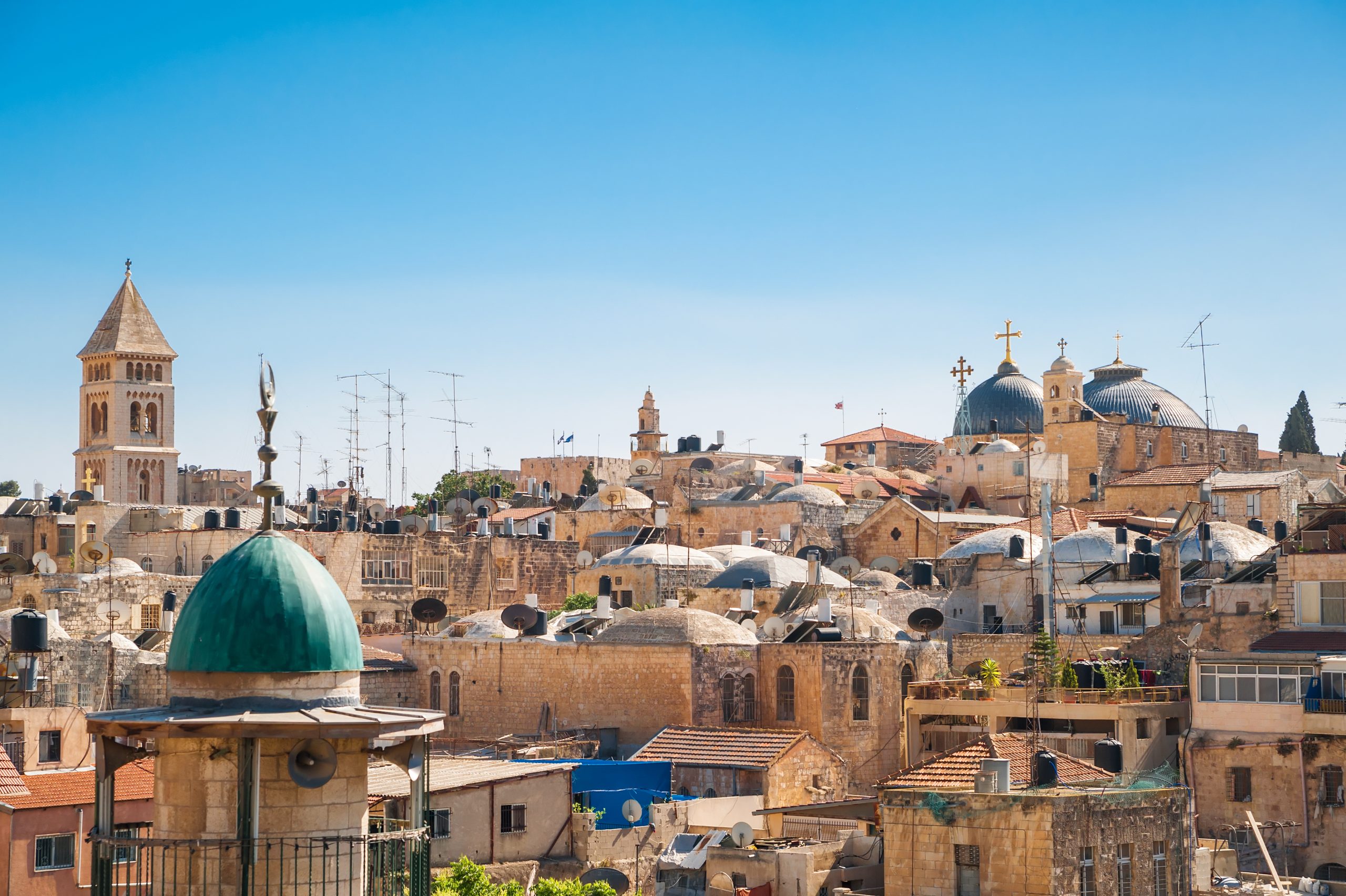
Begin at Mount Scopus, 826 meters above sea level, for breathtaking panoramic views across Jerusalem. From this elevated vantage point, the entire Old City spreads before you like a 3D historical map.
Your guide points out major landmarks visible from here:
The Old City: Ancient walls built by Ottoman Sultan Suleiman the Magnificent in the 16th century, enclosing 0.9 square kilometers of layered history from biblical times through Roman, Byzantine, Crusader, and Ottoman eras.
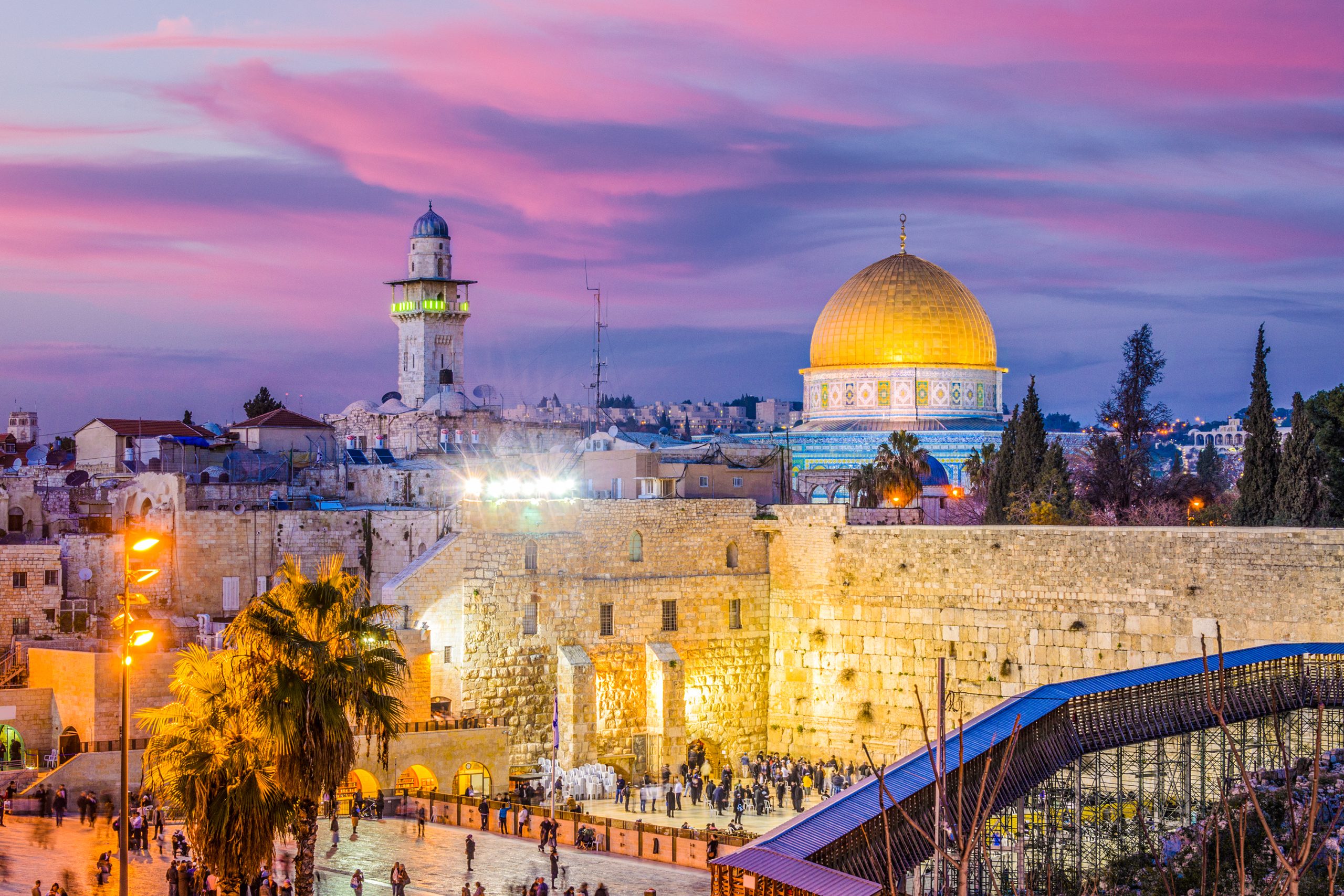
Temple Mount: The golden Dome of the Rock glints in morning sunlight, marking where Abraham bound Isaac and where Muhammad ascended to heaven according to Islamic tradition. The Temple Mount platform is where the First and Second Jewish Temples stood before their destruction.
Mount of Olives: Across the Kidron Valley, the Jewish cemetery cascades down the slope with 150,000 graves. According to Jewish tradition, the resurrection will begin here when the Messiah arrives.
Garden of Gethsemane: Below Mount Scopus, the garden where Jesus prayed before his arrest. The Church of All Nations' golden mosaic facade is visible, built over the rock where Jesus knelt in prayer.
Kidron Valley: The steep valley separating the Old City from the Mount of Olives, mentioned numerous times in both Old and New Testaments.
This orientation helps you understand Jerusalem's geography before entering the dense, complex Old City where streets twist and religious sites layer atop each other.
Descend from Mount Scopus and approach the Old City's southern walls. Enter through Zion Gate, one of eight gates in the Ottoman-era walls. Notice the bullet holes and shrapnel damage from the 1948 Arab-Israeli War still visible in the stone—a reminder of Jerusalem's contested modern history.
The gate leads directly into the Armenian Quarter, one of the Old City's four quarters (Armenian, Jewish, Christian, Muslim). Each quarter has distinct architecture, languages, and religious character despite being packed into less than one square kilometer.
Walk through narrow stone streets toward the Jewish Quarter, rebuilt and restored after 1967. The quarter sits on the highest of the Old City's hills and contains some of Jerusalem's oldest archaeological remains.
Byzantine Cardo:
See the excavated and partially restored Cardo, the main street of Byzantine Jerusalem built 1,500 years ago. The name comes from the Latin word for "heart"—the Cardo was the heart of the Byzantine city.
Walk beneath reconstructed arches where original columns still stand after 15 centuries. Some sections remain below current street level (excavated 6 meters down), while restored portions now house modern jewelry stores and galleries in the same stone structures used by Byzantine merchants.
The Cardo stretched 600 meters from today's Damascus Gate to the Jewish Quarter, lined with shops selling goods from across the Byzantine Empire. Your guide explains how Jerusalem's street level has risen dramatically over centuries as new buildings were constructed atop ruins of previous eras.
Jewish Quarter Highlights:
Descend via stone steps toward the Western Wall plaza, the spiritual heart of Jewish faith and Judaism's holiest prayer site.
The Western Wall (Kotel):
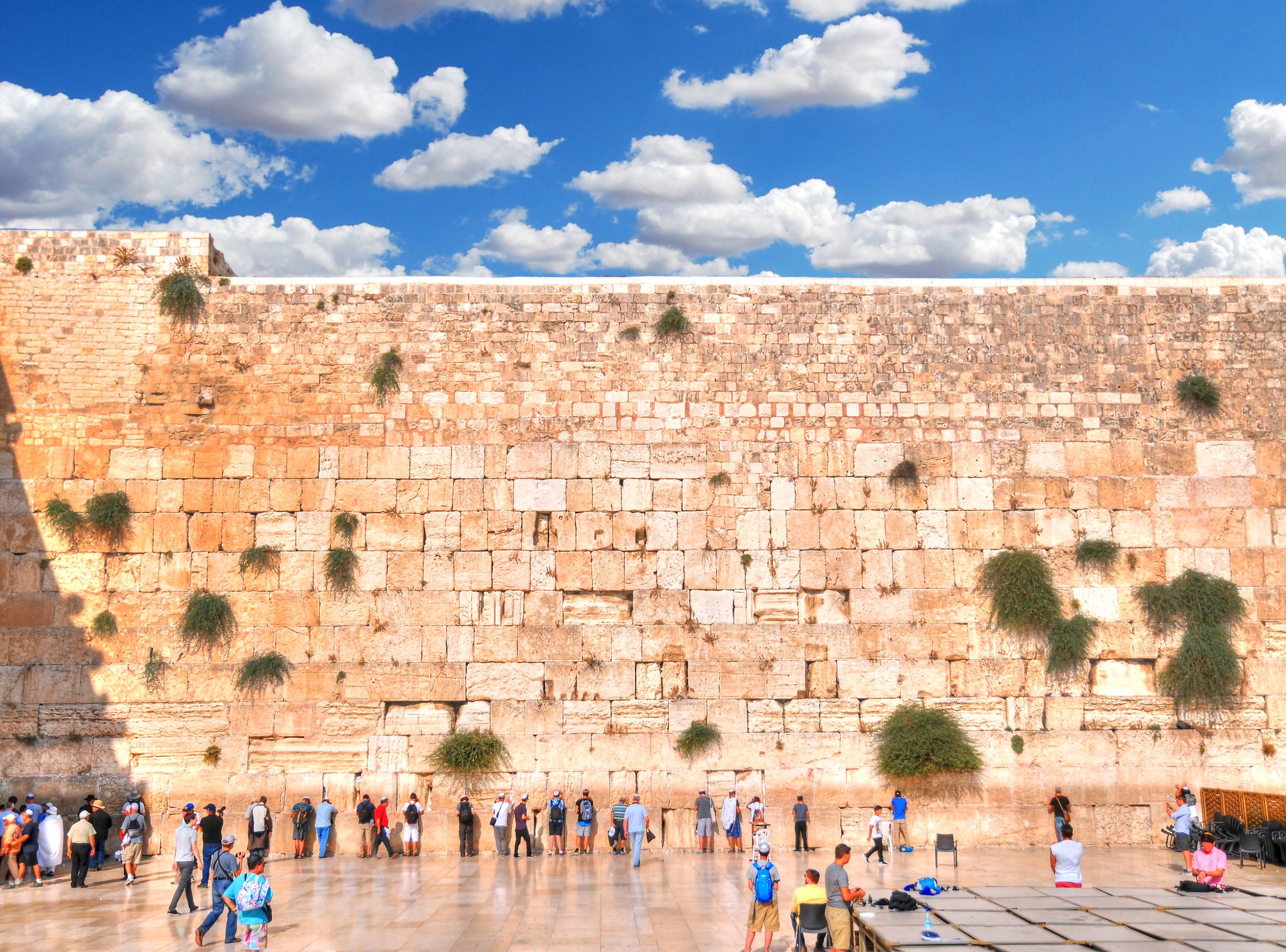
This 62-foot-high limestone wall is a surviving remnant of the retaining wall that supported the Temple Mount platform built by King Herod the Great between 20 BCE and 19 BCE. When Romans destroyed the Second Temple in 70 CE, they left this western support wall standing.
For 2,000 years, Jews have prayed at this wall—the closest accessible point to where the Holy of Holies once stood in the Temple. The massive stones (some weighing 400+ tons) were quarried and transported without modern machinery, demonstrating Roman and Herodian engineering mastery.
Your Experience:
You can approach the wall itself. The plaza is divided: men enter the left section (head covering required; disposable paper kippot provided if needed), women enter the right section.
Touch the ancient stones worn smooth by millions of hands over two millennia. Insert a prayer note (kvittel) into the cracks between stones—millions of handwritten prayers are wedged into these crevices, a tradition dating back centuries.
Watch Jewish worshippers praying, swaying in devotion, and celebrating Bar/Bat Mitzvahs. The atmosphere is both joyful (celebrations) and solemn (mourning the Temple's destruction).
From the plaza, look up to see the Temple Mount platform above, where the Dome of the Rock's golden dome and Al-Aqsa Mosque stand (not accessible to tour groups due to security restrictions and Muslim religious sensitivities).
Your guide waits at a respectful distance in the plaza and reconvenes the group after 20-30 minutes.
Walk from the Jewish Quarter through the Muslim Quarter toward the Via Dolorosa, the traditional route Jesus carried the cross from Pilate's judgment hall to Golgotha (Calvary).
The Via Dolorosa ("Way of Suffering" in Latin) has 14 Stations of the Cross marking events during Jesus's final hours. Your guide stops at key stations:
Station V (Simon of Cyrene Helps Carry the Cross): At the intersection where Via Dolorosa bends upward. Simon, a visitor from North Africa, was compelled by Roman soldiers to help Jesus carry the cross when he could no longer bear it alone. A small Franciscan chapel marks this spot.
Station VII (Jesus Falls the Second Time): A small chapel in the narrow street. The route here climbs steeply toward Golgotha, making it difficult for Jesus weakened by beatings and carrying the heavy wooden cross.
Stations IX-XIV: These final stations are inside the Church of the Holy Sepulchre (covered in next section).
Your guide explains that while the exact historical route may differ based on archaeological evidence, this traditional path has been walked by Christian pilgrims for over 1,000 years. The spiritual significance transcends precise historical accuracy for most believers.
The Via Dolorosa passes through the Muslim Quarter's bustling markets, creating a striking contrast: vendors selling falafel and fresh juice while pilgrims carry wooden crosses and pray at each station.
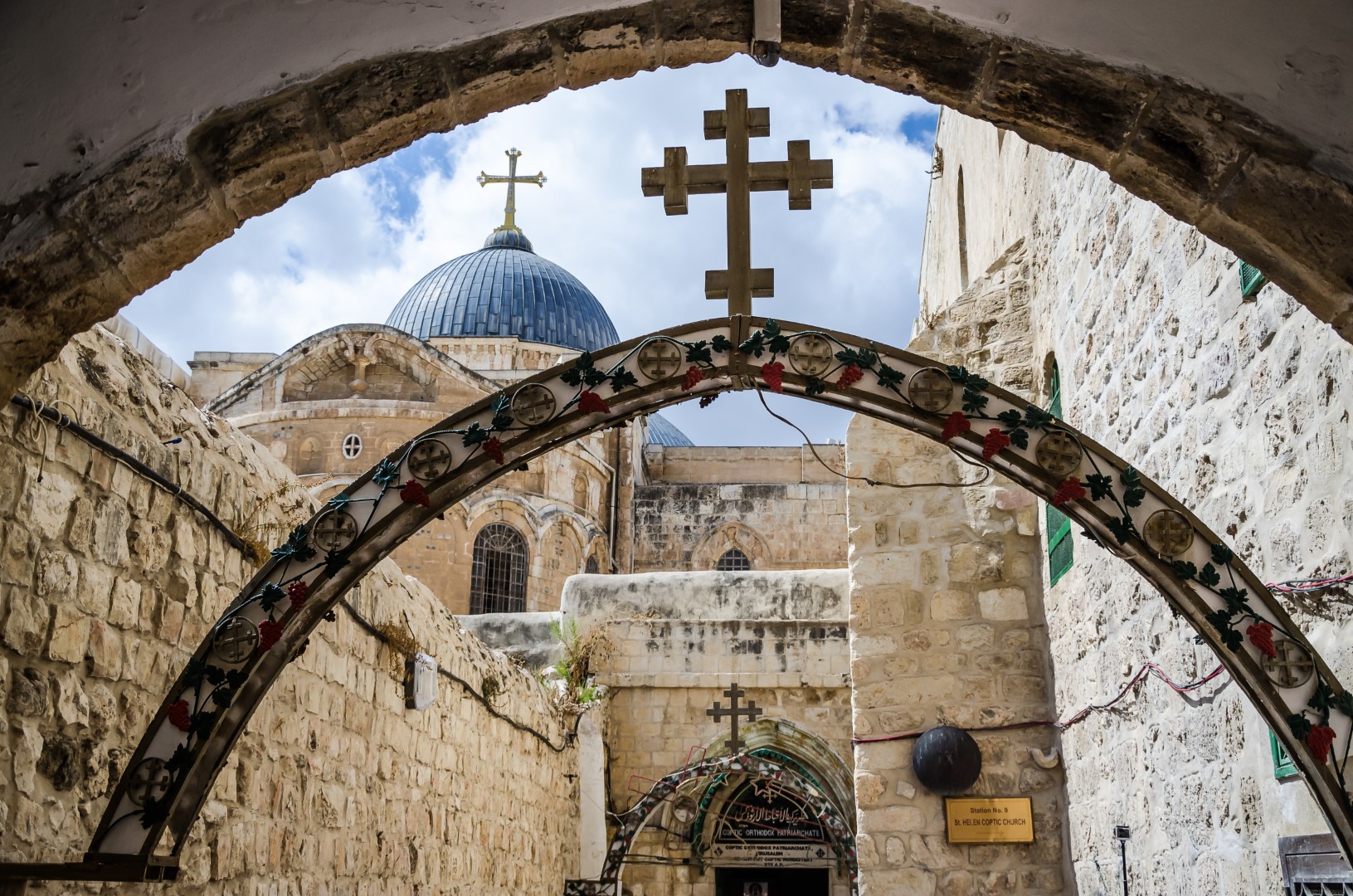
Enter Christianity's most sacred site, built over Golgotha (Calvary) where Jesus was crucified and the tomb where he was buried and resurrected.
Six Christian denominations share control of this church (Greek Orthodox, Roman Catholic, Armenian Apostolic, Coptic Orthodox, Syrian Orthodox, and Ethiopian Orthodox), creating ornate architectural complexity. Each denomination controls specific chapels, altars, and prayer times according to the Status Quo agreement dating to 1852.
The Stone of Anointing:
Immediately inside the entrance, a pink-red limestone slab marks where Joseph of Arimathea and Nicodemus prepared Jesus's body for burial, anointing it with myrrh and aloes. Pilgrims touch, kiss, and rub personal items (rosaries, crosses, cloths) on this stone, believing it retains sacred power.
The stone is surrounded by ornate hanging lamps (eight in total, each belonging to a different denomination), constantly burning according to the Status Quo agreement.
Calvary/Golgotha Chapel (Upstairs):
Climb 18 steep stone steps to reach the crucifixion site. Two altars mark this location:
Greek Orthodox Altar: Sits directly over the rock of Golgotha. The rock is visible through glass panels beneath the altar. You can kneel and reach through a hole under the altar to touch the actual rock where the cross stood—one of Christianity's most powerful physical connections to Jesus's sacrifice.
Catholic Altar (Altar of the Nailing to the Cross): Commemorates where Jesus was nailed to the cross before it was raised. Ornate mosaics depict the crucifixion scene.
The entire area is richly decorated with gold, silver, jewels, icons, and hanging lamps—centuries of devotional offerings creating overwhelming visual splendor.
The Edicule (Jesus's Tomb):
The small chapel-like structure in the center of the church's rotunda marks Jesus's burial tomb. Due to constant visitor volume, there's typically a 30-90 minute queue to enter.
Your guide will assess the queue length:
If you enter the Edicule, you'll see:
If the queue is too long to enter, viewing from outside is still profoundly moving. Your guide describes the interior and the theological significance. Many pilgrims find that experiencing the church's overall sacred atmosphere—incense, chanting monks in multiple languages, flickering candles, hushed prayers—is equally powerful as entering the tomb itself.
The Rotunda:
The soaring dome above the Edicule creates ethereal light filtering through high windows. The current dome was rebuilt after an 1808 fire destroyed the previous structure. The interplay of light, incense smoke, and architectural grandeur creates an otherworldly atmosphere.
Additional Chapels:
Time permitting, your guide may show you:
Pause for lunch (not included in tour price) in the Christian or Muslim Quarter. Your guide recommends authentic local restaurants based on your preferences:
Abu Shukri: Famous for hummus, considered among the best in Jerusalem (25-40 NIS / $7-11)
Christ Church Café: Western-style sandwiches and salads in quieter setting (45-60 NIS / $13-17)
Old City Markets: Quick options include fresh-baked pitas, falafel (20-25 NIS), fresh-squeezed juice (15 NIS), Arabic pastries
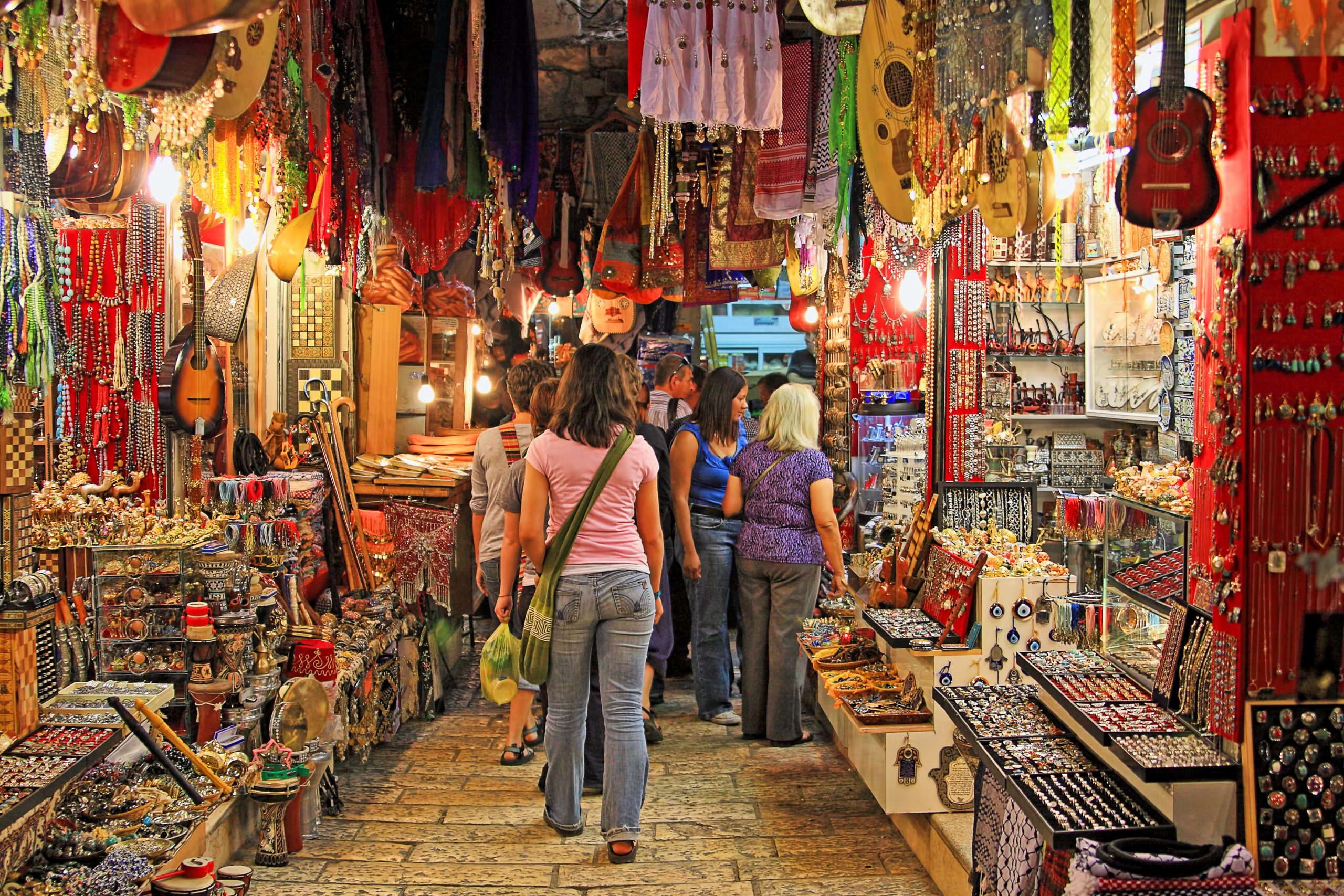
Alternatively, explore the Old City souks (markets) during lunch break: vendors sell carved olive wood nativity sets, Armenian ceramics, spices (za'atar, sumac), Dead Sea cosmetics, and traditional Arabic sweets. Your guide gives you a meeting point and time.
Board the coach and depart Jerusalem, heading east through the Judean Desert toward the Dead Sea. The landscape transforms dramatically from Jerusalem's hills to stark desert within minutes.
As you descend from Jerusalem (800 meters above sea level) to the Dead Sea (430 meters below sea level), you drop over 1,200 meters elevation in just 30 kilometers—one of the world's steepest sustained descents.
En Route Highlights:
"Sea Level" Sign: The tour pauses briefly at the marker indicating you've reached sea level. From here, the road continues descending another 430 meters to reach the Dead Sea shore—Earth's lowest accessible land point.
Judean Desert Views: Beige-pink cliffs, deep canyons (wadis), and dramatic geological formations visible from the highway. Your guide explains the desert's biblical significance: where David hid from King Saul, where John the Baptist preached, where Jesus fasted for 40 days.
Jericho in the Distance: On clear days, you can see Jericho to the north—the world's oldest continuously inhabited city, dating back 11,000 years.
Dead Sea Overview: Your guide explains the Dead Sea's unique characteristics:
Arrive at a private Dead Sea beach facility with full amenities: changing rooms, showers, lockers, freshwater pool, shaded lounging areas, and beach access.
Dead Sea Float (60-90 minutes):
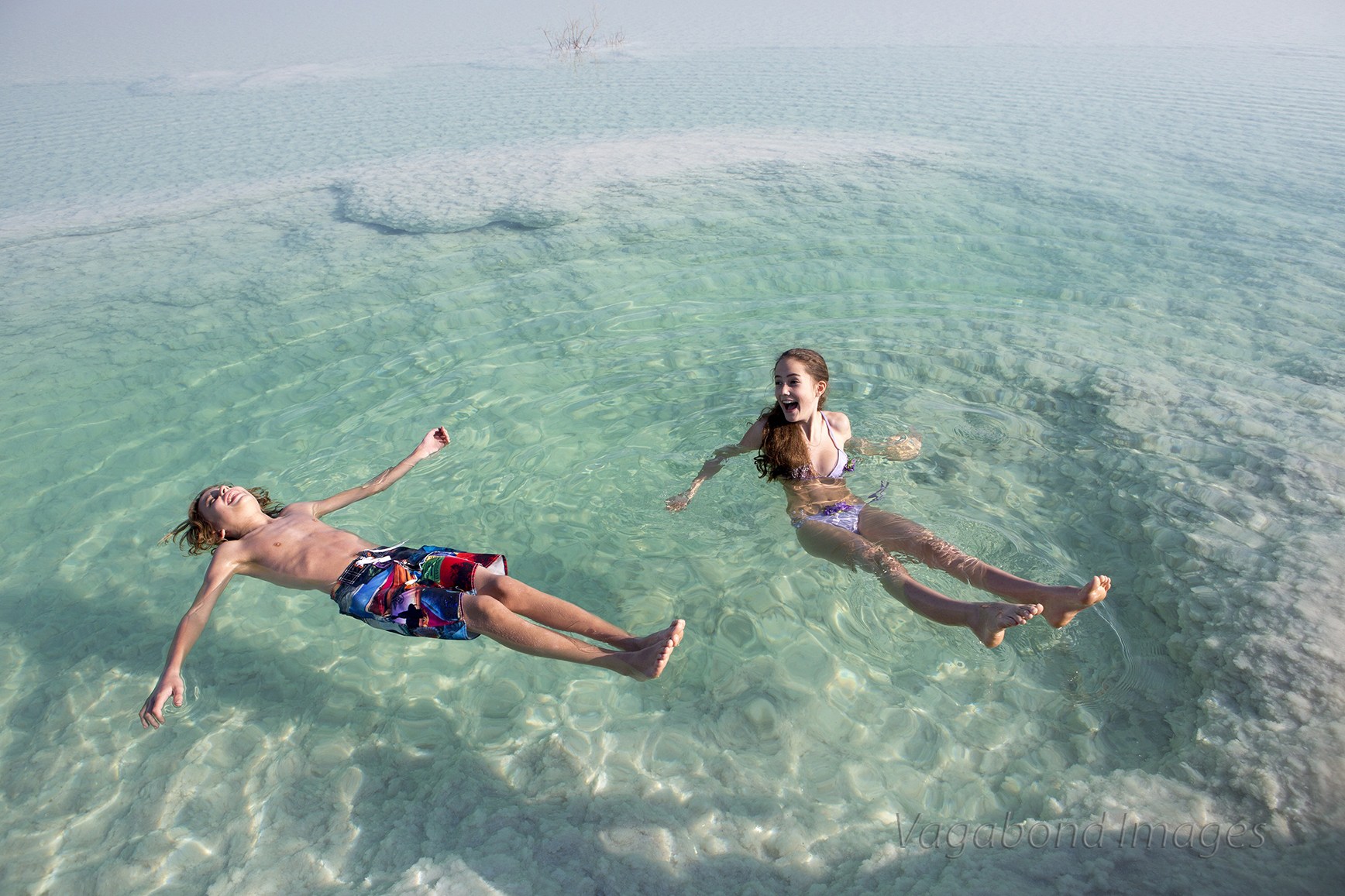
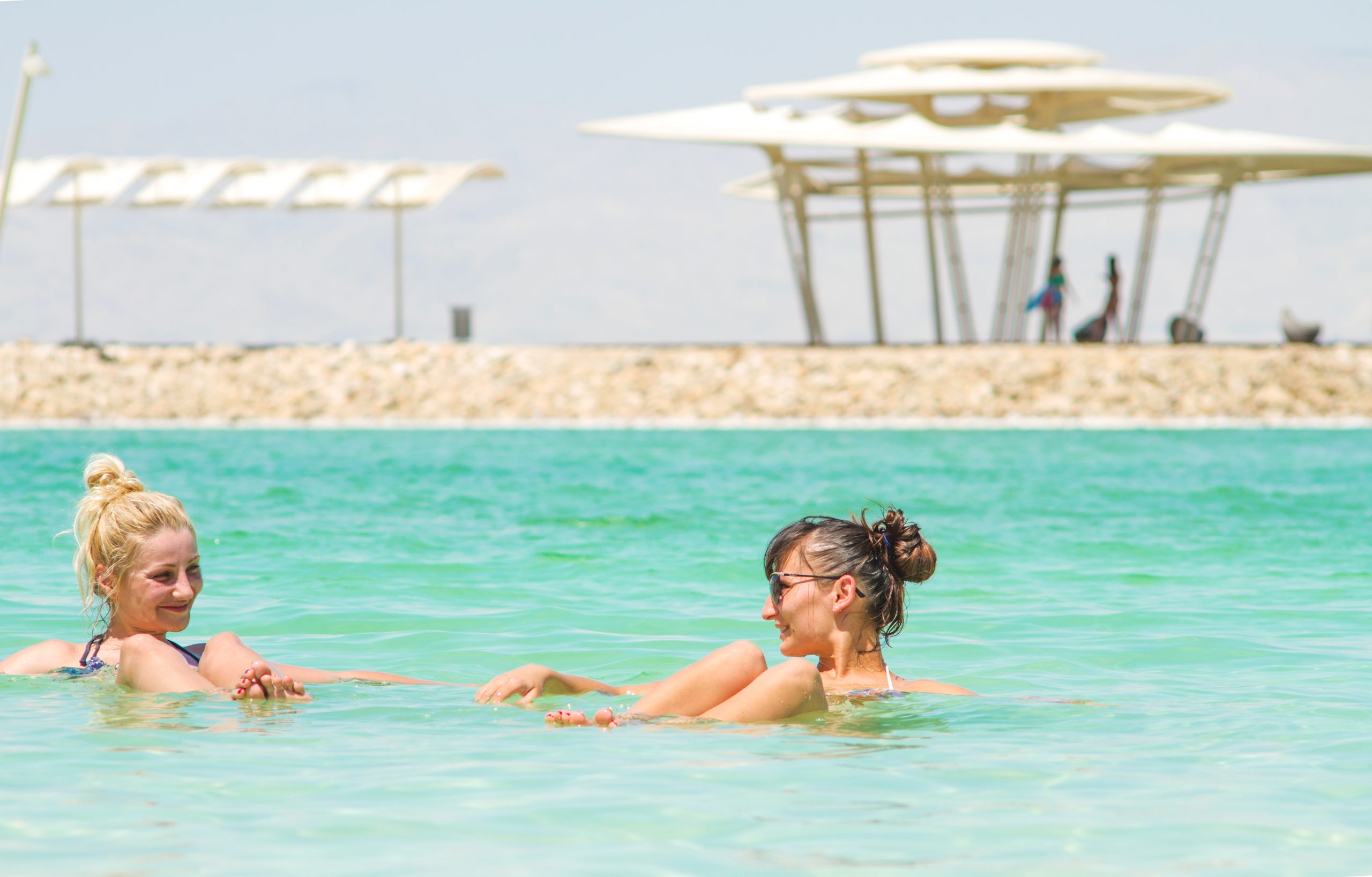
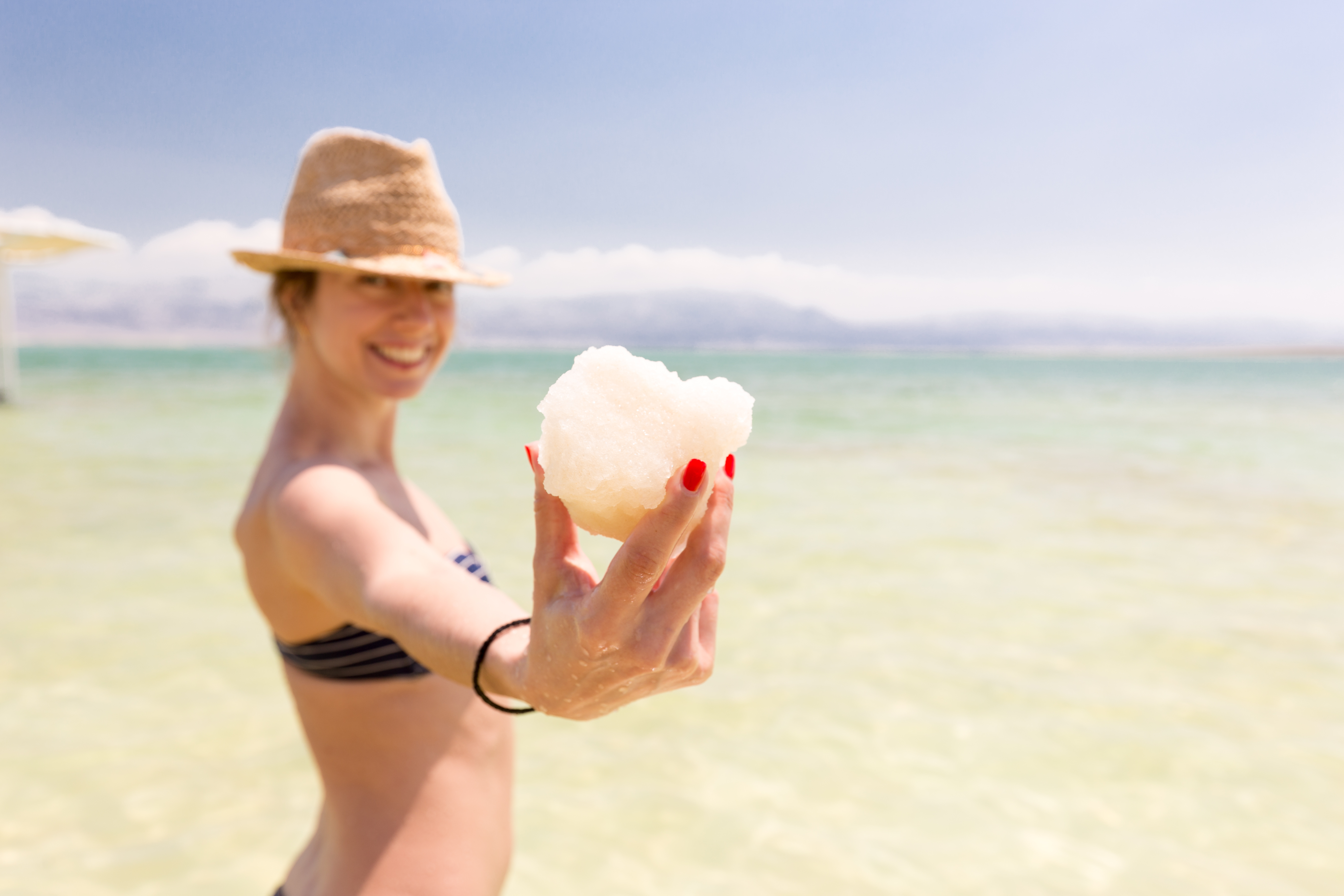
Wade into the Dead Sea's warm water (temperature stays 20-25°C year-round). The extreme 34% salinity creates instant, effortless buoyancy—you literally cannot sink no matter how hard you try.
First-timers are amazed at the sensation: sit back and your body floats horizontally on the surface with zero effort. You can "stand" upright with legs hanging down and your torso stays above water. Many people read newspapers or magazines while floating—the iconic Dead Sea experience captured in thousands of tourist photos.
The water feels thick, oily, and slippery due to high mineral content. It's a strange, otherworldly sensation unlike any other swimming experience.
Critical Safety Guidelines (Your guide explains these carefully):
❌ NEVER put your face underwater – The salt burns eyes, mouth, and nose intensely. If you accidentally get salt water in your eyes, it can take 30+ minutes of continuous freshwater rinsing to stop the burning sensation.
❌ DO NOT shave 24 hours before – Salt stings any cuts or abrasions, even microscopic ones you can't see. Fresh razor burn or waxed skin will be extremely painful.
❌ Enter and exit slowly – Mineral deposits make the shore extremely slippery. People frequently fall while entering or exiting.
❌ Limit float time to 15-20 minutes – Despite being in water, the high mineral content can actually dehydrate your skin. Extended exposure causes skin irritation.
✅ Rinse immediately after floating – Salt crystallizes on skin if left to dry, causing irritation and discomfort.
✅ Bring old water shoes or sandals – The shore has sharp mineral crystal formations that can cut feet.
Dead Sea Mud Treatment:
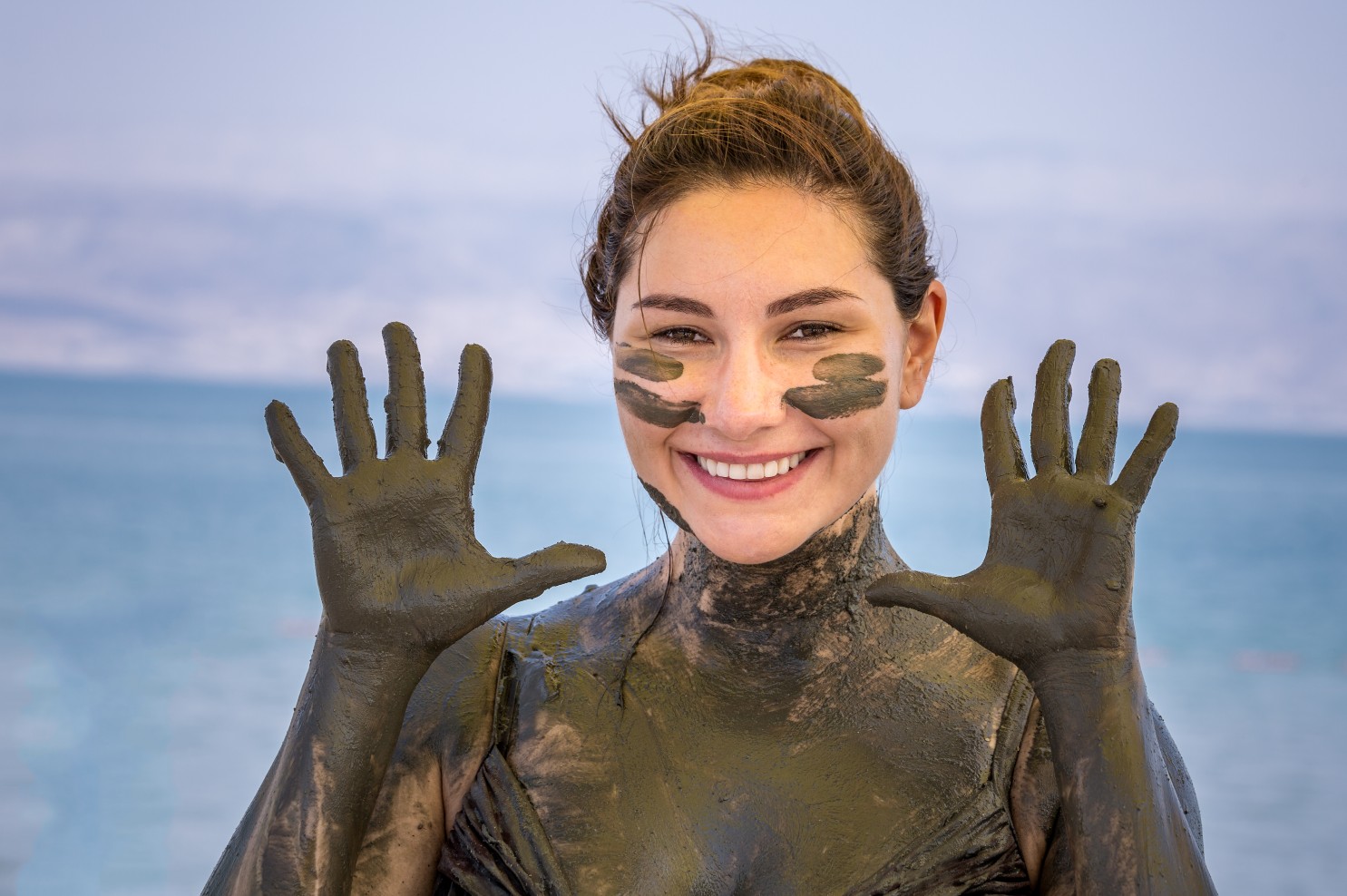
Natural black Dead Sea mud, rich in 26 minerals (magnesium, calcium, potassium, bromine, iodine, and sulfur), is available at the beach (sometimes included in facility fee, sometimes for purchase 20-30 NIS).
Cover your body with the smooth, cool mud and let it dry in the desert sun for 10-15 minutes. As the mud dries, you feel your skin tightening. Rinse thoroughly in the Dead Sea or showers.
Dead Sea mud is renowned for:
Many people visit the Dead Sea specifically for these therapeutic benefits. Medical tourism for skin and joint conditions has been documented here for thousands of years.
Freshwater Pool & Relaxation:
After rinsing off salt and mud, relax in the facility's freshwater swimming pool or lounge on sunbeds under palm-frond shade structures. The stark desert beauty surrounding you—turquoise Dead Sea waters contrasting with beige mountains—creates surreal, peaceful atmosphere.
The facility typically has a small café selling cold drinks, snacks, and ice cream (not included in tour price; budget 20-40 NIS).
Photography Opportunities:
The Dead Sea offers Instagram-worthy photo opportunities:
Board the coach for return journey to Tel Aviv (90 minutes) or Jerusalem (60 minutes). Your guide answers final questions and provides recommendations for the rest of your Israel trip.
Consider combining this tour with our Caesarea Haifa Acre Rosh Hanikra tour or Galilee and Nazareth tour for a comprehensive 2-3 day Israel experience.
Arrive back at Tel Aviv hotels between 19:00-19:30 (evening rush hour may extend to 19:45). Jerusalem guests arrive approximately 18:45-19:00.
Download this tour's PDF brochure and start your planning offline.
Jerusalem Old City: Approximately 3.5 hours total
Dead Sea: 2.5 hours for floating, mud treatment, showers, and relaxation
Driving time: 2.5 hours total (Tel Aviv to Jerusalem 60 min + Jerusalem to Dead Sea 60 min + Dead Sea to Tel Aviv 90 min for return)
You spend 61% of the tour actively experiencing sites (5 hours) versus driving (2.5 hours). The remaining time is lunch break and brief bathroom/photo stops.
If you want more time in Jerusalem without the Dead Sea portion, consider our dedicated Jerusalem and Bethlehem full-day tour which allocates 6+ hours to Old City exploration plus Bethlehem's Church of Nativity.
You literally, physically cannot sink in the Dead Sea. This is not exaggeration—it's physics. The 34% salinity (342 grams of salt per liter) creates such extreme density that human bodies are far less dense by comparison and float instantly.
First-time visitors are universally amazed at the sensation. You can:
The water feels thick and oily due to mineral content (magnesium chloride, calcium chloride, potassium chloride). Swimming strokes are difficult because your legs keep popping up to the surface.
The experience is 100% real, unique, and impossible to replicate anywhere else on Earth. The Dead Sea is the world's saltiest major body of water—the only comparable salinity is in small lakes like Don Juan Pond in Antarctica (which is frozen and inaccessible).
However, heed all safety warnings: Never put your face underwater (salt burns intensely), limit float time to 15-20 minutes, and rinse immediately after.
The Holy Edicule (tomb chapel) is extremely small—only 4-5 people fit inside at a time, each group gets 30-60 seconds maximum. During peak season (Easter week, Christmas, summer), queues regularly exceed 60-90 minutes.
Your guide will assess the queue length when you arrive:
Important perspective: Many Christian pilgrims and clergy believe that viewing the Edicule from outside while your guide explains its significance is equally spiritually meaningful as entering. The entire Church of the Holy Sepulchre is sacred ground—the Stone of Anointing, Calvary Chapel (where you CAN touch the rock of Golgotha), and the Rotunda's soaring atmosphere create profound spiritual experience regardless of whether you physically enter the burial chamber.
If entering the tomb is absolutely essential to your pilgrimage, consider booking a private Jerusalem tour where you control timing and can allocate 2+ hours to wait in the queue if necessary.
Yes, absolutely. Security guards at both the Western Wall and Church of Holy Sepulchre will deny entry if you're dressed immodestly. This is non-negotiable and enforced year-round regardless of heat.
Requirements:
Since this tour includes both Jerusalem holy sites and Dead Sea beach, bring:
The Dead Sea facility has changing rooms, so you can change into swimsuit there, then cover up modestly again before returning to bus.
Don't risk being denied entry. Dress modestly or bring cover-up clothing. Jerusalem is conservative regarding holy sites, and guards strictly enforce these rules out of respect for religious traditions.
This tour focuses on maximizing time in Jerusalem's Old City (3.5 hours) plus Dead Sea relaxation (2.5 hours), without the early morning start required for Masada sunrise visits.
This tour (Jerusalem + Dead Sea only):
Tours that include Masada:
Recommendation: If you're interested in both experiences, consider booking them on separate days:
This gives you adequate time at each location without feeling rushed. For travelers with limited days, the combined Masada + Jerusalem + Dead Sea tours exist but are extremely long (12-13 hours) and provide less time at each site.
Yes, all tour sites are within Israeli-controlled territory. No special permits needed. Pricing identical for all participants regardless of nationality.
The Dead Sea shore visited on this tour is in Area C of the West Bank, under full Israeli civil and security control, accessible to all Israeli citizens.
If you're combining tours and planning our Jerusalem and Bethlehem tour, note that Israeli citizens generally cannot enter Bethlehem (Palestinian Authority Area A) under Israeli law. We accommodate Israeli passport holders for the Jerusalem portion only with adjusted pricing.
All other BookingRadar tours—including this one, Caesarea Haifa Acre, and Galilee Nazareth—are fully accessible to Israeli citizens.
This tour operates year-round with good weather most months. Each season offers advantages:
Spring (March-May): Ideal weather (18-28°C / 64-82°F), comfortable for Jerusalem walking and Dead Sea floating. Wildflowers bloom in Judean Desert after winter rains. Peak tourist season means higher prices and larger crowds at Church of Holy Sepulchre.
Summer (June-August): Hot (30-40°C / 86-104°F) but Dead Sea provides cooling relief. Jerusalem's Old City can feel stuffy in heat. Bring extra water and sun protection. Lower crowds at some sites as many tourists avoid peak heat. Slightly lower prices than spring.
Fall (September-November): Perfect weather returns (22-30°C / 72-86°F). Post-Jewish-holiday period (after Sukkot in October) offers good value. Comfortable for all activities. Dead Sea water stays warm (20-25°C year-round).
Winter (December-February): Mild Jerusalem weather (10-18°C / 50-64°F), occasional rain possible. Dead Sea water remains warm and swimmable. Fewer tourists mean shorter queues everywhere, best prices of the year (15-20% lower than peak season). Bring light jacket for Jerusalem.
Avoid if possible: Yom Kippur (tour doesn't operate), Easter week at Church of Holy Sepulchre (extremely crowded with pilgrims), Passover and Sukkot weeks (high prices, large crowds).
Best value: January-February and November (low season, good weather, fewer crowds, lowest prices).
Yes, clean restroom facilities available at every major stop:
Mount Scopus: Public bathrooms at the viewpoint area
Western Wall Plaza: Modern public restrooms near the plaza entrance (separate male/female facilities)
Church of Holy Sepulchre: Public restrooms at entrance area before entering church
Old City: Additional public restrooms scattered throughout, your guide points these out
Dead Sea Beach Facility: Full changing rooms with showers, toilets, and lockers
Your guide schedules appropriate bathroom breaks throughout the day. The tour coach has no onboard bathroom, but with stops every 60-90 minutes, this creates no issues for most travelers.
Important: Use restrooms before entering the Church of Holy Sepulchre, as there are no facilities inside the church building itself.
The tour operates in all normal weather conditions including light rain. Jerusalem and the Dead Sea rarely experience heavy rain (Israel's rainy season is November-March, but rainfall is sporadic).
Light rain protocols:
Heavy rain or storms (rare):
Tours very rarely cancel entirely. Israel's climate is Mediterranean with 300+ sunny days annually. Winter rain is typically brief showers, not all-day downpours.
Summer: Zero rain, tour operates normally every day with brilliant sunshine.
Absolutely. Most travelers create comprehensive 3-4 day Israel itineraries:
Day 1: Jerusalem and Dead Sea This tour – Focus on Old City holy sites plus Dead Sea natural wonder
Day 2: Jerusalem and Bethlehem Jerusalem and Bethlehem tour – Deeper Jerusalem immersion plus Church of Nativity where Jesus was born. Provides more comprehensive coverage of Christian holy sites across two days.
Day 3: Mediterranean Coast Caesarea Haifa Acre Rosh Hanikra tour – Roman ruins, Crusader fortresses, Bahai Gardens, sea caves. Perfect counterpoint to religious/desert focus of Days 1-2.
Day 4 (Optional): Galilee Region Galilee and Nazareth tour – Nazareth, Sea of Galilee, Capernaum, Mount of Beatitudes. Essential for Christian pilgrims completing comprehensive Holy Land journey.
Multi-Day Package Discounts:
Booking Process:
Step 1: Click "Book Now" or "Check Availability" at top of this page
Step 2: Select preferred date from calendar
Step 3: Choose number of adults, children, and pickup location (Tel Aviv, Jerusalem, or Herzliya)
Step 4: Select tour language (English, Spanish, French, or German)
Step 5: Enter passenger details and contact information
Step 6: Complete secure payment
Step 7: Receive instant confirmation email with booking reference, voucher, and pickup details
Payment Methods Accepted:
Minimum Participants: 4 adults required to operate tour. If minimum not met, we offer alternative date or full refund.
Pickup Times:
What to Bring:
Dress Code:
Physical Requirements:
Age Restrictions:
Health & Safety:
Language Options:
Request preferred language at booking. Subject to guide availability.
Cancellation Policy:
Tour Does NOT Operate:
Modified Operation:
Group Size: Maximum 45 people per coach. Small group option (up to 19 people) available for premium pricing.
From 123.00 $
Looking for more info? Send a question to the tour agent to find out more.
Travel is my life. Since 1999, I have been traveling around the world nonstop. If you also love travel, you are in the right place!