
The Old City Jerusalem packs four thousand years of history into less than half a square mile, ringed by Ottoman walls and divided into four quarters that have shaped world religion. Within these gates sit the holiest sites of Judaism, Christianity, and Islam, the Western Wall, the Church of the Holy Sepulchre, and the Dome of the Rock, all a few minutes walk apart through a maze of stone streets and markets. This guide to Old City Jerusalem covers the four quarters, the major sites, and exactly how to visit.
★ Add Booking-Tours as a preferred source on Google

What is Old City Jerusalem?
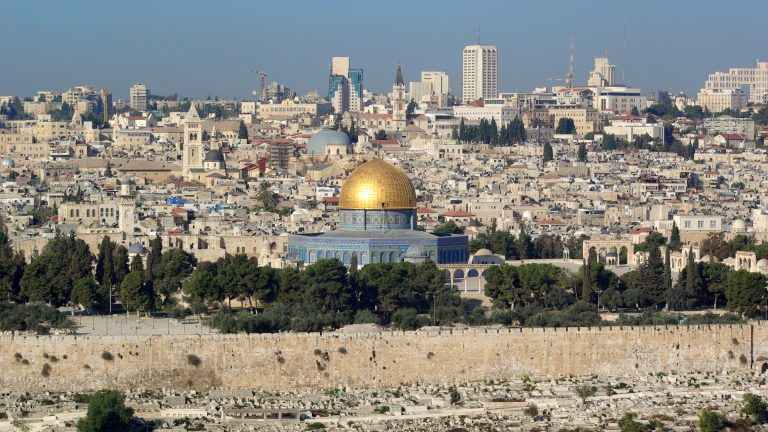
Old City Jerusalem is the walled historic core of the city, enclosed by walls built by the Ottoman Sultan Suleiman the Magnificent in the sixteenth century. It covers about 0.35 square miles and is a UNESCO World Heritage Site. Inside, it is divided into four quarters, the Jewish, Christian, Muslim, and Armenian Quarters, each with its own character, and entered through a series of historic gates including the Jaffa Gate, the Damascus Gate, and the Lions Gate.
For all its small size, the Old City holds sites central to three world religions, layered on top of each other across centuries of building, destruction, and rebuilding. Walking it is less about ticking off monuments and more about moving through living streets where pilgrims, residents, and traders have crossed paths for thousands of years.
Why Old City Jerusalem matters
Few places on earth carry the religious weight of the Old City. It holds the Western Wall, the holiest site where Jews can pray; the Church of the Holy Sepulchre, built over the place of the crucifixion and tomb of Jesus; and the Dome of the Rock and Al Aqsa Mosque on the Temple Mount, among the holiest sites in Islam. To walk from one to another in minutes is to stand at the meeting point of Judaism, Christianity, and Islam.
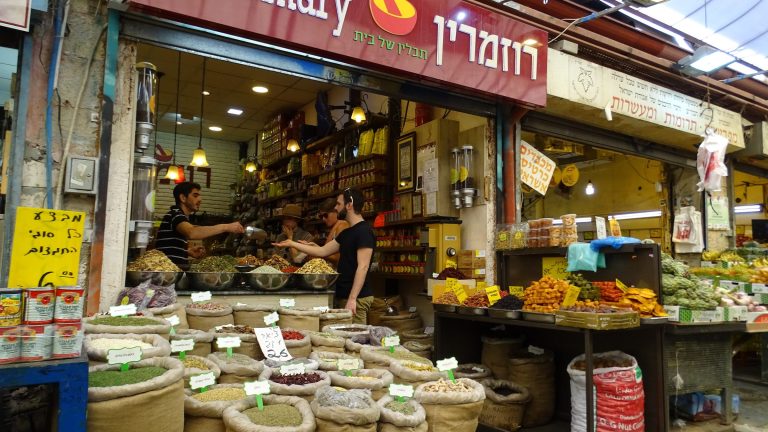
Beyond the religion, Old City Jerusalem is an extraordinary living museum. Its markets still trade as they have for centuries, its stones bear the marks of Romans, Crusaders, and Ottomans, and its rooftops give views across a cityscape unlike anywhere else. For the wider background, the UNESCO listing for the Old City of Jerusalem sets out why it is recognized as a site of outstanding universal value.
The four quarters of Old City Jerusalem
The Jewish Quarter and the Western Wall
The Jewish Quarter, in the southeast, was rebuilt after 1967 and is the quietest and most modern feeling of the four. Its heart is the Western Wall, the surviving retaining wall of the Second Temple and the holiest place of Jewish prayer, where visitors of all faiths can approach the stones. The quarter also holds the Cardo, a restored Roman street, and sweeping viewpoints over the Temple Mount.
The Christian Quarter and the Holy Sepulchre

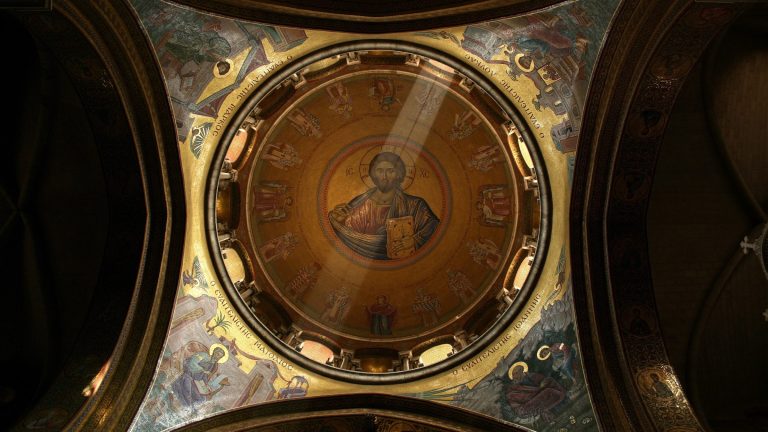
The Christian Quarter, in the northwest, centers on the Church of the Holy Sepulchre, built over Calvary and the tomb of Jesus and shared by six Christian denominations. The quarter is threaded by the final stretch of the Via Dolorosa, the route Jesus walked to the cross, and packed with churches, hospices, and souvenir markets serving pilgrims.
The Muslim Quarter and the Temple Mount
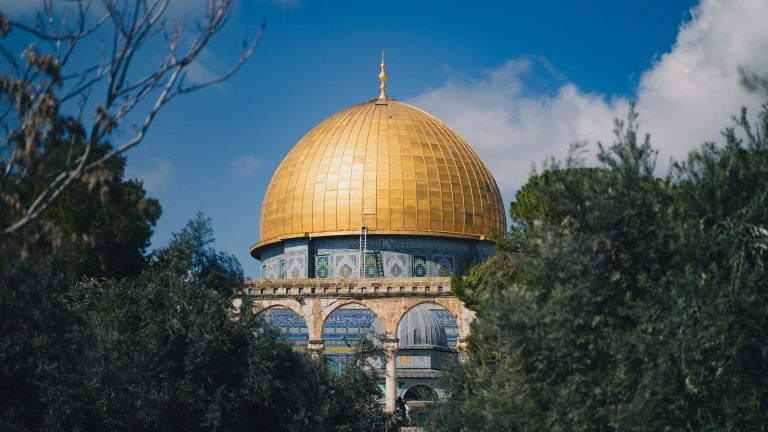
The Muslim Quarter is the largest and busiest, a dense warren of markets and homes in the northeast. It leads to the Temple Mount, known to Muslims as the Haram al Sharif, where the golden Dome of the Rock and the Al Aqsa Mosque stand. The Dome of the Rock, with its glittering gold cap, is the most photographed building in Old City Jerusalem, though non Muslims have limited visiting hours and cannot enter the mosques.
The Armenian Quarter
The Armenian Quarter, in the southwest, is the smallest and most private of the four, home to one of the oldest Armenian communities in the world. Behind its walls sit the Cathedral of St James and quiet courtyards. The Zion Gate at its edge leads out to Mount Zion and the room of the Last Supper.
How to visit Old City Jerusalem
The Old City sits about an hour from Tel Aviv by road. Most visitors enter through the Jaffa Gate on the western side, which leads quickly to the Christian and Armenian Quarters, or the Damascus Gate to the north for the Muslim Quarter markets. The whole walled area is compact and walkable, but the streets are a genuine maze, often crowded, and the major sites have their own opening hours and dress codes, so a plan helps.
A guided tour turns the maze into a clear route and brings the layered history alive. Our Jerusalem full day tour walks the four quarters and the major sites, including the Western Wall, the Holy Sepulchre, and the Via Dolorosa, while the Christian Jerusalem tour focuses on the sites of Jesus's final days. To see how Old City Jerusalem fits with the Mount of Olives and the wider city, read our things to do in Jerusalem guide.
Visiting tips
Dress modestly, with shoulders and knees covered, since the Old City is full of active religious sites with strict codes, especially at the Western Wall and the Temple Mount. Start early in the morning to walk the streets before the crowds and heat build, and to catch the Temple Mount within its limited visiting hours for non Muslims. Wear sturdy shoes for the uneven, often slippery stone, carry water, and keep an eye on your belongings in the busy markets. Allow a full day to do the four quarters and the major sites justice.
Tours that include Old City Jerusalem
Live prices and dates, hotel pickup on most tours, and a local team in Eilat that answers on WhatsApp.
 Temple Mount Tour: Dome of the Rock in JerusalemFrom $89View tour
 City of David Tour JerusalemFrom $89View tour
 Christian Jerusalem Tour: In the Footsteps of JesusFrom $89View tour
 Jerusalem and Dead Sea Tour: Ancient History Meets Natural WonderFrom $106View tour
 Jerusalem Highlights TourFrom $75View tour
 Jerusalem and Bethlehem TourFrom $106View tour
Frequently asked questions about Old City Jerusalem
What are the four quarters of Old City Jerusalem?
Old City Jerusalem is divided into the Jewish, Christian, Muslim, and Armenian Quarters. The Jewish Quarter holds the Western Wall, the Christian Quarter the Church of the Holy Sepulchre, the Muslim Quarter leads to the Temple Mount and Dome of the Rock, and the Armenian Quarter is the smallest and most private.
How big is Old City Jerusalem?
The walled Old City covers only about 0.35 square miles, less than half a square mile. Despite its small size it holds the holiest sites of three world religions, all within a few minutes walk of each other through its maze of stone streets.
How long do you need in Old City Jerusalem?
Allow a full day to see the four quarters and the major sites without rushing. A typical route covers the Western Wall, the Temple Mount viewpoints, the Via Dolorosa, and the Church of the Holy Sepulchre, with time for the markets in between. A guided day tour fits these together comfortably.
Which gate should I use to enter the Old City?
The Jaffa Gate on the western side is the most common entrance and leads to the Christian and Armenian Quarters. The Damascus Gate to the north opens into the busy Muslim Quarter markets, and the Lions Gate to the east is the start of the Via Dolorosa. All connect within the walls.
Can you visit the Temple Mount in the Old City?
Yes, but with limits. Non Muslims can visit the Temple Mount only during set hours, usually in the morning, and cannot enter the Dome of the Rock or the Al Aqsa Mosque. Modest dress is required, and entry is through a single designated gate near the Western Wall.
Is Old City Jerusalem safe to visit?
Old City Jerusalem is visited by large numbers of tourists and pilgrims year round and is generally straightforward to explore, especially on a guided tour. As in any busy market area, keep an eye on your belongings, dress respectfully at religious sites, and check current local advice before you travel.
Can I see all the main sites of the Old City in one day?
Yes. The Old City is compact enough that a single full day tour can cover the Western Wall, the Temple Mount viewpoints, the Via Dolorosa, and the Church of the Holy Sepulchre, walking between the quarters. A guide keeps you on route through the maze of streets and manages the different opening hours.
Keep planning
More travel guides for this trip
 JerusalemCity of David 2027: A Local Guide to Hezekiah’s Tunnel, the Pool of Siloam, Tickets and What to WearRead the guide →
 JerusalemChristian Quarter Jerusalem 2027: A Local Guide to the Holy Sepulchre, the Last Stations of the Cross, Muristan and the Redeemer TowerRead the guide →
 JerusalemShopping in Jerusalem 2027: A Local Guide to Mahane Yehuda, the Old City Souk, Mamilla and the Best SouvenirsRead the guide →
Plan your visit
Old City Jerusalem gathers the holiest sites of three faiths into a single walled half mile, layered with four thousand years of history. Browse all our Israel tours, read our full things to do in Jerusalem guide, or head back to the travel guide hub for more itineraries and tips. Questions before you book? Message us on WhatsApp at 08-6338361 or email [email protected] and a real person from our Eilat office will answer.
Explore the Jerusalem Old City guide series
Each guide below goes deeper on one site, with opening hours, tickets, how to get there and the tours that include it.
 JerusalemWestern Wall, Jerusalem: The Complete Visitor GuideA complete guide to the Western Wall (the Kotel) in Jerusalem: the holiest prayer site in Judaism, the prayer notes...Read the guide →
 JerusalemChurch of the Holy Sepulchre: The Complete Visitor GuideA complete guide to the Church of the Holy Sepulchre in Jerusalem: the holiest church in Christianity, the Tomb of...Read the guide →
 JerusalemVia Dolorosa, Jerusalem: A Complete Visitor GuideA complete guide to the Via Dolorosa in Jerusalem: the Way of Sorrows, the fourteen Stations of the Cross, the...Read the guide →
 JerusalemTemple Mount, Jerusalem: The Complete Visitor GuideA complete guide to the Temple Mount in Jerusalem: the holiest site in Judaism, home to the Dome of the...Read the guide →
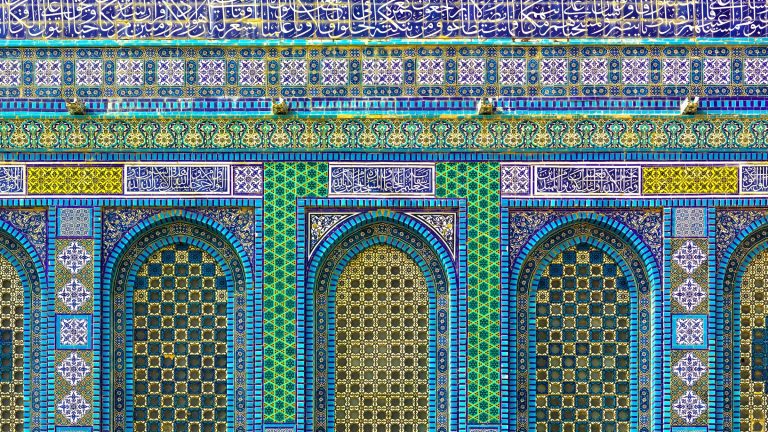 JerusalemDome of the Rock, Jerusalem: How Non-Muslims Can Visit the Temple Mount, Entry Rules and Local TipsNon-Muslims can see the Dome of the Rock up close from the Temple Mount plaza, but they cannot go inside....Read the guide →
 JerusalemMount Zion, Jerusalem: A Complete Visitor GuideA complete guide to Mount Zion in Jerusalem: the Cenacle of the Last Supper, the Dormition Abbey, the Tomb of...Read the guide →
 JerusalemMount of Olives, Jerusalem: The Complete Visitor GuideA complete guide to the Mount of Olives in Jerusalem: the famous Old City viewpoint, the Church of Mary Magdalene,...Read the guide →
 JerusalemGarden of Gethsemane, Jerusalem: A Complete Visitor GuideA complete guide to the Garden of Gethsemane in Jerusalem: the ancient olive trees, the Church of All Nations, the...Read the guide →
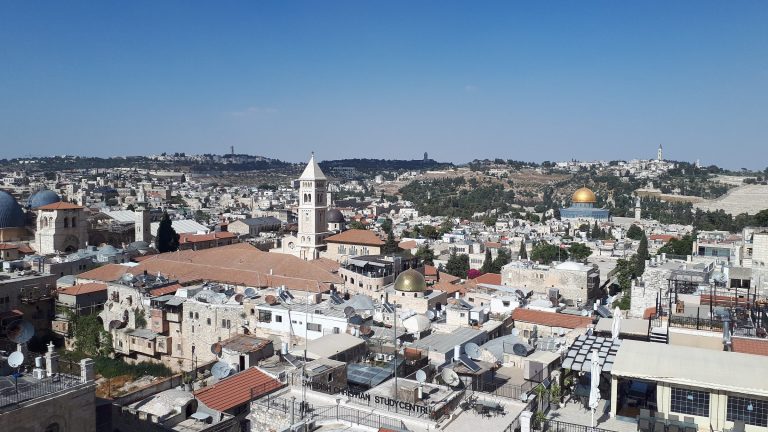 JerusalemChristian Jerusalem: A Complete Guide to the Holy SitesA complete guide to Christian Jerusalem: the Church of the Holy Sepulchre, the Via Dolorosa, the Mount of Olives, Gethsemane,...Read the guide →
 JerusalemThings to Do in Jerusalem: The Complete 2027 GuideThe complete 2026 guide to the best things to do in Jerusalem: the Old City and its four quarters, the...Read the guide →
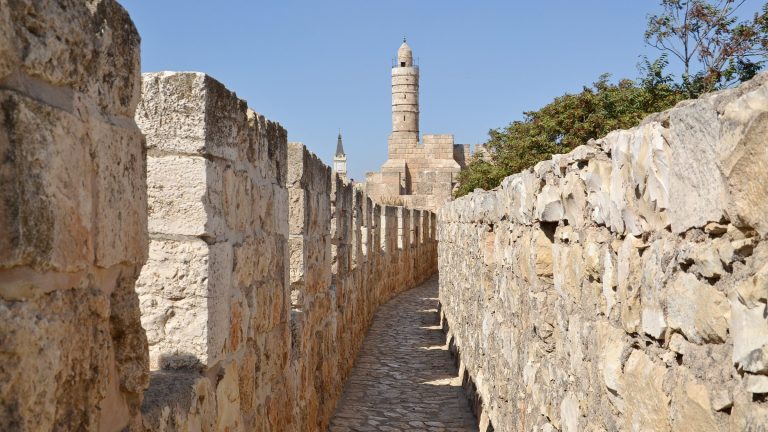 JerusalemTower of David 2027: A Local Guide to the Citadel Museum, Ramparts and Night Show in JerusalemThe Tower of David is the Citadel at Jaffa Gate, home to Jerusalem's history museum, some of the best views...Read the guide →
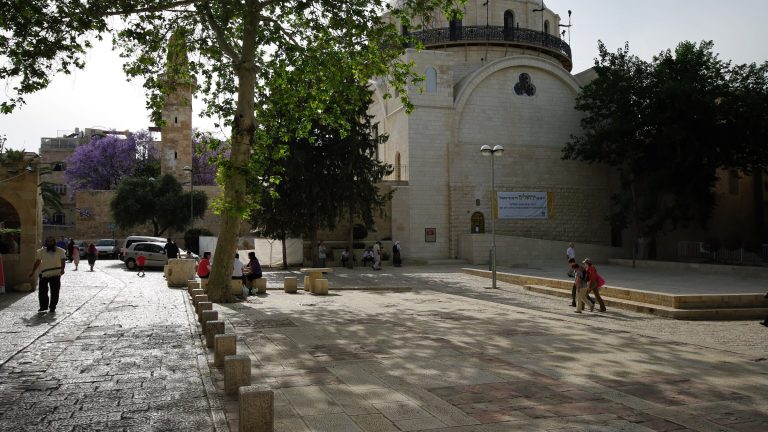 JerusalemJewish Quarter Jerusalem 2027: A Local Guide to the Hurva Synagogue, the Cardo, the Burnt House and the Western WallWalk the Jewish Quarter of Jerusalem with local guides. This guide covers the Hurva Synagogue, the Cardo, the Burnt House,...Read the guide →JerusalemChristian Quarter Jerusalem 2027: A Local Guide to the Holy Sepulchre, the Last Stations of the Cross, Muristan and the Redeemer TowerOur local guides walk the Christian Quarter every week. This guide explains what to see, from the Church of the...Read the guide →JerusalemCity of David 2027: A Local Guide to Hezekiah’s Tunnel, the Pool of Siloam, Tickets and What to WearThe City of David is the oldest part of Jerusalem, just outside the Old City walls. Here is how to...Read the guide →