
Caesarea, Haifa, Acre Rosh Hanikra Tour: Mediterranean Coast in One Day

- 11 Hours
Adult
Child
Infant
Tour Overview
Discover Israel’s spectacular Mediterranean coastline in one unforgettable day. This Caesarea Haifa Acre tour takes you through 2,000 years of history across four iconic sites: explore King Herod’s Roman amphitheater and aqueduct at Caesarea National Park, ride the cable car through Haifa’s 19 terraced Bahai Gardens (a UNESCO World Heritage Site), walk underground Crusader tunnels in Old Acre’s fortress city, and descend into Rosh Hanikra’s illuminated sea caves at the Lebanese border.
With hotel pickup from Tel Aviv or Jerusalem, licensed expert guide, air-conditioned transport, and all entrance fees included, you’ll experience ancient Roman engineering, medieval Crusader battles, and natural wonders carved by millennia of Mediterranean waves. No navigation stress, no ticket lines, just history brought to life against the backdrop of Israel’s stunning coastline.
Available every day with guaranteed departures. This is Israel’s most comprehensive coastal day tour for travelers who want maximum sites and scenery in a single journey.
Duration
11 Hours
Tour Type
Day Tours in Israel
Language
English, Spanish, French, German
Popular Features
- Certified Tour Guide
- Family Friendly
- Instant Confirmation

Highlights
- Explore Caesarea's 2,000-year-old Roman amphitheater and iconic aqueduct along the beach
- Ride the cable car through Haifa's 19 terraced Bahai Gardens, a UNESCO World Heritage Site
- Walk the 350-meter underground Templar Tunnel in Acre's Crusader fortress city
- Wander Ottoman-era markets in Acre and see the sea walls that stopped Napoleon's 1799 siege
- Descend Israel's steepest cable car (60-degree angle) into Rosh Hanikra's illuminated sea grottos
- Stand at Israel's northernmost point with views across the Lebanese border
- Expert licensed guide providing historical context from Roman times through modern Israel
- All-inclusive: hotel pickup, transport, entrance fees, and cable car rides
Included
- Round-trip transportation in air-conditioned vehicle
- Professional English-speaking guide
- All transportation between sites
- Flexibility to explore at your own pace
Excluded
- Entrance fees to archaeological sites and attractions (approximately $34 per person, paid directly on-site or added via booking)
- Personal expenses and meals
- Hotel pickup from Jerusalem (available at additional cost)
Travel Itinerary
07:00 AM - Hotel Pickup (Tel Aviv)
Pickup from Tel Aviv hotels between 07:00-07:30 AM. Our driver locates you by hotel name; wait in your lobby at the designated time. Jerusalem guests depart at 06:00 AM due to longer distance.
Comfortable air-conditioned coach departs north along Highway 2, Israel's scenic coastal highway. Your licensed guide introduces the day's itinerary and provides overview of Israel's Mediterranean history spanning Canaanites, Phoenicians, Romans, Crusaders, Ottomans, and modern Israel.
08:15 AM - Caesarea National Park
Arrive at Caesarea Maritima, King Herod's architectural masterpiece built between 22-10 BCE and named after Caesar Augustus. This Roman port city served as Judea's administrative capital for 600 years and hosted Pontius Pilate during Jesus's time.
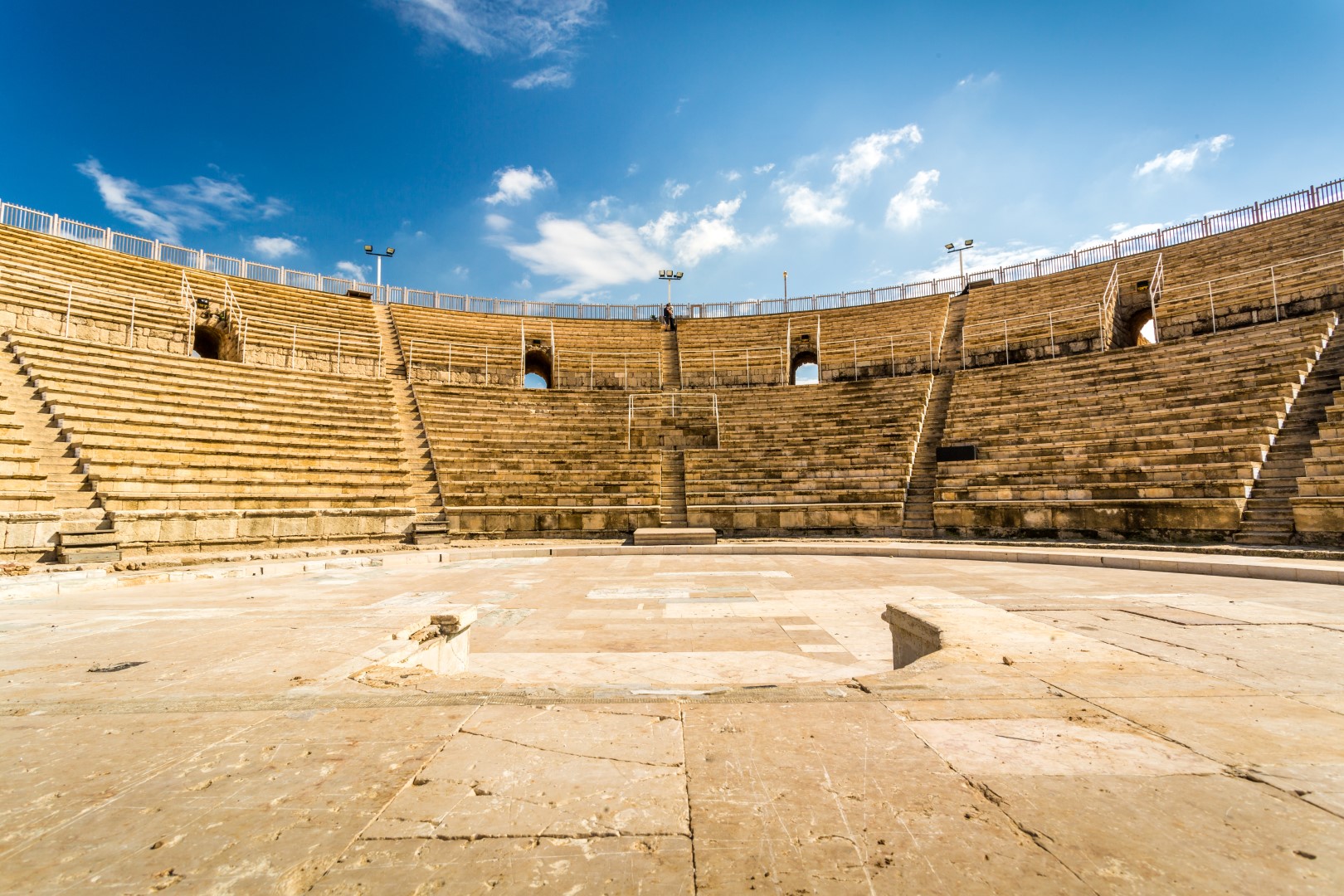
Walk through the magnificently restored Roman amphitheater, a 4,000-seat venue still hosting concerts today with acoustics so perfect you can hear a whisper from stage while standing at the top row. Your guide explains how Roman engineers achieved this 2,000 years before modern sound technology using geometric precision and limestone's natural properties.
Explore the hippodrome where 30,000 spectators watched chariot races, imagining the thunder of hooves and roar of crowds. See Herod's palace extending dramatically over the Mediterranean, supported by vaulted chambers that once stored grain and supplies for the Roman garrison.
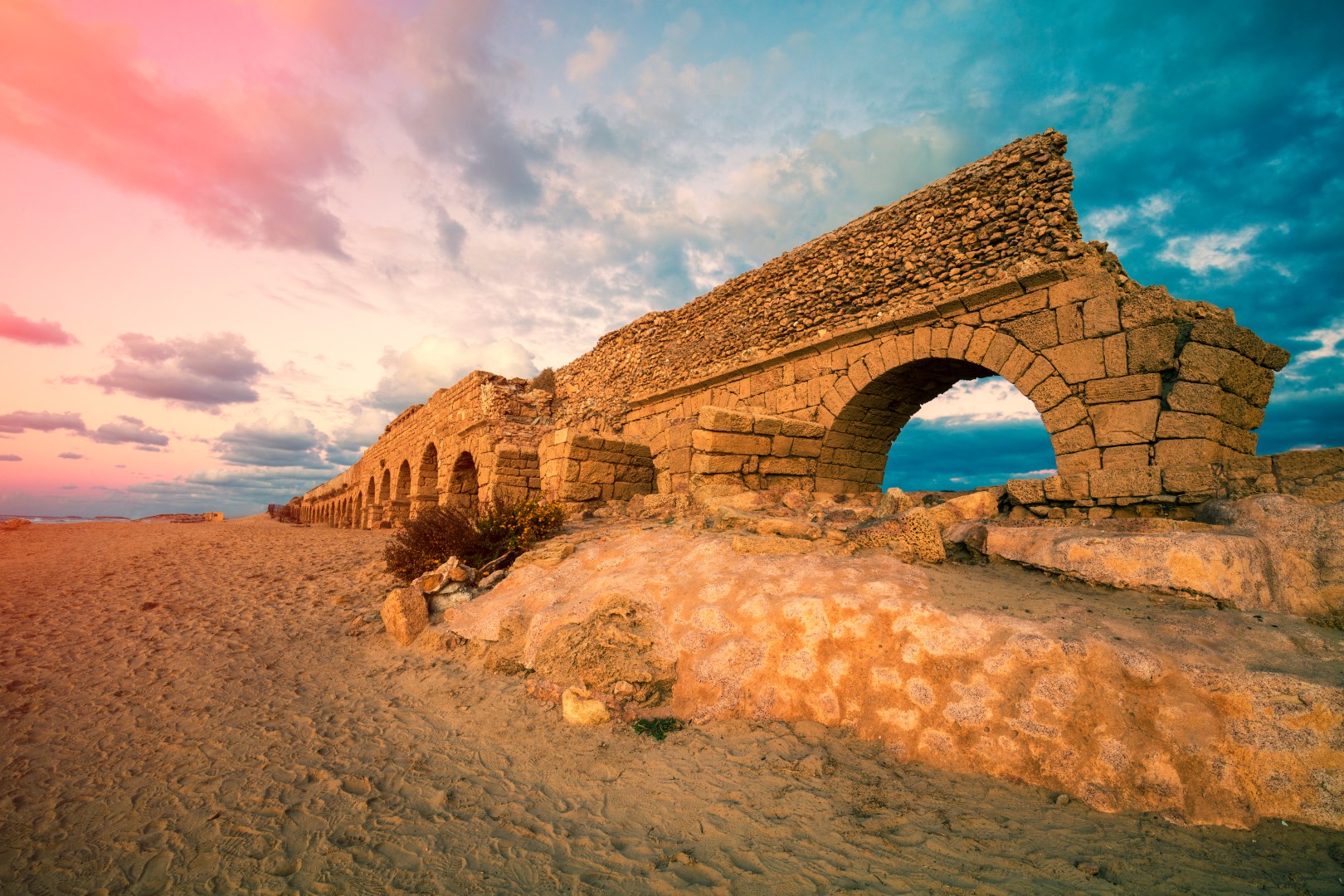
The highlight is the Roman aqueduct running 900 meters along the beach, an engineering marvel that carried fresh water from Mount Carmel springs 17 kilometers away. This is one of Israel's most photographed ancient structures, perfect for dramatic coastline photos.
Your guide also shows you Byzantine street mosaics, Crusader fortifications rebuilt by King Louis IX in 1251, and explains the underwater archaeology discoveries revealing Herod's innovative use of hydraulic concrete to build deep-water harbor structures.
Sites at Caesarea:
- Roman amphitheater (restored, incredible acoustics)
- Hippodrome (chariot racing track, 30,000 capacity)
- Herodian palace ruins over the sea
- Roman aqueduct beach walk (900 meters)
- Crusader city walls and moat
- Byzantine mosaics and street remains
- Time Tower multimedia presentation
10:00 AM - Drive to Haifa
Scenic drive north along Highway 2 toward Haifa, passing Atlit Crusader fortress ruins and modern beach resorts. Your guide provides context on Haifa's strategic importance as Israel's largest port, its unique coexistence of Jewish, Arab, and Bahai communities, and Mount Carmel's biblical significance (where Elijah challenged prophets of Baal).
10:30 AM - Bahai Gardens & Cable Car, Haifa
Board the cable car at Bat Galim Beach for a scenic 5-minute ascent through the gardens. Nineteen precision-manicured terraces cascade 1 kilometer down Mount Carmel, representing the 18 disciples of the Bab plus the Bab himself, founder of the Bahai faith.
The terraced gardens are a UNESCO World Heritage Site, considered the "Hanging Gardens" of the modern world. Each terrace bursts with geometric flower beds, fountains, and sculptures aligned according to sacred geometry principles. The golden-domed Shrine of the Bab sits at the center, a masterpiece blending Persian and European architectural elements.
From the upper viewing platform, panoramic views stretch across Haifa Bay to Acre and the Galilee hills beyond. On clear days, you can see Mount Hermon on the Syrian border. Your guide explains the Bahai faith founded by Bahá'u'lláh in 19th-century Persia, why Haifa became its global spiritual center, and the 15 years of volunteer labor required to construct these gardens.
Note: This tour includes viewing from the upper terrace, not entry into the Shrine of the Bab interior (requires separate advance reservation, available Friday-Sunday mornings only).
12:00 PM - Drive to Rosh Hanikra with Lunch Stop
Continue north along the coast. Brief lunch stop (30-45 minutes, meal not included) en route or upon arrival near Rosh Hanikra. Your guide recommends local restaurants or you can bring packed lunch.
01:00 PM - Rosh Hanikra Grottos
Arrive at Israel's northernmost point where white chalk cliffs meet Lebanon. Board the cable car descending at a dramatic 60-degree angle – Israel's steepest. The 2-minute ride offers breathtaking views of the coastline, and on clear days you can see Lebanese towns of Naqoura and Tyre across the border.
At the bottom, enter a network of sea grottos carved over millennia by relentless Mediterranean wave action. Walk through illuminated tunnels where waves surge into chambers, creating thunderous echoes and spray that shimmers in blue-lit passages. The constant roar of the sea, natural rock formations, and pools reflecting cave ceilings create an otherworldly atmosphere.
The grottos constantly transform as wave patterns and light conditions shift throughout the day, meaning every visit offers unique visuals. Your guide shares geological insights about how these limestone formations developed and points out the most photogenic angles.
Above ground, walk to the border fence (you can see Lebanese villages just meters away) and view the sealed British railway tunnel built in 1943 to connect Haifa with Beirut. Your guide explains the geopolitical significance of this area and the 2006 Lebanon War's impact on the border region.
Sites at Rosh Hanikra:
- Cable car descent (60-degree angle, stunning views)
- Illuminated sea grottos and wave chambers
- Natural limestone rock formations
- Lebanese border viewpoint and fence
- British Mandate railway tunnel (sealed)
- Panoramic Mediterranean coastline views
02:00 PM - Drive to Acre
Short drive south to Acre (Akko). Your guide provides historical overview of Acre's 4,000-year history: Canaanite port, Phoenician trade hub, Roman garrison, Crusader capital, Ottoman provincial city, and British Mandate prison.
02:30 PM - Old Acre (Akko) Exploration
Enter the largest and best-preserved Crusader city in Israel, a UNESCO World Heritage Site where 4,000 years of Mediterranean history layers upon itself. Above ground thrives an Ottoman-era Arab city; beneath lies a complete 12th-century Crusader fortress city.
Crusader Knights' Halls (45 minutes):
Descend into six massive vaulted stone chambers built by the Knights Hospitaller as their headquarters. Gothic arches soar overhead, supported by columns so thick three people cannot wrap arms around them. These halls served as dining rooms, meeting chambers, and storage facilities for the Crusader kingdom that stretched from Acre to Jerusalem.
Your guide shares stories of knights preparing for battle, hosting banquets with European nobility, and managing supply routes during the Crusades. The halls remained buried under Ottoman buildings for 700 years until excavated in the 1990s, preserved perfectly by centuries of sand and debris.
Templar Tunnel (30 minutes):
Walk the 350-meter underground passage connecting the Templar fortress to Acre's port. Built in 1290 during the final Crusader years, this secret route allowed knights to move supplies and escape during the Siege of Acre when Mamluk Sultan al-Ashraf Khalil's forces recaptured the city after 43 days of brutal fighting.
The tunnel is fully illuminated, approximately 6 feet high and 5 feet wide, maintaining cool 18-20°C temperature year-round. Some low-hanging sections require taller guests to duck slightly. Your guide explains how archaeologists rediscovered this passage in 1994 by following medieval maps.
Ottoman Old City & Markets (45 minutes):
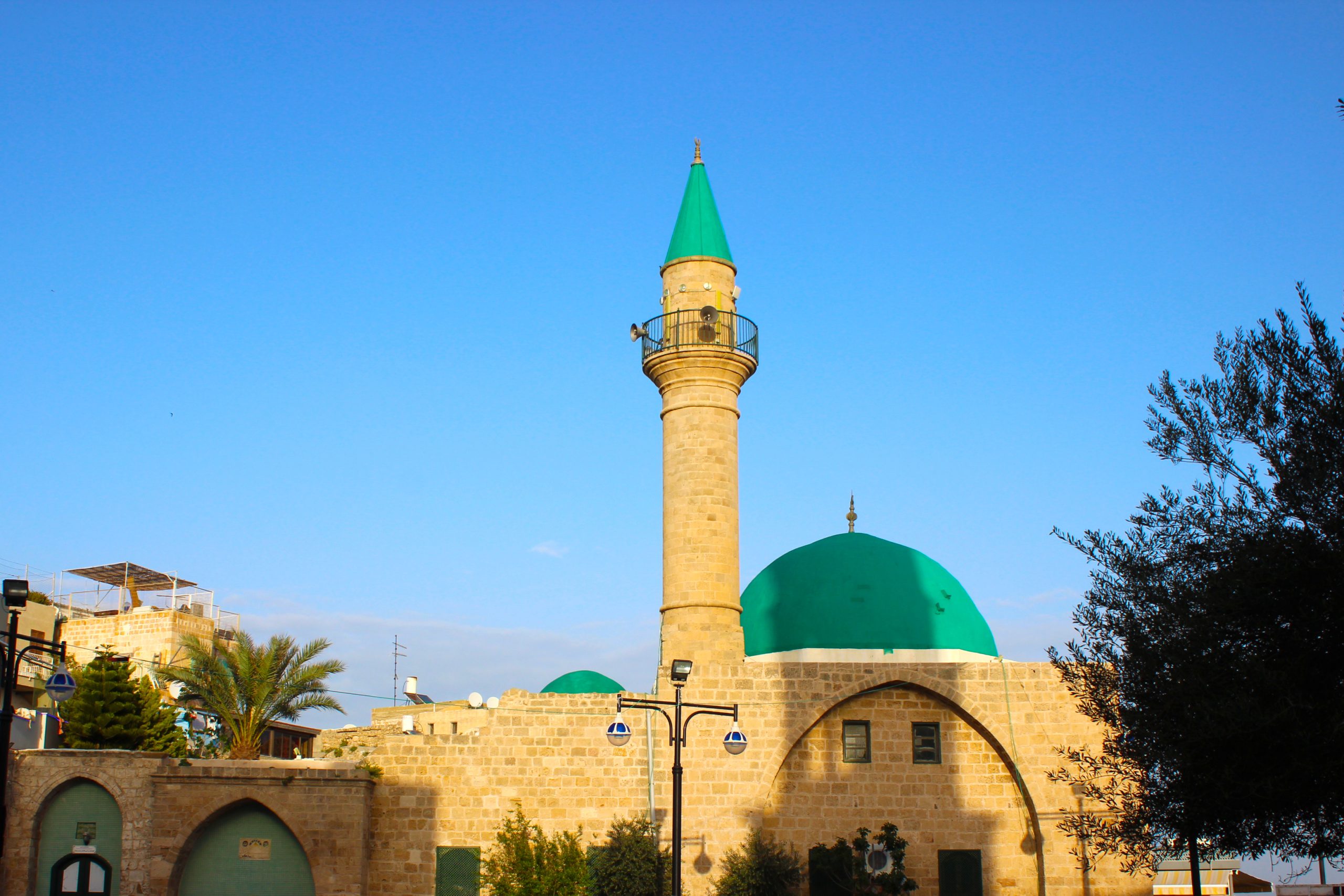
Emerge above ground into Acre's vibrant Ottoman-era souks where local life continues among ancient buildings. The Al-Jazzar Mosque (1781) towers above with its distinctive green minaret. Wander markets where vendors sell:
- Fresh fish brought daily from Acre's harbor
- Aromatic spices (za'atar, sumac, cardamom)
- Sweet Arabic pastries (baklava, knafeh cheese pastry)
- Fresh-squeezed pomegranate juice (15-20 NIS)
- Handcrafted olive wood items and ceramics
Walk the massive sea walls and fortifications rebuilt by Ottoman governor Ahmad Pasha al-Jazzar, which famously withstood Napoleon's 1799 siege – the only city in the Holy Land to successfully resist the French emperor's conquest. Your guide describes the 61-day siege when Napoleon's cannons failed to breach these walls, forcing his retreat and changing Middle Eastern history.
Visit the Turkish citadel that later became a British Mandate prison holding Jewish resistance fighters. See the actual gallows where executions occurred – a sobering reminder of modern independence struggles.
Free time to explore the fishing harbor, sip Arabic coffee at waterfront cafes, or shop for souvenirs before group reconvenes.
Sites at Acre:
- Crusader Knights' Halls (6 vaulted chambers)
- Underground Templar Tunnel (350 meters)
- Ottoman Al-Jazzar Mosque (exterior)
- Historic souks and spice markets
- Sea walls and fortifications
- Turkish citadel and British prison
- Fishing harbor and waterfront
04:45 PM - Return Journey Begins
Board coach for return journey south along coastal Highway 2. Your guide answers final questions and provides recommendations for the rest of your Israel trip. Consider combining this tour with our Jerusalem and Bethlehem day tour or Dead Sea and Masada tour for a comprehensive Israel experience.
06:30 PM - Tel Aviv Hotel Drop-Off
Arrive back at Tel Aviv hotels between 18:00-18:30 (evening rush hour may extend to 19:00). Jerusalem guests arrive approximately 19:30-20:00.
Want to read it later?
Download this tour's PDF brochure and start your planning offline.
Frequently Asked Questions
Is this Caesarea Haifa Acre tour worth it compared to visiting sites independently?
Absolutely. Visiting these four sites independently requires renting a car ($60-80 per day), navigating 120 kilometers along Highway 2, coordinating entrance times, and finding parking at each location (especially challenging in Old Acre where parking is limited and expensive at 40-60 NIS for the day).
Independent visits cost $15-25 per site in entrance fees alone, totaling $60-100 per person plus car rental, fuel ($30-40), and parking. You'd also spend 3+ hours driving versus relaxing on a comfortable coach.
Most importantly, our licensed guides transform ancient ruins into vivid stories you'd miss reading plaques alone. You'll understand why Herod chose Caesarea's location for hydraulic concrete harbor construction, how Crusaders defended Acre during the 1291 siege, and the geological forces that carved Rosh Hanikra's grottos over millions of years.
Our tour provides skip-the-line access, perfect timing to avoid crowds (we arrive at Rosh Hanikra before afternoon rush), and coordination you can't achieve alone. For travelers wanting maximum coastal sites with minimum stress, this delivers unbeatable value.
How much actual site time versus driving time on this Caesarea Haifa Acre tour?
Active site exploration time: 5 hours 15 minutes
- Caesarea: 90 minutes
- Haifa: 60 minutes
- Rosh Hanikra: 45 minutes
- Acre: 120 minutes
Driving time: 3 hours 35 minutes total
- Tel Aviv to Caesarea: 45 minutes
- Caesarea to Haifa: 30 minutes
- Haifa to Rosh Hanikra: 30 minutes
- Rosh Hanikra to Acre: 20 minutes
- Acre to Tel Aviv: 90 minutes
Lunch break: 30-45 minutes
You spend 60% of the tour actively exploring sites, not sitting in the vehicle. The driving segments are scenic (coastal highway views) and your guide provides historical context during transit, so no time feels wasted.
Compare this to rushed tours that allocate only 30-45 minutes per location or skip Rosh Hanikra entirely due to distance. We give you proper time to explore, photograph, and absorb each site without feeling hurried.
If you want even slower pace or more time at specific sites, our private Caesarea Haifa Acre tours offer complete flexibility to customize timing.
Is the Rosh Hanikra cable car safe? What if I'm afraid of heights?
The Rosh Hanikra cable car has operated since 1971 with a perfect safety record and zero accidents. It's fully enclosed, seats 6 people comfortably on cushioned benches, and descends smoothly for only 2 minutes. The cable car system is maintained to strict Israeli safety standards and inspected regularly.
The 60-degree angle is steep (Israel's steepest cable car), but the enclosed cabin and short duration make it thrilling rather than scary for 99% of guests. You can see the Mediterranean, white cliffs, and Lebanese border during descent, creating spectacular photo opportunities.
If you're genuinely uncomfortable with cable cars or have severe acrophobia, you can wait at the top viewing platform while the group explores grottos (no refund for skipped portions). However, the sea caves are accessible only by cable car with no alternative entrance, and most guests consider this the tour's highlight.
The cable car operates in most weather except severe storms when wave action makes the grottos dangerous. Rosh Hanikra is managed by Israel Nature and Parks Authority with strict safety protocols.
Can we swim at Caesarea beach or inside the Rosh Hanikra grottos?
No, this tour doesn't include beach time or swimming. Caesarea has beautiful Mediterranean beaches adjacent to the archaeological park where the Roman aqueduct runs along the sand (perfect for dramatic coastline photos), but we focus on historical site exploration rather than beach activities. Our 90-minute Caesarea stop is allocated to the amphitheater, hippodrome, palace ruins, and aqueduct walk.
Rosh Hanikra's grottos are absolutely not swimmable. Wave action inside the caves is powerful and dangerous, with water surging unpredictably into chambers. The grottos are protected nature reserve areas where swimming is prohibited for both safety and conservation reasons.
If you want beach time on Israel's Mediterranean coast, consider our beach and coastal relaxation tours. For water activities, our Eilat Red Sea snorkeling and diving tours offer world-class underwater experiences in the Gulf of Aqaba.
How long is the lunch break? Where should we eat in Acre?
Lunch break is 30-45 minutes, typically scheduled before or during the Acre exploration. Your guide recommends authentic local restaurants based on your preferences and dietary needs:
Uri Buri – Israel's most famous seafood restaurant, ranked among Mediterranean's best. Fresh fish, creative presentations, harbor views. 60-120 NIS ($17-33) per person. Reservations recommended but guide can usually secure walk-in seating.
Hummus Said – Legendary hummus served since 1945, consistently ranked Israel's best. Creamy hummus with fresh pita, falafel, pickles. 25-40 NIS ($7-11). Cash only, expect queues during peak lunch (12:30-13:30).
Doniana – Traditional Arabic mixed grill and mezze. Grilled meats (lamb, chicken, kebabs), fresh salads, warm pita. Family-run for three generations. 50-80 NIS ($14-22).
Acre Market Stalls – Quick budget options: fresh-squeezed pomegranate juice (15 NIS), falafel sandwiches (20 NIS), knafeh cheese pastry (18 NIS), baklava (12-15 NIS per piece).
Vegetarian, vegan, and kosher options available at most restaurants. Your guide assists with ordering if needed. For more dining recommendations throughout Northern Israel, see our comprehensive food guide.
Can we enter the Bahai Shrine of the Bab or just view gardens from outside?
This tour includes viewing the terraced gardens from the upper platform and cable car ride, not entry into the Shrine of the Bab interior. The shrine's inner chamber is open to public only Friday-Sunday 9:00 AM-12:00 PM and requires advance reservation through the Bahai World Centre website (typically books 2-3 weeks ahead during peak season).
Most tourists prefer the spectacular terrace views, which provide the iconic photos everyone wants – the golden dome framed by geometric flower beds, fountains, and Mediterranean backdrop. The exterior architecture and garden symmetry are what make the site a UNESCO World Heritage Site, recognized for outstanding universal value.
If you're specifically interested in the Bahai faith and want shrine interior access to see the burial chamber of the Bab, we can arrange private Haifa tours with shrine reservations when booked 14+ days in advance. Private tours also allow more time for garden photography and visiting the Bahai Archives building.
Is Acre safe for tourists? It's a predominantly Arab city.
Yes, Acre is completely safe for tourists and one of Israel's most-visited destinations. Old Acre receives thousands of daily visitors from cruise ships, tour groups, and independent travelers. Tourism is the city's economic foundation, and locals are welcoming and accustomed to international guests.
Acre (Akko) is under full Israeli jurisdiction with Israeli police and security presence. The city's Arab population coexists peacefully with Jewish residents and Israeli authorities. Many Arab families have operated restaurants, shops, and market stalls for generations, relying on tourism income.
You'll be with a licensed guide throughout the 2-hour Acre visit, and the tour follows well-established tourist routes through the Crusader city, fortress, markets, and waterfront. The blend of living Arab community within ancient Crusader architecture creates Acre's unique charm and authentic Mediterranean atmosphere.
For current travel advisories and safety updates, consult the Israel Ministry of Tourism official website. Acre maintains the same safety standards as all Israeli cities and tourist destinations.
Can Israeli citizens join this Caesarea Haifa Acre tour?
Yes, all tour sites are within Israeli sovereign territory. Rosh Hanikra is at the Lebanese border but entirely on the Israeli side. No passport required for Israeli citizens. Pricing is identical for all participants regardless of nationality.
If you're combining multiple tours and planning to visit Bethlehem on our Jerusalem and Bethlehem day tour, note that Israeli citizens generally cannot enter Palestinian Authority Area A where Bethlehem is located under Israeli law. We can accommodate Israeli passport holders for the Jerusalem portion only (Western Wall, Via Dolorosa, Church of Holy Sepulchre) with adjusted pricing.
All other Booking-tours day tours – including this coastal tour, Dead Sea and Masada, and Galilee and Nazareth – are fully accessible to Israeli citizens with no restrictions.
What's the Templar Tunnel like? Will it feel claustrophobic?
The Templar Tunnel is a 350-meter underground stone passage, fully illuminated with LED lighting throughout. Dimensions are approximately 1.8 meters (6 feet) high and 1.5 meters (5 feet) wide – much more spacious than typical narrow cave passages or crawl spaces.
The tunnel maintains comfortable walking space for single-file progression. It's not claustrophobic for most people, though individuals with severe anxiety about enclosed spaces should consider whether they're comfortable. Temperature stays cool at 18-20°C (64-68°F) year-round, making it pleasant during hot summer months but requiring a light jacket.
Some sections have slightly lower ceiling heights where taller guests (over 185cm / 6'2") may need to duck briefly, but these represent less than 10% of the total passage. The tunnel has excellent ventilation and you're never more than 175 meters from an exit.
If you're uncomfortable with underground enclosed spaces, you can skip the tunnel and spend extra time exploring Acre's markets, harbor, and sea walls instead. Your guide will meet you at the tunnel exit. No refund for skipped portions of the tour.
The tunnel was carved by Templar Knights in 1290 CE and represents remarkable medieval engineering – definitely worth experiencing if you're physically comfortable with the conditions.
What time do we return to Tel Aviv or Jerusalem? I have evening dinner plans.
Tel Aviv drop-off: 18:00-18:30 typical arrival
- Evening rush hour traffic (17:00-19:00) may extend arrival to 19:00
- Friday afternoons (before Shabbat) can add 20-30 minutes due to heavier traffic
Jerusalem drop-off: 19:30-20:00 typical arrival
- Additional 60-90 minutes from Tel Aviv due to elevation climb and highway 1 traffic
- Friday pre-Shabbat traffic may extend to 20:30
Recommendations:
- Tel Aviv dinner reservations: Schedule for 19:30 or later to be safe
- Jerusalem evening activities: Plan for 20:00 or later
- Theater/show tickets: Book for 21:00+ to avoid stress
If you need guaranteed earlier return time or have inflexible evening commitments, consider booking our private coastal tour where you control departure and return times completely. Private tours can depart earlier (06:00-06:30) and return by 17:00-17:30 if needed.
Does this Caesarea Haifa Acre tour operate on Shabbat and Jewish holidays?
Shabbat (Saturday): Yes, operates normally every Saturday with no restrictions. All coastal sites (Caesarea, Haifa Bahai Gardens, Rosh Hanikra, Acre) remain open during Shabbat. This is one of the best tours for Shabbat since it doesn't involve Jerusalem's Old City where some areas close.
Jewish Holidays: Operates normally on most holidays with these notes:
- Yom Kippur: Tour does NOT operate (entire country shuts down)
- Passover, Sukkot, Rosh Hashanah: Operates with possible modified site hours
- Independence Day, Holocaust Remembrance Day: Operates normally
Christian/Muslim Holidays: No operational impact. All sites remain open during Christmas, Easter, Ramadan, and Eid.
We notify all participants of any schedule changes at least 48 hours in advance via email and SMS. If a tour must be cancelled due to holiday closures, you'll receive full refund or alternative date option.
For maximum flexibility during holiday periods, consider private tours which can adjust itineraries based on site availability.
Can we combine this coastal tour with other Israel day tours to create a multi-day experience?
Absolutely. Most travelers create comprehensive 3-4 day Israel itineraries by combining multiple BookingRadar day tours. Here's our most popular multi-day combination:
Day 1: Jerusalem and Bethlehem Jerusalem and Bethlehem day tour – Visit Western Wall, walk Via Dolorosa, explore Church of Holy Sepulchre, cross checkpoint to Bethlehem, visit Church of Nativity birthplace of Jesus. Full immersion in biblical and religious history.
Day 2: Mediterranean Coast Caesarea Haifa Acre Rosh Hanikra tour (this tour) – Roman ruins, Crusader fortresses, natural sea caves, coastal scenery. Perfect counterpoint to Day 1's religious focus.
Day 3: Dead Sea and Desert Dead Sea and Masada tour – Sunrise at Masada fortress, cable car or hike option, float in Dead Sea, visit Ein Gedi oasis. Natural wonders and ancient history combined.
Day 4 (Optional): Galilee Region Galilee and Nazareth Christian tour – Nazareth, Capernaum, Sea of Galilee, Mount of Beatitudes, Cana. Essential for Christian pilgrims, beautiful scenery for all travelers.
Multi-Day Package Discounts:
- Book 2 tours: 5% discount
- Book 3 tours: 10% discount
- Book 4+ tours: 15% discount
What happens if weather closes Rosh Hanikra grottos during our tour?
Rosh Hanikra grottos close during severe storms when wave action makes the caves dangerous for visitor safety. Closures are relatively rare (5-10 days annually, almost exclusively December-February during Mediterranean storm season).
If closure occurs on your tour date:
Option 1 – Site Substitution: We substitute with extended time at Acre (additional Crusader sites like the Hospitaller Fortress or Tunisian Synagogue) or visit to Montfort Crusader Castle ruins if accessible.
Option 2 – Partial Refund: You receive $15 per person refund for the skipped Rosh Hanikra entrance fee and cable car.
Option 3 – Haifa Shrine Access: If available and open (Friday-Sunday mornings only), we arrange entry to the Shrine of the Bab interior as alternative experience.
Tours rarely cancel entirely. We monitor weather conditions 24-48 hours before departure and notify participants of any changes via email and SMS. Even during winter months, the majority of tours proceed as scheduled.
Winter touring benefits (November-March):
- Dramatic wave action when grottos are open (spectacular spray and sound)
- Fewer crowds at all sites
- Mild temperatures (15-22°C / 59-72°F) perfect for walking
- Lower tour prices during off-peak season
Just bring rain gear and embrace the Mediterranean's power. Many guests consider winter coastal tours even more memorable than summer visits.
Are there bathrooms at all the sites on this tour?
Yes, clean modern restroom facilities are available at every major stop:
Caesarea National Park: Large visitor center with multiple bathrooms at entrance. Clean facilities with running water, soap, toilet paper. Additional bathrooms near the amphitheater.
Haifa Bahai Gardens: Bathrooms at both the cable car base station (Bat Galim Beach) and upper terrace viewing platform. Clean and well-maintained.
Rosh Hanikra: Modern facilities at the upper cable car station before descent. Clean bathrooms with running water. No facilities inside the grottos (use bathrooms before descending).
Acre: Public restrooms at the Crusader City entrance (Knights' Halls ticketing area). Additional facilities near the Templar Tunnel exit. Cafes and restaurants in the market area also have bathrooms for customers.
Your guide schedules appropriate bathroom breaks and points out facilities at each stop. The tour coach has no onboard bathroom, but with stops every 60-90 minutes, this doesn't create issues for most travelers.
Important note: No bathrooms inside the Templar Tunnel. The 350-meter walk takes approximately 15 minutes. Use facilities before entering the tunnel.
How do I book this Caesarea Haifa Acre tour? What payment methods do you accept?
Booking Process:
Step 1: Click "Book Now" or "Check Availability" button at top of this page
Step 2: Select your preferred date from the calendar
Step 3: Choose number of adults, children, and pickup location (Tel Aviv, Jerusalem, or Herzliya)
Step 4: Add any optional extras (private tour upgrade, alternate drop-off location)
Step 5: Enter passenger details and contact information
Step 6: Complete payment securely
Step 7: Receive instant confirmation email with booking reference, voucher, and pickup details
Accepted Payment Methods:
- Credit cards: Visa, Mastercard, American Express, Discover
- PayPal
- Bank transfer (for bookings 7+ days in advance)
- Apple Pay / Google Pay
From 85.00 $
Book This Tour
Have a question in mind
Looking for more info? Send a question to the tour agent to find out more.
You might also like
Travel is my life. Since 1999, I have been traveling around the world nonstop. If you also love travel, you are in the right place!


