
Jerusalem and Bethlehem Tour

- 1 Day
- Maximum Capacity: 50
Adult
Child
Infant
Description
Jerusalem and Bethlehem Tour: Walk Through 3,000 Years of History
Experience the spiritual heart of three faiths in one unforgettable day. This Jerusalem and Bethlehem tour takes you from the Mount of Olives panoramic viewpoint to the Western Wall, along the Via Dolorosa to the Church of the Holy Sepulchre, then to Bethlehem’s Church of the Nativity where Jesus was born. With hotel pickup, a licensed guide, and clear logistics at every step, you’ll explore sacred sites including the Jerusalem and Bethlehem Tour without the stress of navigation or crowds.
Why This Jerusalem and Bethlehem Tour Works
On our Jerusalem and Bethlehem Tour, you’ll gain insights that only an experienced guide can provide, making your visit truly special.
Most visitors to the Holy Land have limited time and unlimited sites competing for attention. This tour solves that by covering the absolute essentials – Western Wall, Church of the Holy Sepulchre, and Church of the Nativity – in a single day with expert commentary that brings 3,000 years of history into focus.
You won’t waste time figuring out checkpoints into Bethlehem (we handle the paperwork), decoding which chapel is which inside the Church of the Holy Sepulchre (your guide explains the Greek Orthodox, Catholic, and Armenian sections), or getting lost in the Old City’s 3,000 alleyways (we take the direct routes used by locals).
Mount of Olives: Your Jerusalem Orientation
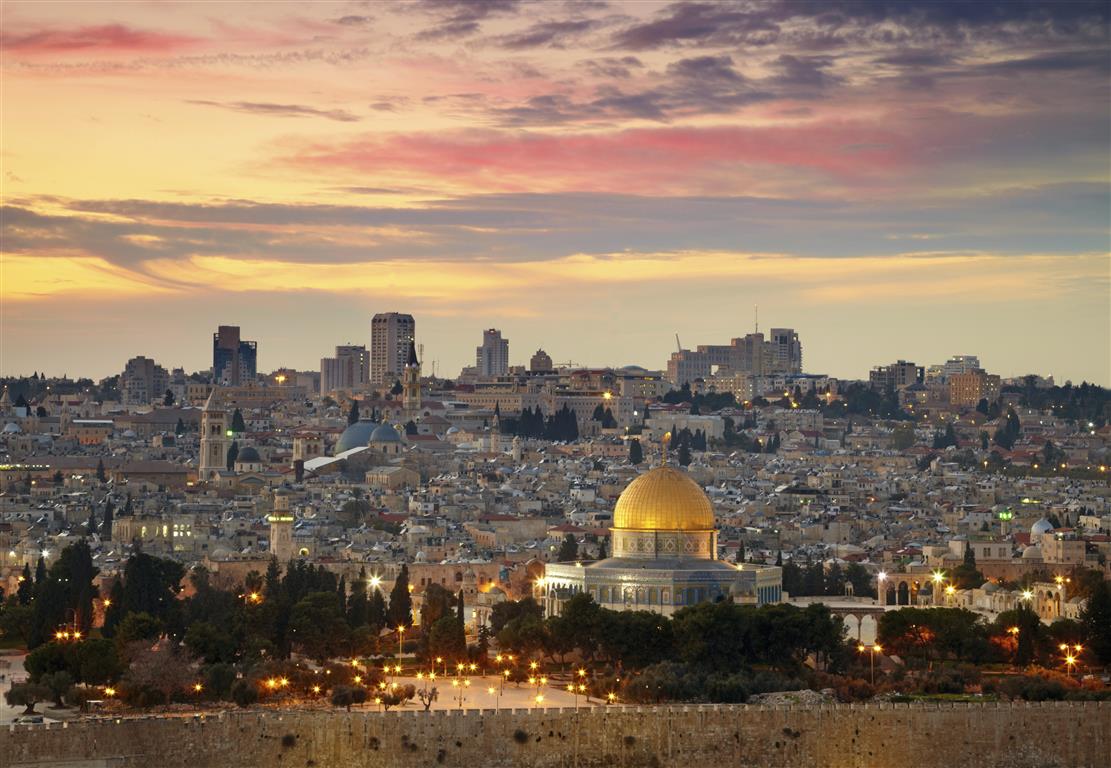
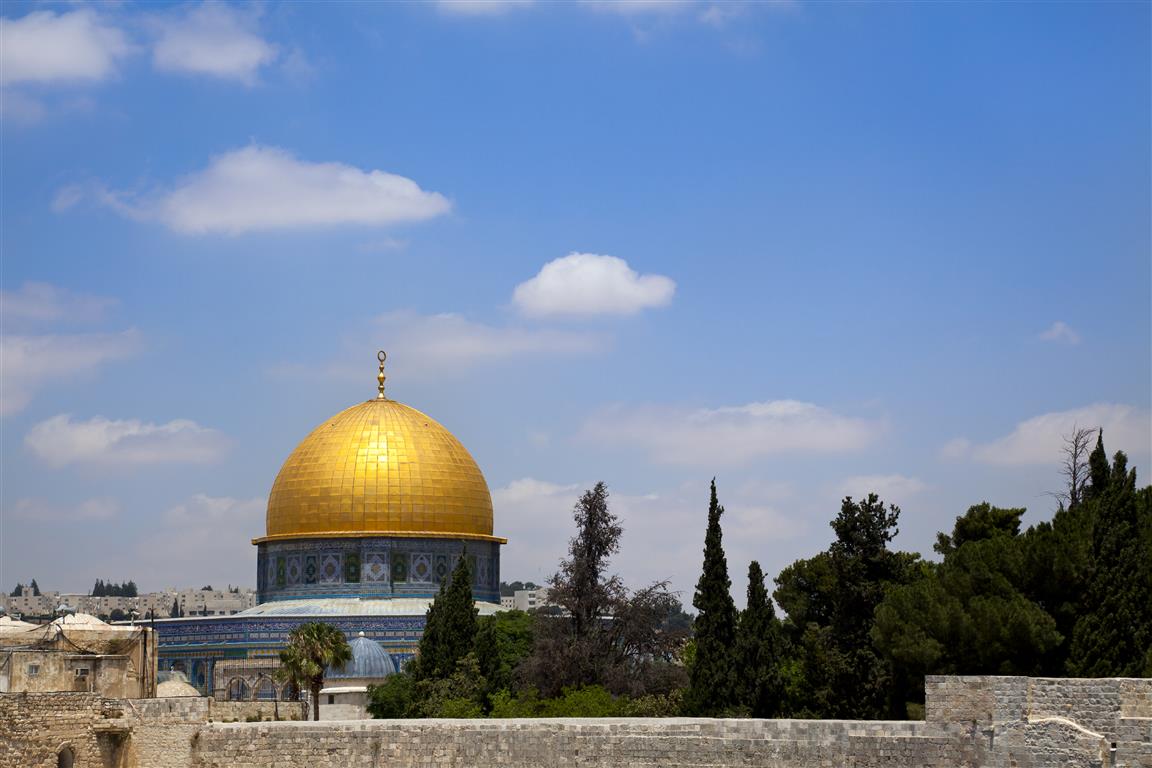
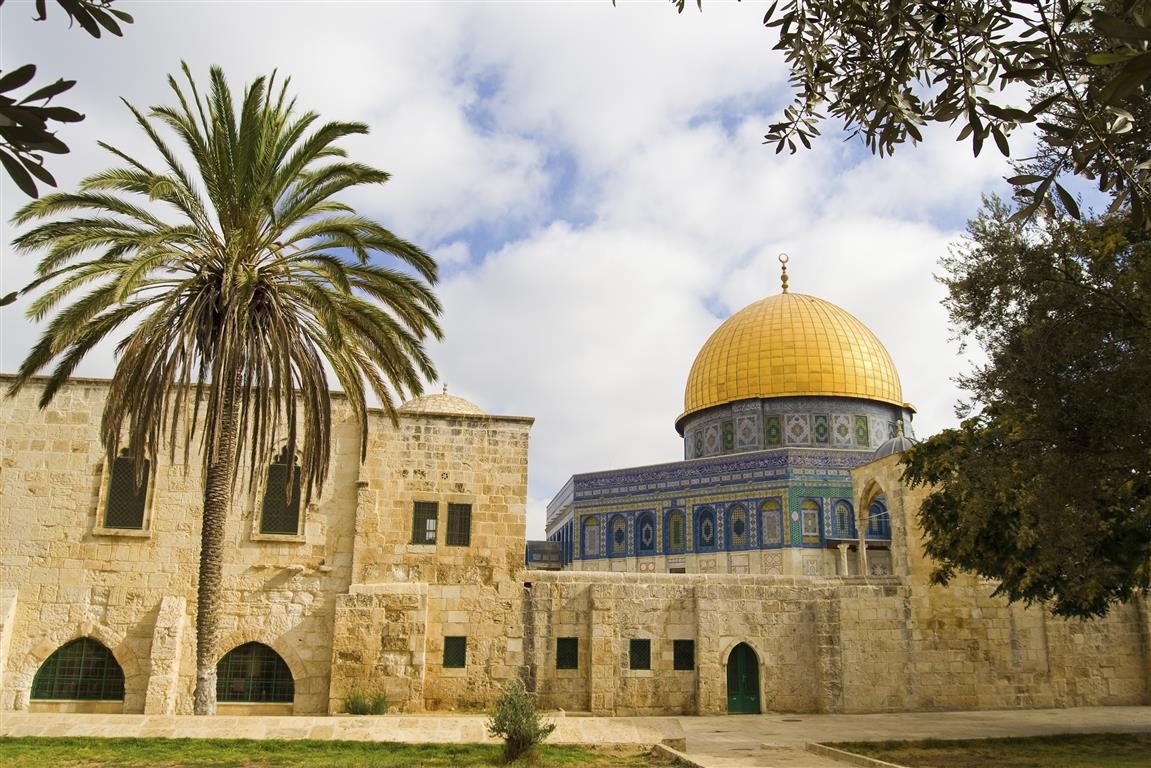
We begin at the Mount of Olives lookout, 2,600 feet above sea level. From here, you see the entire Old City laid out like a 3D map: the golden Dome of the Rock on Temple Mount where Abraham bound Isaac and Muhammad ascended to heaven, the silver dome of Al-Aqsa Mosque, the Church of the Holy Sepulchre’s grey domes, and the ancient Jewish cemetery cascading down the slope where 150,000 graves await the Messiah’s arrival.
Your guide points out the Garden of Gethsemane below, the Kidron Valley separating the mount from the city walls, and explains why this spot mattered to Jesus (he wept here foreseeing Jerusalem’s destruction) and matters to Jews (the resurrection will begin here according to Zechariah 14:4).
Into the Old City: Byzantine Cardo to Western Wall
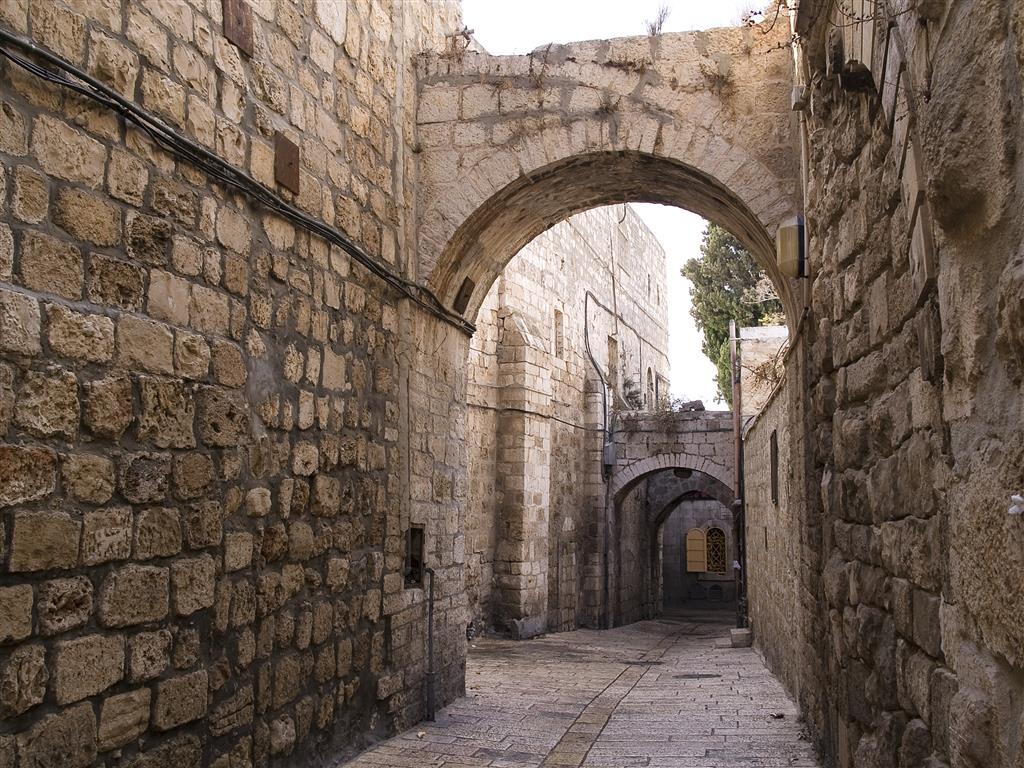
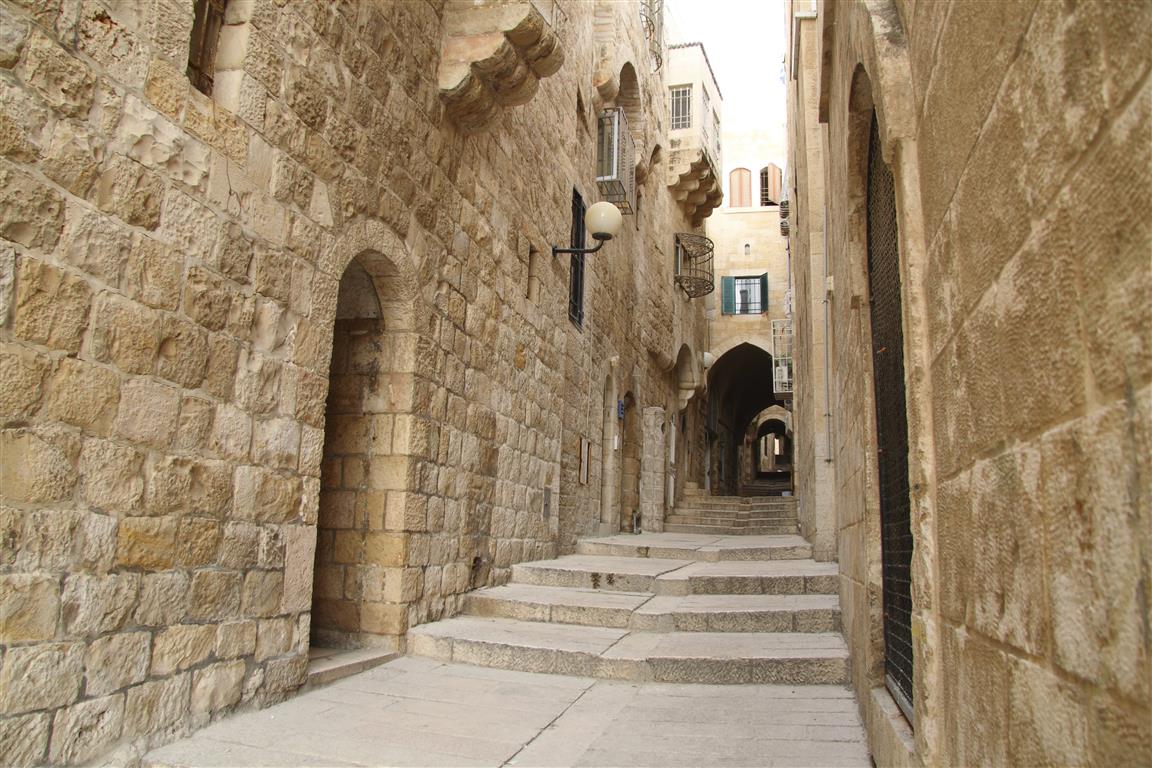
Entering through Zion Gate (notice the 1948 bullet holes in the stone), we walk into the Armenian Quarter and head for the Jewish Quarter. The 1,500-year-old Byzantine Cardo – once the main street of Byzantine Jerusalem – runs beneath your feet. Excavated and partially restored, you’ll see the original columns, some shops preserved as they were 500 years ago during Crusader times, and modern jewelry stores occupying the same archways.
The Western Wall (Kotel) is 100 meters ahead. This 62-foot-high limestone retaining wall supported Herod’s Temple Mount expansion in 20 BCE. When the Romans destroyed the Second Temple in 70 CE, they left this western support wall standing. Jews have prayed here for 2,000 years – it’s the closest physical proximity to where the Holy of Holies once stood.
This Jerusalem and Bethlehem Tour is designed for both first-time visitors and those returning for a deeper experience.
Every detail of the Jerusalem and Bethlehem Tour aims to maximize your experience in this sacred region.
You can approach the wall (men go left, women right), touch the ancient stones worn smooth by millions of hands, and insert a prayer note into the cracks. Your guide waits at a respectful distance and reconvenes the group after 15 minutes. If you’re planning to visit other Jerusalem holy sites, your guide can provide recommendations for independent visits.
Via Dolorosa: The Way of Suffering
The Via Dolorosa begins at Lion’s Gate (St. Stephen’s Gate) where Pontius Pilate’s praetorium stood. Most tours rush this, but we stop at five of the 14 Stations of the Cross:
Station I (Pilate’s Judgment Hall) – where Jesus was condemned
Station III (Jesus falls the first time) – marked by a small chapel
Station V (Simon helps carry the cross) – at the intersection where Via Dolorosa bends
Station VII (Jesus falls the second time) – now a small Franciscan chapel
Stations X-XIV are inside the Church of the Holy Sepulchre
Your guide explains the historical vs. traditional routes (archaeology suggests a different path, but Christian tradition has walked this route for 1,000+ years) and what the streets would have looked like in 33 CE (narrower, more crowded, Roman soldiers everywhere).
Church of the Holy Sepulchre: Crucifixion and Resurrection
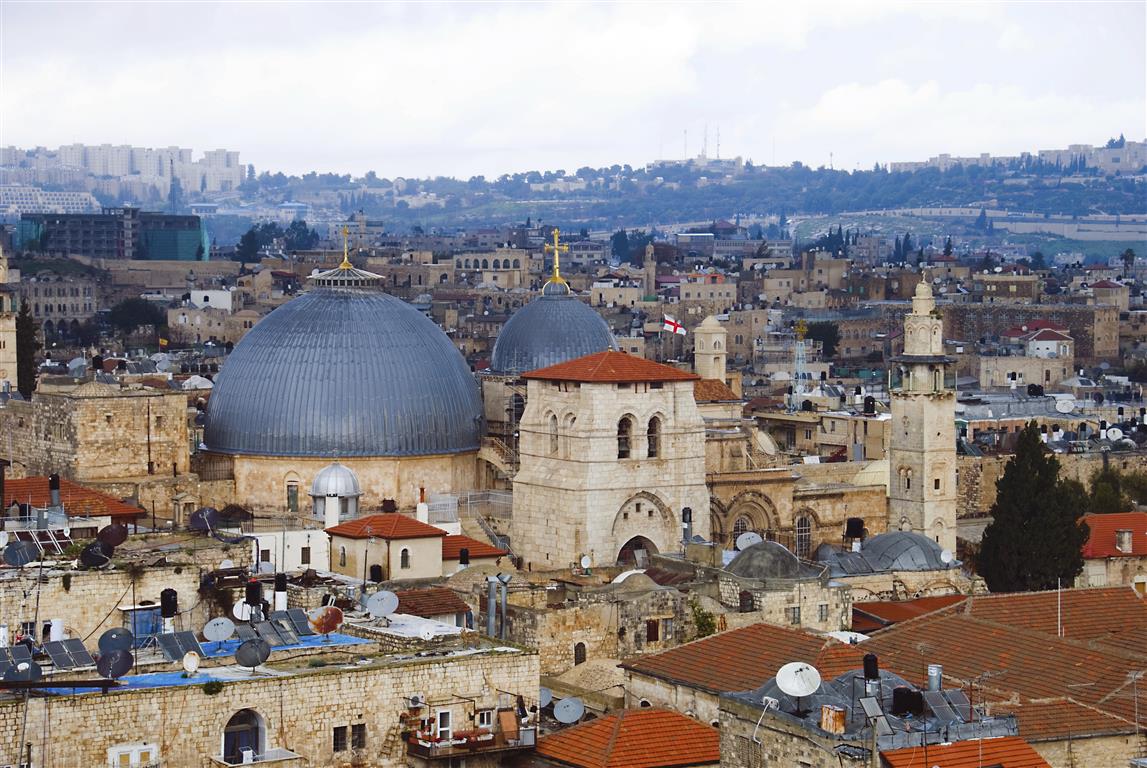
This is Christianity’s most sacred site – built over Golgotha (Calvary) where Jesus was crucified, and the tomb where he was buried and resurrected. Six Christian denominations share control (Greek Orthodox, Roman Catholic, Armenian Apostolic, Coptic, Syrian, and Ethiopian), which explains the ornate chaos inside.
Your guide takes you to:
The Stone of Anointing – where Jesus’s body was prepared for burial (pilgrims touch and kiss this)
Calvary Chapel (upstairs) – you climb 18 steep steps to the crucifixion site, marked by an altar; you can reach under the altar to touch the rock of Golgotha
The Edicule – the small chapel built over Jesus’s tomb; there’s usually a 30-60 minute queue, but your guide positions you efficiently
The Rotunda – the soaring dome above the tomb, rebuilt after the 1808 fire
Note: Due to visitor volume, actually entering the tomb (the Holy Edicule) isn’t always possible. If the queue is 60+ minutes, we view it from outside and your guide describes the interior (a tiny antechamber and the burial shelf inside).
Lunch Break and Old City Markets
We pause for 30-45 minutes in the Christian Quarter. Your guide suggests nearby spots (not included in tour price):
Abu Shukri (famous hummus, 25-40 NIS)
Jaffar Sweets (baklava and coffee, 20 NIS)
The transition from Jerusalem to Bethlehem is seamless on our Jerusalem and Bethlehem Tour.
Christ Church Café (Western-style sandwiches, 45-60 NIS)
During the Jerusalem and Bethlehem Tour, you will traverse historical pathways and witness significant sites.
Alternatively, explore the souks (markets): carved olive wood nativity sets, Armenian ceramics, spices, fresh-squeezed pomegranate juice (15 NIS). Your guide gives you a meeting point and time. For more dining recommendations, check our Jerusalem food and restaurant guide.
Bethlehem: Crossing the Checkpoint
The Shepherds’ Field visit is a highlight of the Jerusalem and Bethlehem Tour, providing a unique perspective on the nativity story.
We drive 20 minutes south to Bethlehem (biblical “house of bread,” King David’s birthplace). At the checkpoint, our licensed guide handles the passport control (bring your passport – this is mandatory). For current entry requirements and visa information, consult the Israel Airports Authority before your trip.
The Israeli separation barrier here features famous Banksy graffiti pieces including the “flower thrower” and “armored dove” – we stop briefly for photos if time allows.
Within the Church of the Nativity, the point of Jesus’s birth is a must-see on any Jerusalem and Bethlehem Tour.
Bethlehem today is in the West Bank under Palestinian Authority control. It’s safe for tourists and heavily reliant on pilgrimage tourism. You’ll notice Palestinian flags, Arabic signs, and churches everywhere (Bethlehem is about 35% Christian, much higher than the 1-2% Christian population in the wider West Bank). Learn more about visiting Bethlehem safely and responsibly.
Shepherds’ Field: “Fear Not”
Just outside Bethlehem is Shepherds’ Field, where angels appeared to shepherds announcing Jesus’s birth (Luke 2:8-20). The modern Franciscan chapel here has a tent-like roof symbolizing the shepherds’ dwellings. The acoustics are stunning – your guide might demonstrate by singing a verse of “Silent Night” or reading Luke 2 aloud. The echo lasts 7 seconds.
From the field, you see Bethlehem rising on the hillside, the same view the shepherds had 2,000 years ago (minus the churches and buildings).
Church of the Nativity: The Birthplace
Entering Manger Square, you see the Church of the Nativity – one of the oldest continuously operating churches in the world (built 339 CE by Emperor Constantine, rebuilt 565 CE by Justinian). Recognized as a UNESCO World Heritage Site since 2012, the church draws millions of pilgrims annually. You enter through the “Door of Humility,” only 4 feet high (originally a grand entrance, it was reduced in the Ottoman era to prevent carts and horses entering).
Inside, the church is dim, supported by ancient columns (some from the original 4th-century structure). The wooden ceiling dates to the 15th century. You descend narrow stone steps into the Grotto of the Nativity:
As we conclude the Jerusalem and Bethlehem Tour, reflection time is encouraged during the return journey.
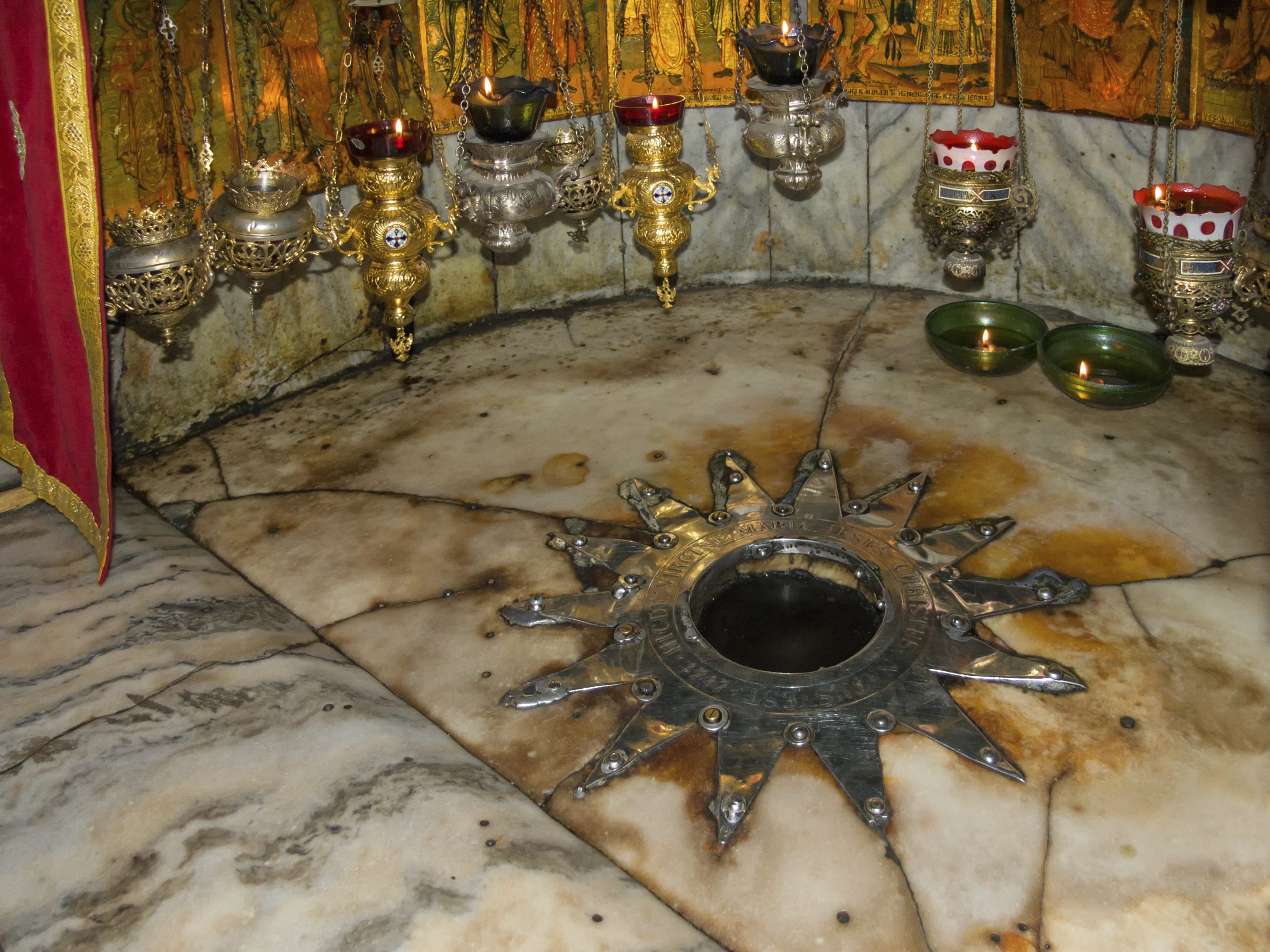
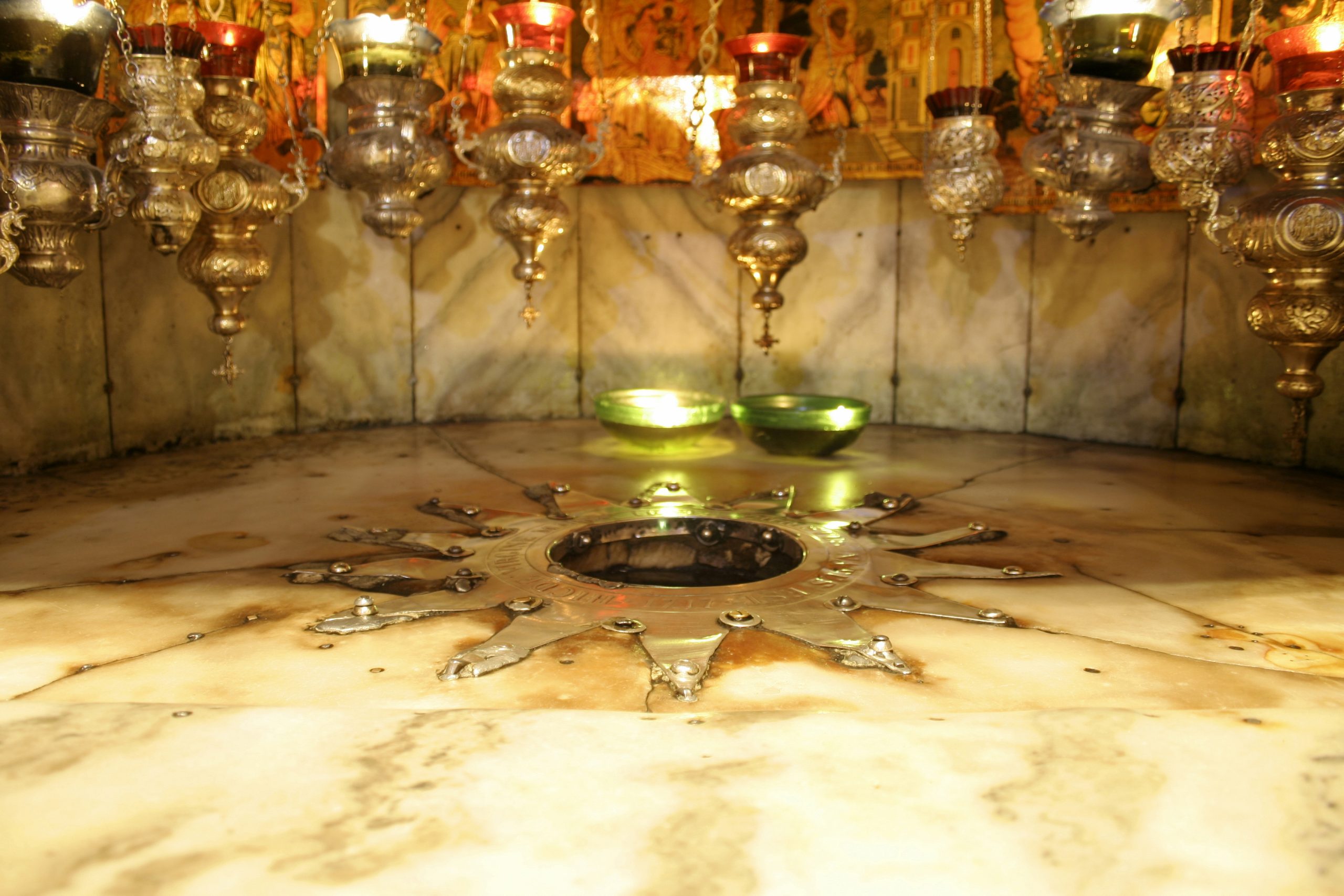
A 14-point silver star marks the spot where Jesus was born (inscription: “Hic de Virgine Maria Jesus Christus natus est”)
Thousands of ornate lamps hang above, donated by nations and denominations over centuries
For more information on planning your own Jerusalem and Bethlehem Tour, please refer to our additional resources.
We highly recommend reviewing the official tourism information regarding the Jerusalem and Bethlehem Tour to enhance your experience.
An altar marks the manger where Jesus was laid (3 meters away from the birth spot)
Your guide explains the theological significance (why Bethlehem? because Jesus had to be born in David’s city per prophecy; why a cave? because Bethlehem was crowded for the Roman census and caves were commonly used as stables).
Important: Visitor numbers inside the grotto are controlled. During peak times (Easter, Christmas, summer), you may have only 2-3 minutes inside. We time our arrival to avoid the worst crowds.
Dress appropriately for both sites during your Jerusalem and Bethlehem Tour to show respect for the local customs.
Travelers can connect their journey by adding our Jerusalem and Bethlehem Tour to a longer itinerary.
Consider combining the Jerusalem and Bethlehem Tour with other local experiences for a comprehensive grasp of the area.
Be sure to inquire about nearby tours that complement your Jerusalem and Bethlehem Tour.
Return Journey and Drop-Off
We return through the checkpoint to Jerusalem (or continue to Tel Aviv if that’s your drop-off point). The return drive takes 30-40 minutes. Your guide answers final questions and provides recommendations for the rest of your trip.
Drop-off is at your original pickup point unless you’ve requested otherwise (see supplements below for alternate drop-off locations). If you’re staying in Israel for multiple days, consider combining this tour with our Dead Sea and Masada day tour or Galilee and Nazareth tour for a comprehensive Holy Land experience.
Additional Resources and Practical Information
Official Tourism Information:
- Israel Ministry of Tourism – Comprehensive travel guides, safety updates, and destination information
- What to Wear in Jerusalem and Bethlehem: Religious sites enforce strict dress codes. Review our complete guide to modest dress in Israel before your tour.
Getting Around Israel: This tour includes hotel pickup from Jerusalem and Tel Aviv. For travelers arriving at Ben Gurion Airport, check our airport transfer options and Jerusalem accommodation guide.
Combine Multiple Tours: Maximize your time in Israel by booking multiple tours:
Eilat and Red Sea tours – Beach and underwater activities in southern Israel
Caesarea, Haifa, and Acre tour – Explore Israel’s Mediterranean coast
Jerusalem Old City walking tour – Deeper dive into the four quarters
Duration
1 Day
Tour Type
Day Tours in Israel
Group Size
50
Language
English, Spanish, French, German
Popular Features
- AC BUS
- Certified Tour Guide

Highlights
- Panoramic views from Mount of Olives – See the Old City, Temple Mount, and ancient Jewish cemetery
- Western Wall and Jewish Quarter – Walk the 1,500-year-old Byzantine Cardo
- Via Dolorosa pilgrimage route – Follow Jesus's footsteps with Stations of the Cross explained
- Church of the Holy Sepulchre – Visit the crucifixion site and tomb with priority access before crowds build
- Church of the Nativity in Bethlehem – See the silver star marking Jesus's birthplace and hear the Christmas story
- Hotel pickup from Jerusalem or Tel Aviv – No meeting point confusion, your guide collects you directly
- Licensed bilingual guide – English guaranteed plus second language (Spanish/French/German) most days
Included
- Hotel pickup and drop-off (Jerusalem, Tel Aviv, Herzliya – see pricing)
- Air-conditioned vehicle (minivan or coach depending on group size)
- Licensed English-speaking guide (second language most days: Spanish/French/German)
- Entry to Church of the Holy Sepulchre
- Entry to Church of the Nativity and Grotto
- Entry to Shepherds' Field chapel
- All checkpoint coordination and paperwork
Excluded
- Lunch and drinks (budget 40-70 NIS for a meal in the Old City)
- Gratuities for guide and driver (suggested: 40-60 NIS per person total)
- Personal expenses and souvenirs
- Travel insurance
- Optional donations at churches (some chapels have collection boxes)
Travel Itinerary
07:15 - Hotel pickup 07:15 from Tel Aviv, 07:00 from Herzliya, 08:30 from Jerusalem
09:00 - Mount of Olives panoramic photo stop and orientation
09:15 - Drive to Zion Gate, enter Old City
09:30 - Walk through Armenian Quarter to Jewish Quarter
09:45 - Byzantine Cardo explanation
10:00 - Western Wall (15 min personal time)
10:20 - Via Dolorosa walk begins at Lion's Gate
10:50 - Enter Church of the Holy Sepulchre
11:30 - Stone of Anointing, Calvary Chapel, Edicule viewing/queue
12:15 - Lunch break in Christian Quarter markets (40 min, own expense)
13:00 - Drive to Bethlehem checkpoint (20 min)
13:35 - Shepherds' Field chapel visit (15 min)
13:55 - Manger Square arrival
14:00 - Church of the Nativity exterior and history
14:10 - Grotto of the Nativity descent (10-15 min depending on queue)
14:30 - Optional: Milk Grotto visit (small chapel, 5 min walk)
14:45 - Return to checkpoint
15:15 - Drive back to Jerusalem/Tel Aviv
16:00 - Drop-off in Jerusalem
18:00 - Drop-off in Tel Aviv (depending on traffic)
Want to read it later?
Download this tour's PDF brochure and start your planning offline.
Frequently Asked Questions
Is this tour suitable for children?
Yes, children of all ages are welcome. Kids under 12 ride free (one per paying adult). The tour involves 3-4 km of walking over uneven stones and steps, which energetic kids 6+ usually handle fine. Bring snacks and water for younger children. Baby carriers work better than strollers (Old City has too many steps).
How much walking is involved?
Approximately 3-4 kilometers over 4-5 hours (with breaks). The terrain is ancient cobblestones, uneven paving, and stone steps. You'll climb 18 steps to Calvary Chapel and descend 14 steps into the Nativity Grotto. If you have mobility issues, inform us at booking – we can adjust the itinerary (e.g., skip the Cardo, take shorter routes).
Can I enter all the sites if I'm not Christian/Jewish/Muslim?
Yes, all holy sites on this tour welcome respectful visitors of all faiths and no faith. You just need to follow dress codes and behavioral norms (no loud talking, no flash photography where prohibited, no touching religious objects unless invited).
What if I want to spend more time at the Western Wall or Church of the Nativity?
Inform your guide at the start of the tour. You can stay behind at any site and skip the next site or rejoin later via taxi (at your expense). Most guests find the allocated times sufficient, but we understand personal prayer or reflection needs vary.
Is the tomb of Jesus really inside the Church of the Holy Sepulchre?
Christian tradition and modern archaeology agree this is the authentic site. In Jesus's time, this area was outside Jerusalem's walls (tombs had to be outside cities per Jewish law). The Church of the Holy Sepulchre is built over rock-cut tombs dating to the 1st century CE. The Romans buried Golgotha under a pagan temple in 135 CE, which early Christians remembered the location through. Constantine's builders in 326 CE excavated the pagan temple and found the tomb – the same one venerated today.
Can I buy souvenirs in Bethlehem?
Yes, Manger Square and the streets around the Church of the Nativity have dozens of shops selling olive wood carvings, mother-of-pearl items, ceramics, and icons. Prices are negotiable (expect to pay 50-70% of the first asking price). Popular items include olive wood nativity sets (50-300 NIS depending on size) and rosaries blessed at the grotto (20-60 NIS).
Do I need a visa for Bethlehem?
No separate visa is required. If your passport allows you to enter Israel, it allows you to enter Bethlehem. Citizens of the USA, Canada, EU, UK, Australia, and 90+ other countries enter visa-free and can visit Bethlehem with no extra paperwork. The checkpoint is a formality.
What if there's a security situation or unrest?
Booking-Tours monitors security daily. If the Israeli Ministry of Tourism or security forces advise against travel to Bethlehem, we modify the tour to spend extra time in Jerusalem (extended Old City tour, visit to Mount Zion, City of David, etc.) or offer a full refund. In 95% of cases, the tour operates as scheduled.
Can I add the Dead Sea or Masada to this tour?
Not on the same day (it would be 14+ hours and physically exhausting). We recommend booking our Masada and Dead Sea tour (link to internal product page) for the next day. We also offer a 2-day combination package (Jerusalem + Bethlehem day 1, Masada + Dead Sea day 2) at a discounted rate – inquire at booking.
Are meals included in the tour price?
No, lunch is at your own expense. Your guide will suggest restaurants in the Old City (budget 40-70 NIS for hummus, falafel, or shawarma). Alternatively, bring snacks. Water is provided on the vehicle.
How does hotel pickup work if I'm staying in an Airbnb?
Provide your Airbnb address at booking. If your address is in a pickup zone (most of Jerusalem, Tel Aviv, Herzliya, Netanya), the driver collects you from the front door. If your Airbnb is in a pedestrian-only area (common in Jerusalem's Old City), we'll confirm a nearby meeting point (usually Jaffa Gate or Damascus Gate).
What if I have dietary restrictions for lunch?
Jerusalem's Old City has options for every diet: kosher, halal, vegetarian, vegan, gluten-free. Your guide can recommend specific restaurants. Common options include hummus plates (naturally vegan), grilled chicken, salads, fresh juices, and pastries.
Can I book a private version of this tour?
Yes, private tours run daily for 1-8 passengers with flexible pickup times and customizable itineraries. For example, you can add the Mount Zion (Room of the Last Supper, King David's Tomb) or extend time at any site. Request a private quote at booking – typical prices range from $350 (1-2 people) to $700 (8 people).
Is tipping expected?
Tipping is customary in Israel for good service. Suggested amounts:
- Guide: 30-40 NIS per person
- Driver: 10-20 NIS per person
- Total: 40-60 NIS per person for the full day
You can tip individually or the group can pool tips and hand them to the guide at the end (he'll split with the driver). Tipping is not mandatory but appreciated.
Can I visit the Temple Mount / Dome of the Rock on this tour?
No, Temple Mount is not included in this itinerary due to:
- Very limited visiting hours (Sun-Thu 7:30-10:30am and 1:30-2:30pm only, closed Fri-Sat)
- Strict entry rules (no religious items, no prayer by non-Muslims, shoes off inside mosque)
- Frequent closures for security or Muslim holidays
We offer a separate Temple Mount and Dome of the Rock tour (link to internal tour page) on Wednesdays at 7:00am. It can be combined with this tour or booked standalone.
From 109.00 $
Book This Tour
Have a question in mind
Looking for more info? Send a question to the tour agent to find out more.
You might also like
Travel is my life. Since 1999, I have been traveling around the world nonstop. If you also love travel, you are in the right place!


