

Petra weather is sunny and pleasant in spring and autumn, cold and sometimes wet in winter, and hot but dry in summer. For most travelers, the best months are March to May and late September to November, when you can walk for hours without suffering in the heat. Petra sits high in the mountains of southern Jordan, so it is usually cooler than Eilat or Aqaba on the same day.
★ Add Booking-Tours as a preferred source on Google
This guide is part of our Petra and Jordan series. If you are still deciding how to get there, start with our complete guide to visiting Petra from Eilat, then come back here to plan around the weather. Our team crosses the border with guests almost every day, so what follows comes from the trail, not from a brochure.
Petra weather at a glance
| Key fact | Details |
|---|---|
| Location | Petra Archaeological Park, next to the town of Wadi Musa, in the mountains of southern Jordan |
| How long to spend | One full day covers the Siq, the Treasury, the Street of Facades and, for fit walkers, the Monastery. Two days give you a slower pace. |
| Best time | March to May and late September to November |
| Hottest months | July and August |
| Wettest months | December to February, with flash-flood risk from late autumn to early spring |
| How to get there | Guided day tours from Eilat via the Arava crossing, or from Aqaba, Amman, Tel Aviv and Jerusalem |
| What it costs | See tour prices below. Petra 1-day entrance is 130 USD per person at the time of writing and can change. |
| Booking tip | In summer, choose an early start. From November to March, pack a warm layer and check the forecast. |
Petra temperature month by month
The table below shows typical daytime highs and nighttime lows in Wadi Musa, the town at the Petra entrance. These are rounded, approximate long-term averages, not a forecast. Any single week can be warmer or colder, so check the forecast from the Jordan Meteorological Department a few days before your trip.
| Month | Average high | Average low | What it feels like on the trail |
|---|---|---|---|
| January | 12°C / 54°F | 2°C / 36°F | Cold mornings, possible rain, rare snow |
| February | 14°C / 57°F | 3°C / 37°F | Cool and crisp, some rainy days |
| March | 17°C / 63°F | 6°C / 43°F | Fresh mornings, warm sun at midday |
| April | 22°C / 72°F | 9°C / 48°F | Excellent walking weather |
| May | 27°C / 81°F | 13°C / 55°F | Warm and sunny, start early |
| June | 30°C / 86°F | 16°C / 61°F | Hot at midday, very dry |
| July | 32°C / 90°F | 18°C / 64°F | Hottest month, shade matters |
| August | 32°C / 90°F | 18°C / 64°F | Hot and dry, much like July |
| September | 29°C / 84°F | 15°C / 59°F | Hot early in the month, easing later |
| October | 25°C / 77°F | 11°C / 52°F | Very pleasant, first rain possible |
| November | 19°C / 66°F | 7°C / 45°F | Mild days, cold evenings, flood risk |
| December | 14°C / 57°F | 4°C / 39°F | Cool, the wetter season begins |
The averages hide two things. First, the dry desert air makes the sun feel stronger than the number suggests. Second, the gap between morning and afternoon is big, often 10°C or more, so a winter morning that starts at freezing can turn into a sunny lunch.
The Siq itself stays shaded for much of the day and feels cooler. The open valley around the Royal Tombs and the trail up to the Monastery have very little shade, and that is where Petra weather really tests you.
Weather in Petra Jordan, season by season
Spring: March to May
Spring is our favorite time to guide. The hills turn slightly green after the winter rain, wildflowers appear beside the trail, and the sandstone glows in soft light. April is close to perfect, with warm days and cool mornings.
Spring is also busy, so expect more groups at the Treasury. Early March can still bring a cold, wet day, so do not pack only summer clothes.
Summer: June to August
Summer weather in Petra Jordan is hot and almost always dry. Rain is very rare, and skies are usually clear. The heat is manageable in the morning and tough between late morning and mid-afternoon.
If you visit in summer, the key is timing. Walk the Siq early, rest in the shade at midday, and only climb to the Monastery if you are fit and carrying plenty of water. Many guests are surprised that Petra feels less sticky than Eilat or Aqaba, because the mountain air is drier.
Autumn: September to November
Autumn is the second best season. September can still feel like summer, but by October the Petra temperature is ideal for long walks. The light in late afternoon is beautiful on the rock faces.
November brings shorter days and the first real chance of heavy rain. It is still a great month to visit, but this is when we start watching the forecast closely for flash floods.
Winter: December to February
Winter is quiet, cool and often bright. On a clear January day you may have the Street of Facades almost to yourself. Mornings are cold, and evenings in Wadi Musa can drop close to freezing.
Rain falls on a limited number of days, but when it comes it can be heavy. Light snow is rare, though it has fallen in Petra and the surrounding mountains in some cold winters. If you love quiet trails and do not mind a jacket, winter is very rewarding.
Rain and flash floods: when Petra weather closes the site
Petra is a desert city cut into rock, and rock does not absorb water. When a heavy storm hits the mountains, rainwater rushes down narrow valleys and gorges very fast. The Siq, the main entrance path, is exactly this kind of gorge.
The Nabataeans who built Petra knew this. They carved dams, channels and cisterns to control and store water, and a modern dam near the Siq entrance now diverts floodwater away from the main path. Even so, the authorities close the site or evacuate visitors when a dangerous storm is expected. In November 2018, for example, thousands of visitors were evacuated during a flash flood.
Here is what we tell our guests about rain and floods:
- Most flood risk falls between late autumn and early spring. Summer floods are very rare.
- A storm far away can cause a flood where you stand. Dark clouds over the mountains matter, even if the sky above you is clear.
- Always follow rangers and your guide. If they say leave, leave right away, and do not wait to take photos.
- Do not walk into side canyons on your own during the wet season. Stay on the main routes unless you are with a licensed guide.
- Closures are usually short. The site often reopens once the water has passed and the paths are checked.
If Petra is closed on your tour date, message us and we will explain what options exist for your booking. Our day tours have free cancellation up to 36 hours before the start time. Tours that include flights or hotels are non-refundable, so in winter it is worth checking the long-range forecast before you book a flight package.
What to wear for Petra weather
Dressing well for Petra weather makes a bigger difference than most people expect. You will walk on sand, smooth stone and uneven steps for most of the day. Layers are the answer in every season except high summer.
- Shoes: Closed walking shoes or light hiking shoes with good grip. Sandstone steps get slippery when wet or dusty. Leave flip-flops in the hotel.
- Spring and autumn: A T-shirt, a light long-sleeve top or fleece for the morning, and comfortable trousers.
- Summer: Light, loose, breathable clothes that cover your shoulders. A wide-brim hat, sunglasses and high-factor sunscreen are essential.
- Winter: A warm jacket, a fleece, and a waterproof shell if rain is forecast. Gloves and a hat help on early mornings.
- Bag: A small backpack with water, snacks, a scarf for sun or wind, and tissues.
Petra has no strict dress code, but Jordan is a conservative country. Clothes that cover your shoulders and knees are respectful and also protect you from the sun. For more on local customs, money and tipping, read our local guide to traveling in Jordan.
How to time your day around the Petra temperature
On a day tour from Eilat or Aqaba, you arrive at Petra after the border and the drive, not at sunrise. That means good planning inside the site matters. Your guide will set the pace, but you can help yourself.
- Walk the Siq with energy. It is shaded and downhill on the way in, so this is the easy part.
- Rest at midday in summer. Find shade near the Treasury or the restaurants in the main valley, and refill water.
- Decide on the Monastery honestly. The climb has hundreds of rock steps with little shade. In July and August, only go if you are fit and have time to return without rushing.
- Save energy for the walk out. The Siq is uphill on the way back, and many guests find this the hardest part of the day.
- Watch the light in winter. Days are short, so do not start a long side trail in the afternoon.
Drink before you feel thirsty. We suggest carrying at least 2 liters of water in warm months. If you have more than one day, add Little Petra and its Painted House, which is a short, shaded visit, or a night in the Wadi Rum desert, where nights are cold even in spring.
Planning your visit in 2027
If you are looking up petra weather 2027 because your dates are fixed, the simple advice is this: any month works with the right clothes and timing. If your dates are flexible, aim for April, May, October or early November.
Costs and rules change, so treat these as current at the time of writing, not confirmed for 2027. Petra 1-day entrance is 130 USD per person. On our Israel to Jordan tours, Jordan border and visa fees are 140 USD per person in total, and you can pre-pay them on the booking form so you do not need cash at the border. Check the official Petra Development and Tourism Region Authority site for the latest tickets and opening hours.
Before you book, read our guides to crossing the Israel Jordan border and to when a Jordan Pass saves you money. On tours from Israel, the pass does not always make sense, and the guide explains why.
On safety, as of November 2026, Petra and southern Jordan continue to receive international visitors, and the site is run by the Jordanian authorities with rangers on duty. Conditions in the region can change, so check your own government's travel advice before you book and again a few days before you travel, for example the US State Department page for Jordan.
Comparing Petra tours for every season
Every tour below includes a guided visit to Petra. The best choice depends on where you start, how much flexibility you want, and the season. Private tours let you change the pace on a hot or rainy day, which is a real advantage.
- Petra day tour from Eilat with border assistance: Best for travelers staying in Eilat who want a guided group day. Duration 12 hours. From $261 per adult.
- Private Petra day tour from Eilat with guide and lunch: Suits families, couples and slower walkers who want their own guide and pace, ideal in summer heat. Full day with 08:00 hotel pickup. From $320 per adult.
- Petra day tour from Aqaba with a horse ride: Good for cruise and beach visitors already in Jordan. Pickup at around 09:00. Full day. From $190 per adult.
- Private Petra tour from Aqaba with skip-the-line entry: Suits travelers in Aqaba who want an air-conditioned car and no group schedule. Full day. From $230 per adult.
- Petra day tour from Tel Aviv by flight: Best for visitors based in central Israel who want Petra in one day without an overnight bus. Full day. From $400 per adult.
- Petra tour from Jerusalem with flights and lunch: Suits pilgrims and travelers staying in Jerusalem. Full day. From $540 per adult.
Our guides speak English. In Petra, local Spanish and French-speaking guides are free, and German, Italian and Russian-speaking guides cost a small flat fee per booking. For a deeper comparison, see our guide to choosing the best Petra tour.
Tours that include Petra Weather
Live prices and dates, hotel pickup on most tours, and a local team in Eilat that answers on WhatsApp.
 Petra Day Tour from Tel AvivFrom $400View tour
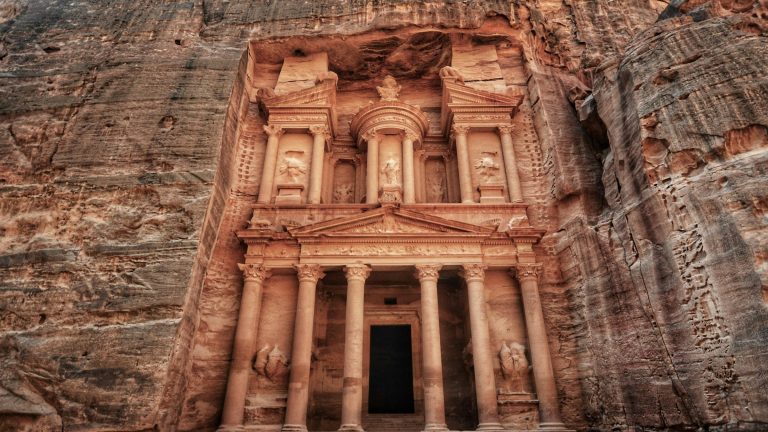 Petra Day Tour from Jerusalem with Flights from Tel AvivFrom $540View tour
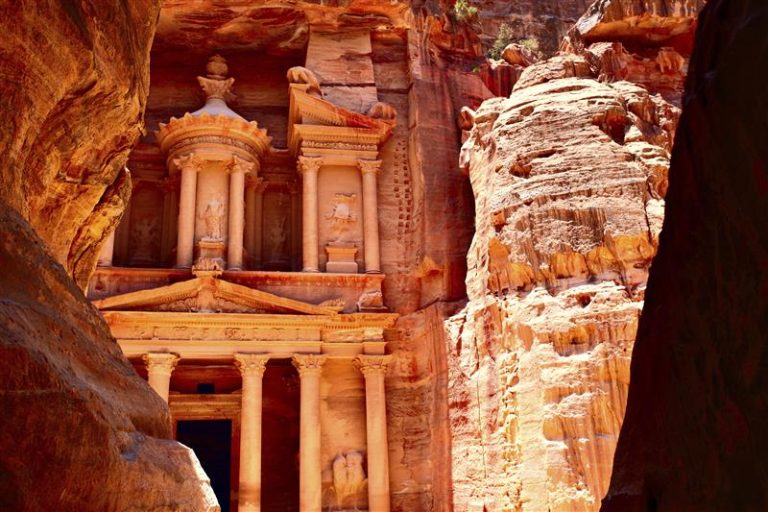 Private Petra Day Tour from Tel Aviv with FlightsFrom $545View tour
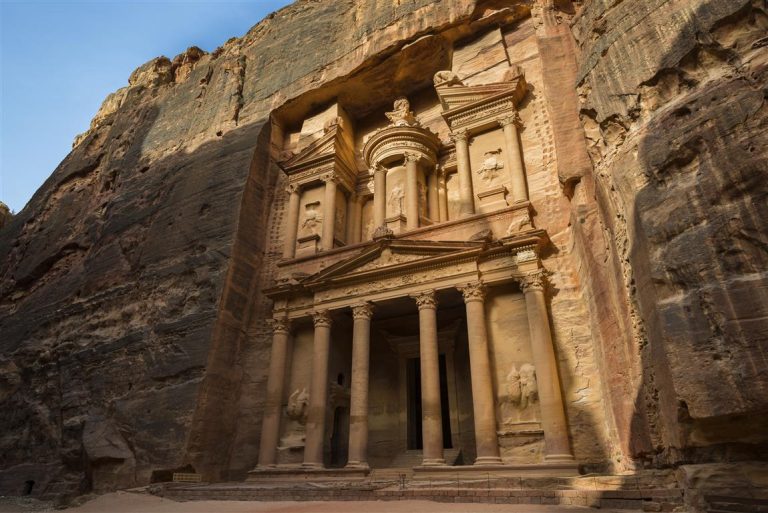 Private VIP Petra 2 Day Tour from EilatFrom $420View tour
 Petra and Wadi Rum 2 Day Tour from EilatFrom $499View tour
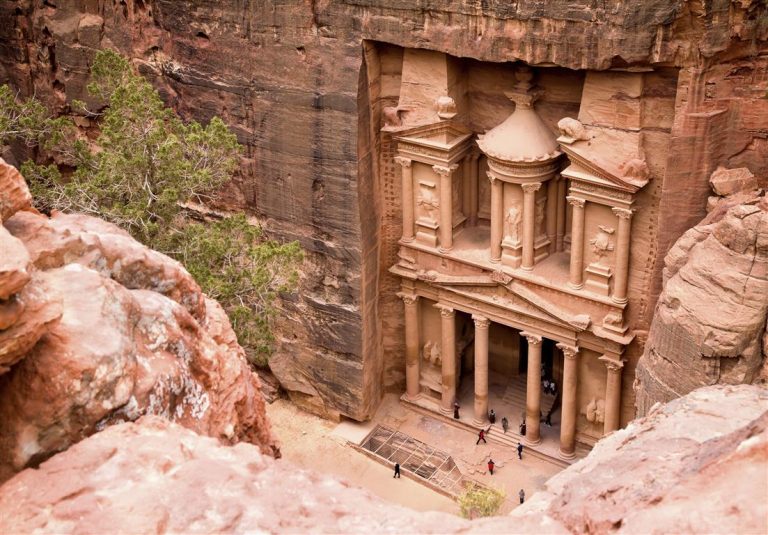 Petra Tour from Tel Aviv by Flight with Overnight in EilatFrom $500View tour
Frequently asked questions about Petra weather
What is the best month to visit Petra?
April and October are usually the best months, with warm days and cool mornings. March, May and November are also very good. If you prefer fewer crowds and do not mind cold mornings, December to February can be lovely on dry days.
How hot does Petra get in summer?
In July and August, typical daytime highs are around 32°C (90°F), and some days are hotter. The air is dry, and the open areas have little shade. Start early, wear a hat and carry plenty of water.
Does it snow in Petra?
Snow is rare but possible in cold winters, usually in January or February. When it happens, it is often light and melts quickly. Rain and cold wind are far more common winter conditions.
Is Petra closed when it rains?
Light rain does not close Petra. Heavy storms can cause flash floods, and the authorities may close the site or evacuate visitors for safety. Closures are usually short, and your guide will follow the rangers' instructions.
Is Petra worth visiting in winter?
Yes, if you dress warmly. Winter Petra weather often means clear skies, soft light and quiet trails. Pack a warm jacket and a rain shell, and keep your plans flexible in case of storms.
What should I wear to Petra?
Wear closed walking shoes, layers and clothes that cover your shoulders and knees. Add a hat and sunscreen in summer, and a warm jacket in winter. Modest clothing is respectful in Jordan and helps protect you from the sun.
Can you visit Petra from Eilat in one day?
Yes. Our Petra tour from Eilat takes about 12 hours, including the Arava border crossing, the drive and a guided visit. It works in every season, though spring and autumn are the most comfortable for walking.
Is Petra cooler than Eilat and Aqaba?
Yes, Petra is usually noticeably cooler because it sits high in the mountains. A warm beach day in Eilat can feel fresh or even cold in Wadi Musa, especially in the morning. Always bring one extra layer, even in spring.
Keep planning
More travel guides for this trip
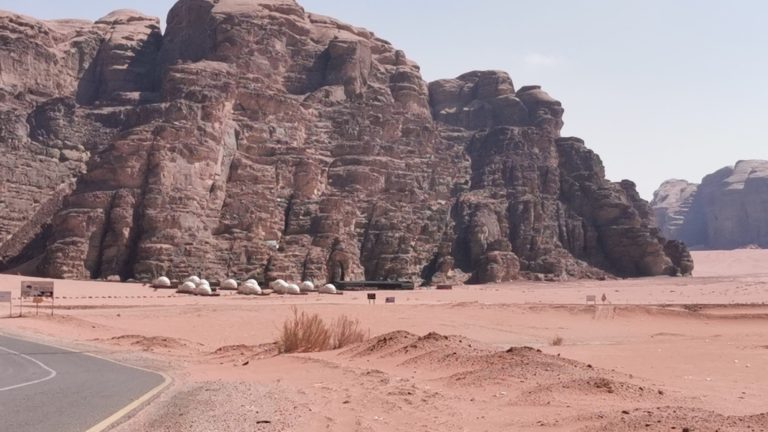 Petra & JordanWadi Rum Camp 2027: A Local Guide to Bedouin Tent Nights, Jeep Tours and Petra Combos from EilatRead the guide →
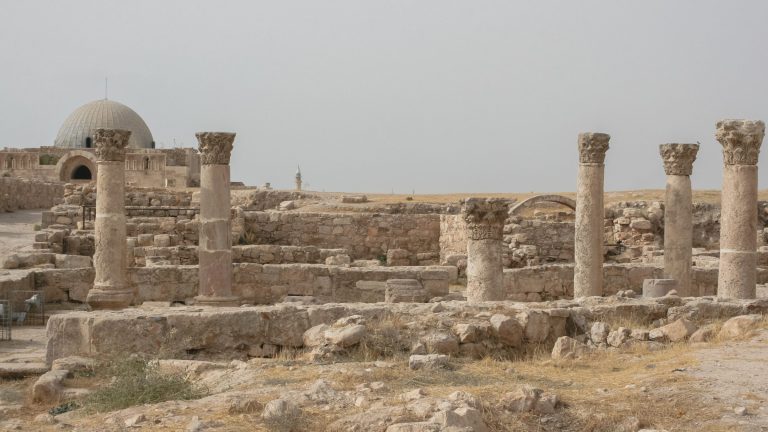 Petra & JordanThings to Do in Amman 2027: A Local Guide to the Citadel, Roman Theatre, Food and Day Trips to Petra and JerashRead the guide →
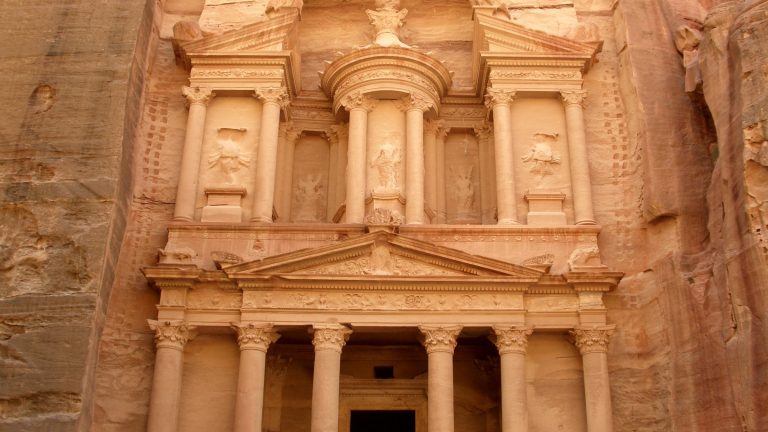 Petra & JordanJordan Tour Packages 2027: Comparing 4 to 8 Day Trips to Petra, Wadi Rum and the Dead Sea, from Local GuidesRead the guide →
Plan your trip
Good Petra weather is easy to find if you pick the right month and pack the right layers, and our guides take care of the rest. If you are staying in Eilat, our full-day Petra tour from Eilat handles the border, the drive and the guiding, so you can focus on the Treasury and the Siq. Tell us your dates and we will tell you honestly what weather to expect.
Message us on WhatsApp at 08-6338361 (international +972 8-633-8361) or email [email protected]. For more ideas, browse our Petra and Jordan tours and guides or the full Booking-Tours travel guide.
Cover photo: Britchi Mirela, CC BY-SA 4.0, via Wikimedia Commons