

Petra and Jordan Travel Guide: Best Tours and Things to Do
What Is Petra?
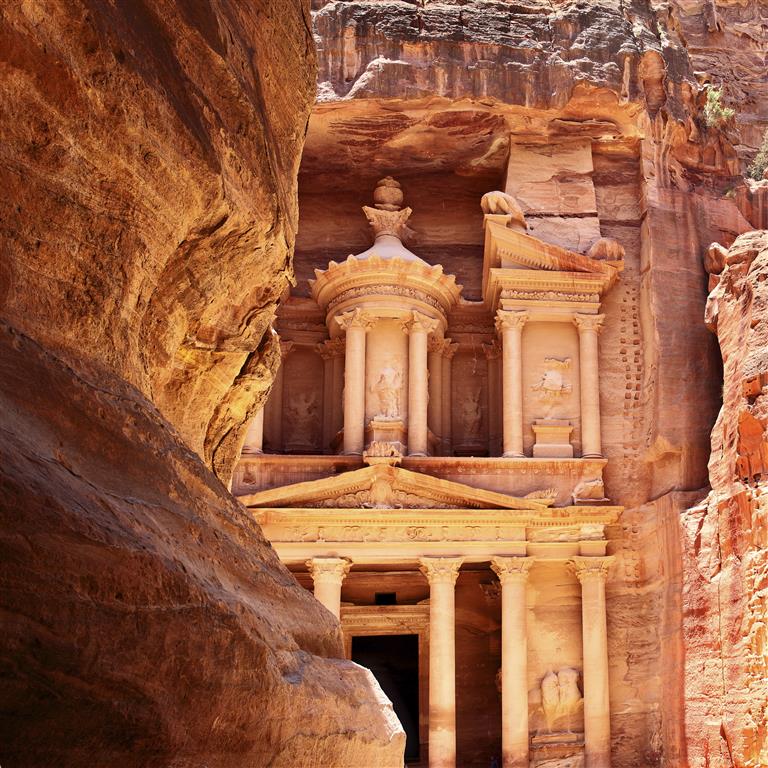
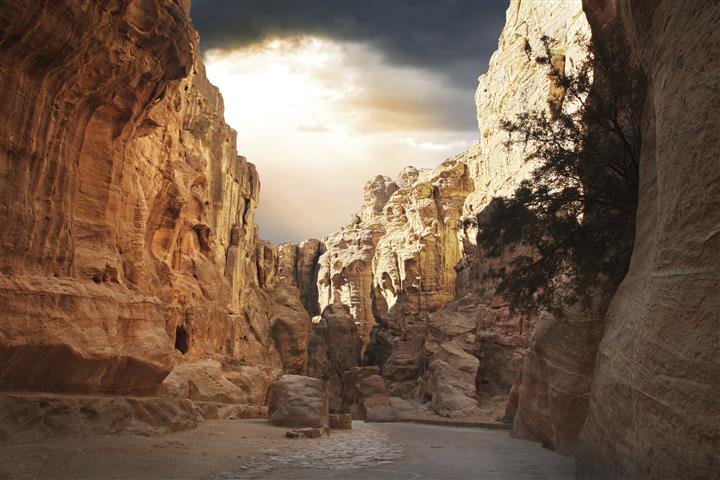
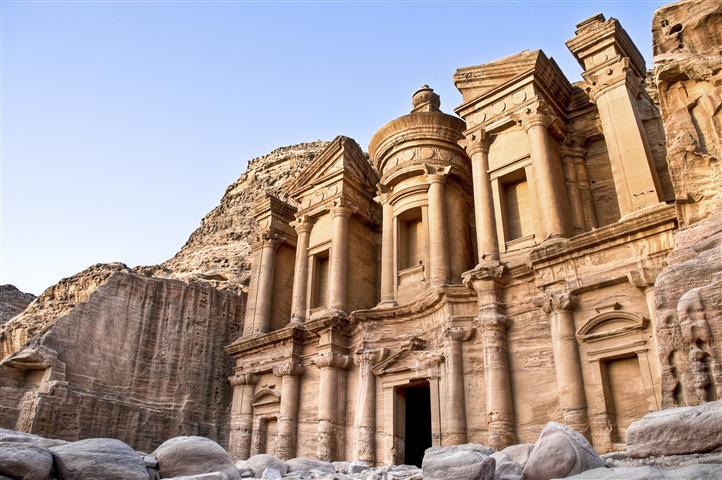
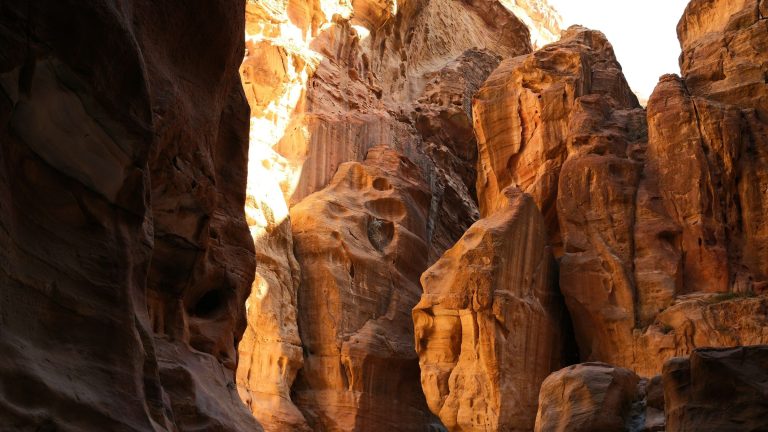
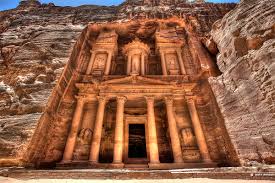
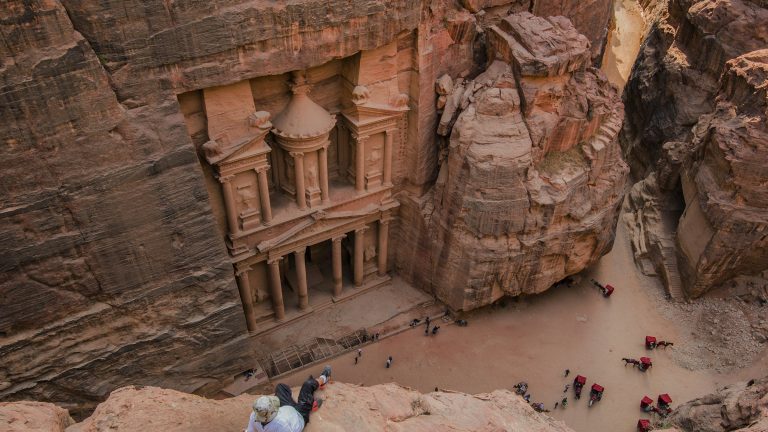
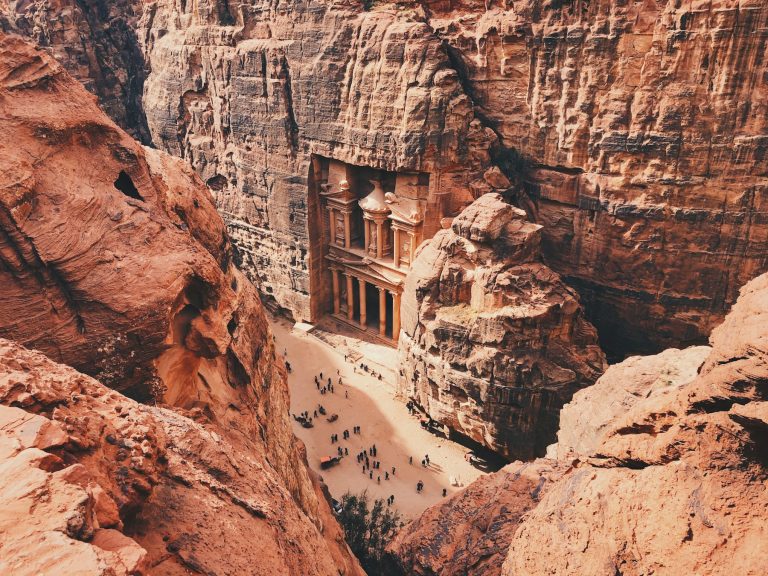
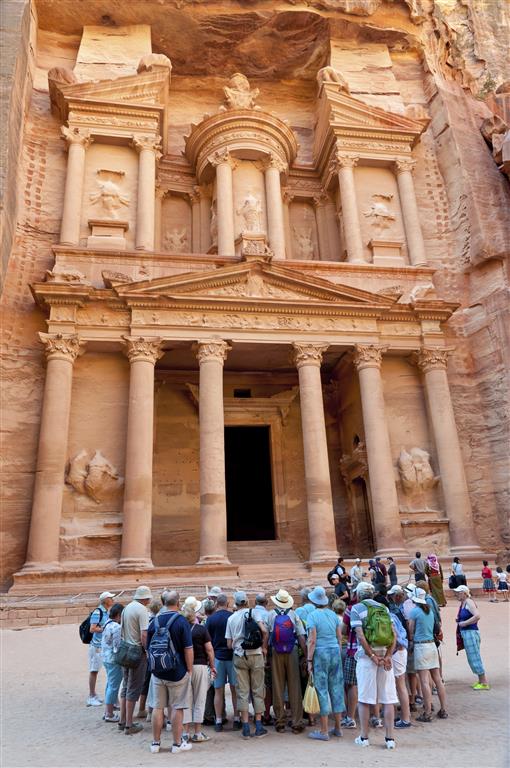
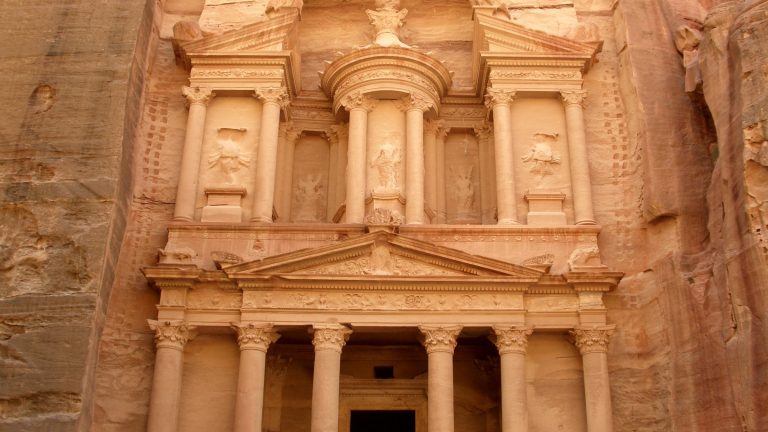
Petra is a 2,000-year-old city carved into the rose-red cliffs of southern Jordan by the Nabataeans, a desert people who controlled the incense trade. You walk in through the Siq, a gorge over a kilometer long, until the Treasury (Al-Khazneh) appears between the rock walls. Beyond it lie the Street of Facades, the Royal Tombs, a Roman-style theater, the Great Temple and, up 800 steps, the Monastery. Petra is a UNESCO World Heritage Site and one of the New Seven Wonders of the World, and from Eilat it is only about 2 hours away.
Why Visit Petra and Jordan
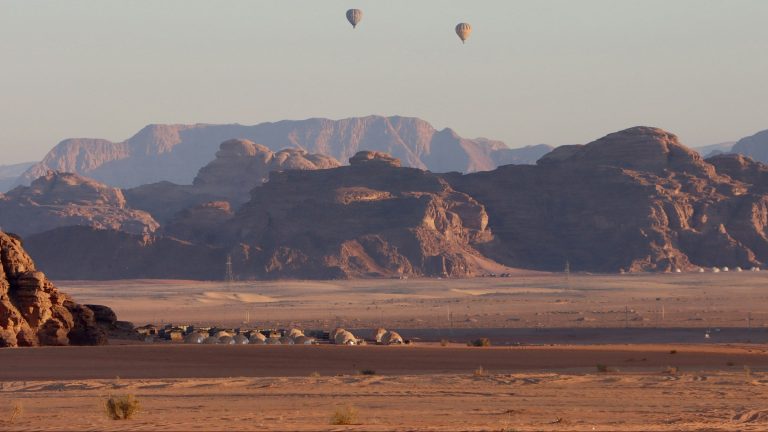
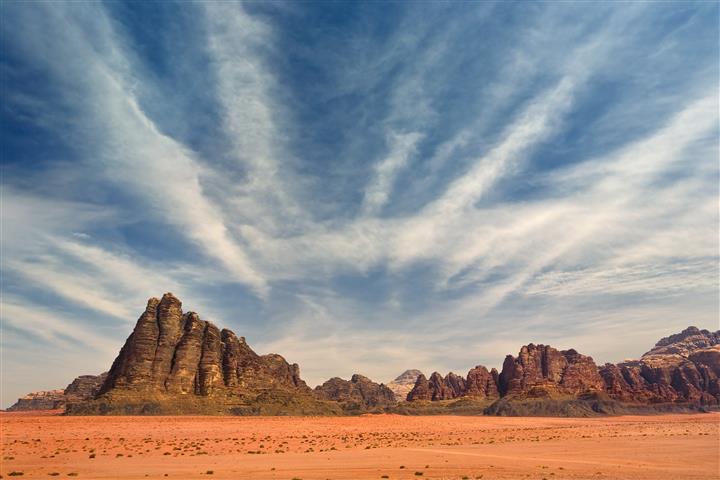
Petra is unlike anywhere else on earth: a whole city of temples, tombs, and a treasury carved straight into rose-colored sandstone, reached through a narrow canyon called the Siq. Beyond Petra, southern Jordan opens into Wadi Rum, the vast red desert of towering rock formations and Bedouin camps. From Israel, both are surprisingly close. Eilat sits right on the border, and even from Tel Aviv a 2-day tour reaches Petra comfortably. We handle the border crossing, the visa and border fee, and the guiding, so you focus on the wonder, not the paperwork.
| Best known for | Petra (the Treasury, the Monastery), Wadi Rum desert |
|---|---|
| UNESCO status | Petra is a UNESCO World Heritage Site |
| How to visit | Day trip from Eilat, Amman or Aqaba; 2 to 4-day tours from Eilat or Tel Aviv; 8-day Jordan tours from Amman |
| Border fee | $140 total, payable in advance to fast-track the crossing |
| How long to spend | 1 long day for Petra; 2 days to add Wadi Rum |
| Closest Israeli base | Eilat, minutes from the Wadi Araba crossing |
Petra and Jordan Tours
Guided day trips and 2-day tours to Petra and Wadi Rum, with border crossing handled.
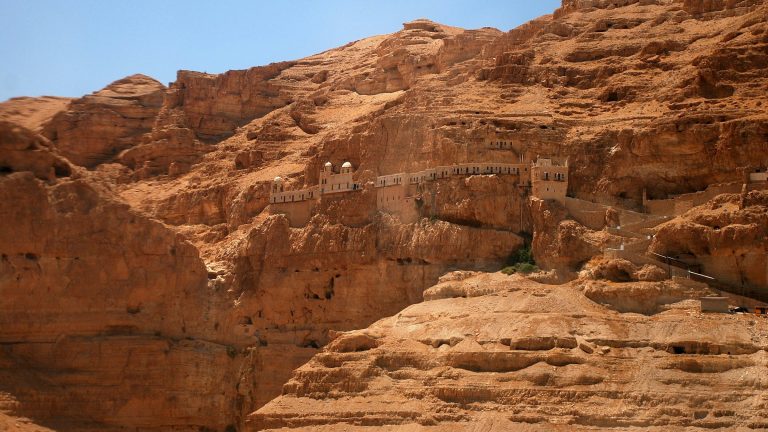
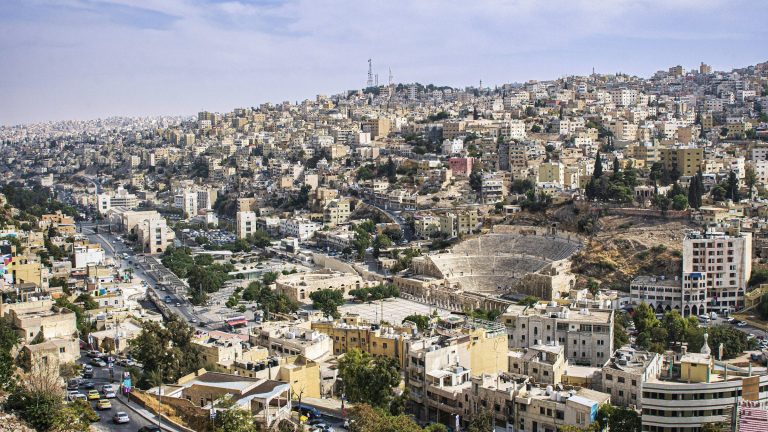
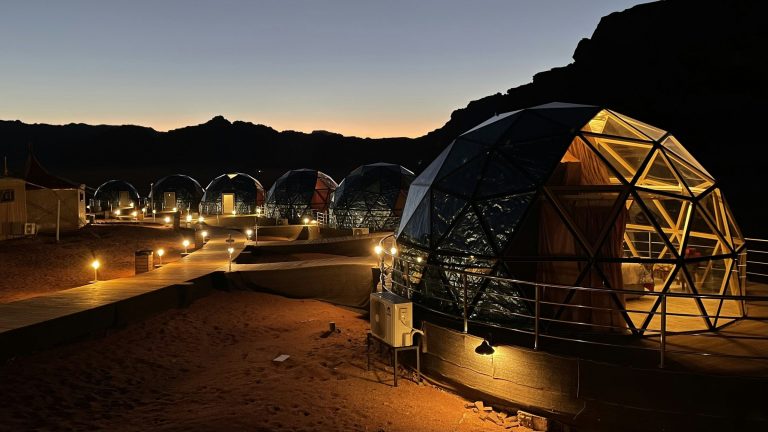
Petra Tours from Amman and Aqaba
Already in Jordan? Day trips and multi-day tours to Petra and Wadi Rum with hotel pickup in Amman or Aqaba.
Petra and Jordan Travel Guide
Petra and Jordan Travel. Guides to visiting Petra, crossing the border, and exploring Wadi Rum.
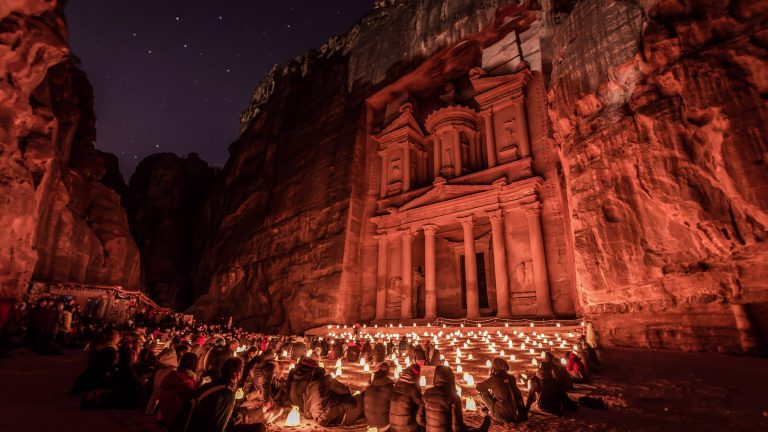
Petra by Night 2027: Which Nights It Runs, What It Is Really Like and How to Fit It into Your Jordan Trip
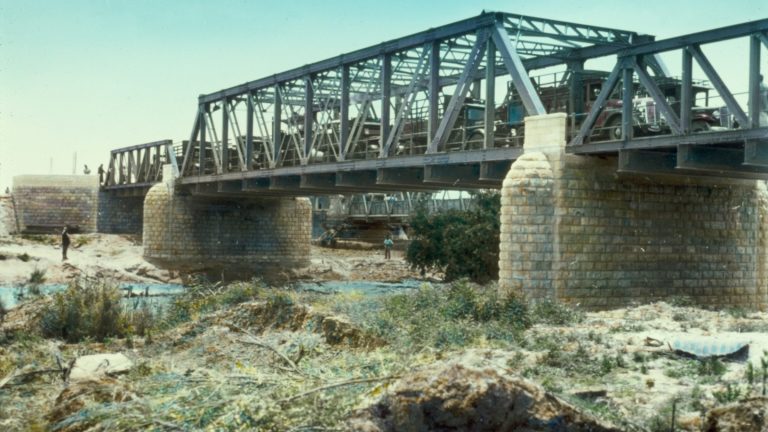
Allenby Bridge 2027: A Local Guide to the King Hussein Crossing, Visa Rules, Hours and Easier Routes via Eilat
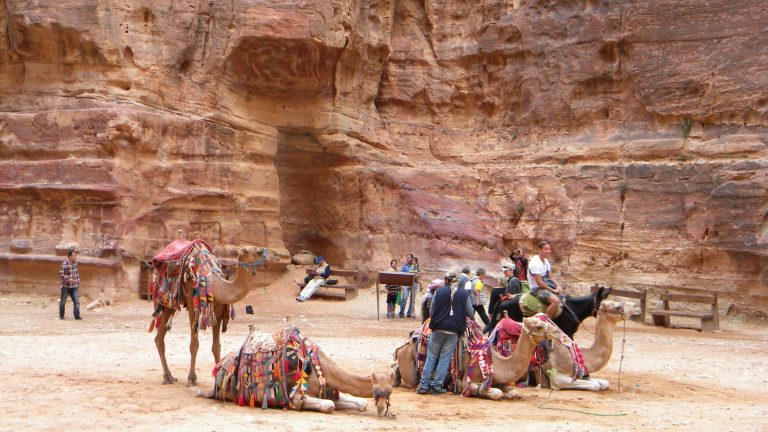
Petra Weather in 2027: A Local Guide to Monthly Temperatures, Rain, Flash Floods and What to Wear
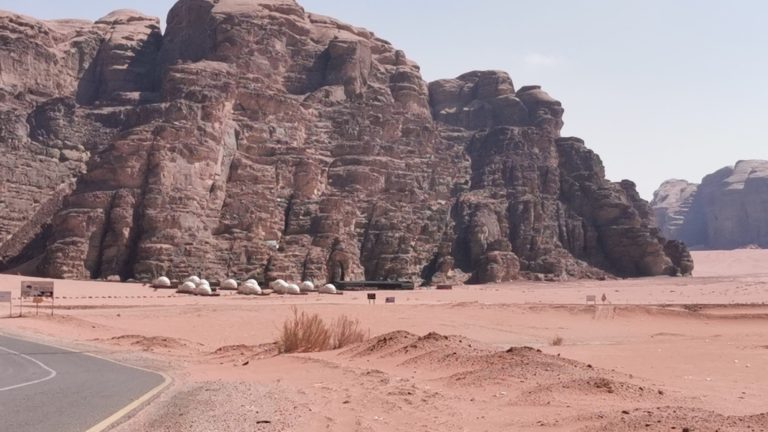
Wadi Rum Camp 2027: A Local Guide to Bedouin Tent Nights, Jeep Tours and Petra Combos from Eilat
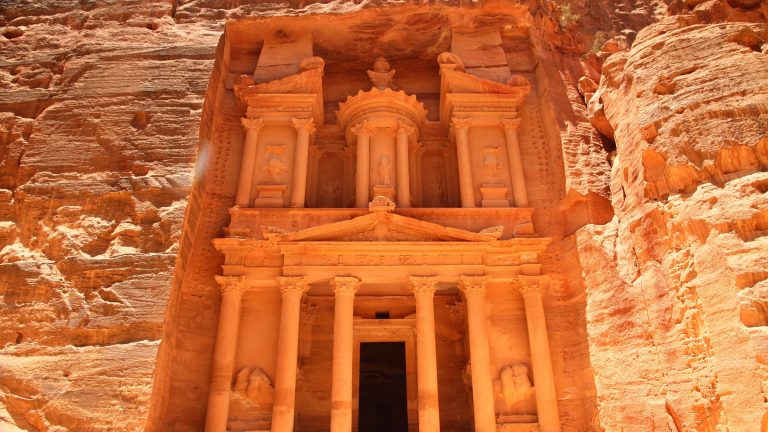
Jordan Pass 2027: When It Saves You Money, When It Does Not, and How It Works on Tours from Israel
Jordan Tour Packages 2027: Comparing 4 to 8 Day Trips to Petra, Wadi Rum and the Dead Sea, from Local Guides
Traveling to Jordan in 2027: A Local Guide to Visas, Money, Tipping, Dress, Safety and Getting Around
Petra from Amman: How to Get There, Day Trip or Overnight, and Which Tour to Choose
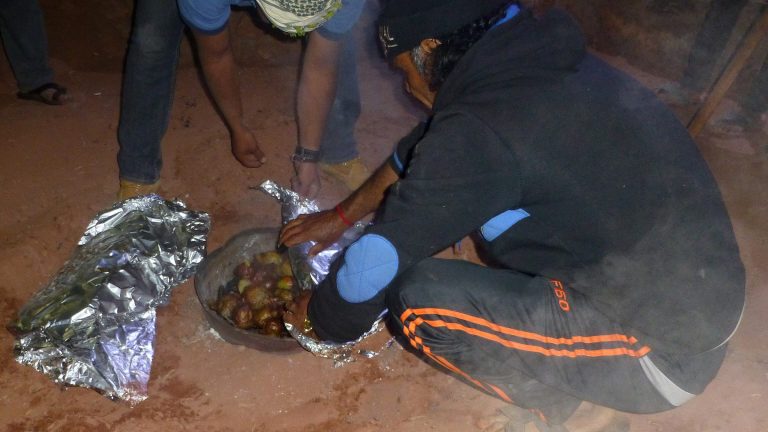
Jordanian Food: A Local Guide to Mansaf, Zarb in Wadi Rum and the Dishes Worth Traveling For
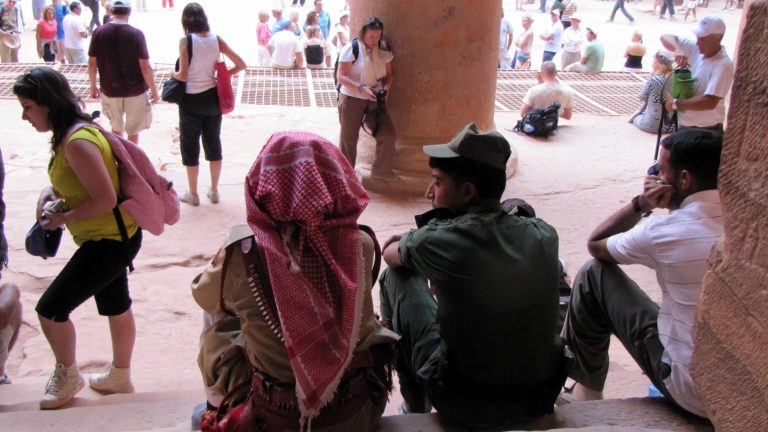
Best Petra Tours: How to Choose the Right Petra Day Trip from Eilat, Aqaba, Amman, Tel Aviv or Jerusalem

Israel Jordan Border Crossing: The Complete 2027 Guide

How to Visit Petra from Eilat: The Complete 2027 Guide
Around Petra and Jordan
Complete visitor guides to the landmarks and desert wonders in and around Petra and Jordan.
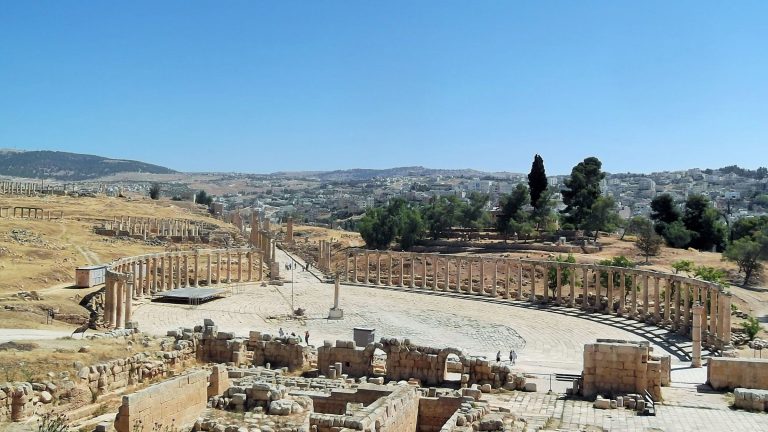
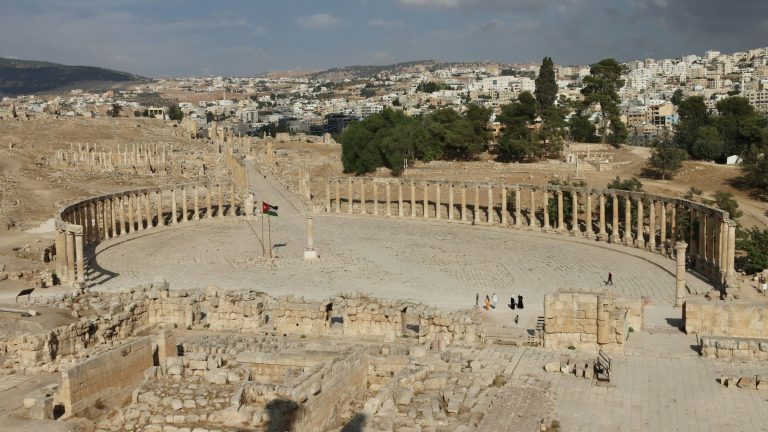
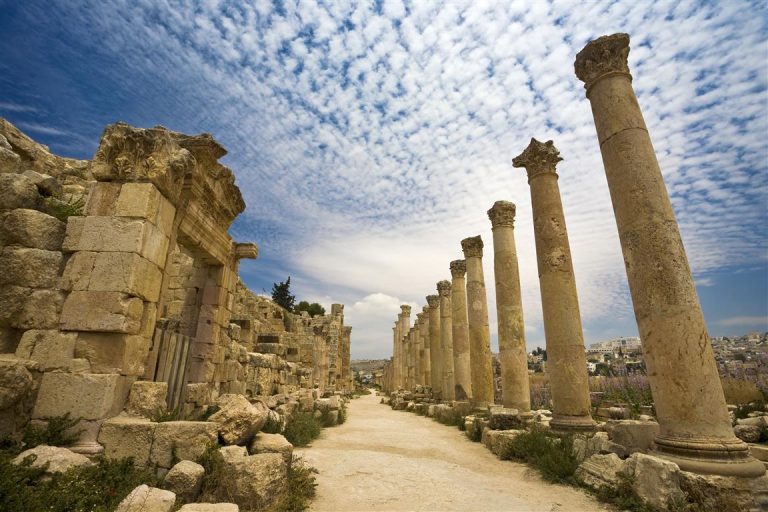
Jerash 2027: A Local Guide to Jordan’s Roman City, What to See, How Long to Stay and Tours from Amman or Israel
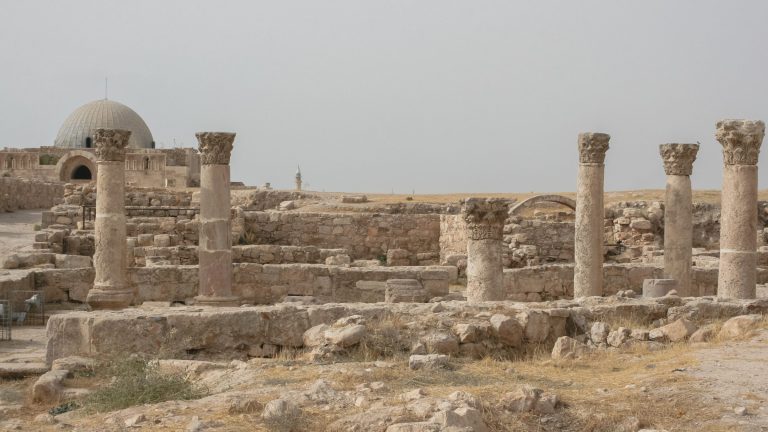
Things to Do in Amman 2027: A Local Guide to the Citadel, Roman Theatre, Food and Day Trips to Petra and Jerash
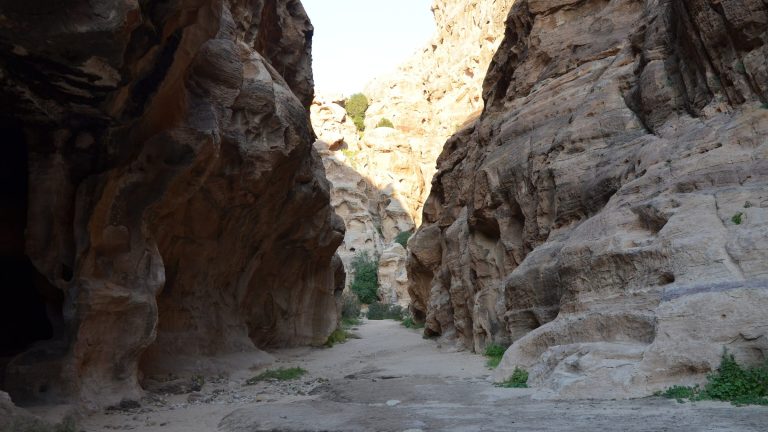
Little Petra 2027: A Local Guide to Siq al Barid, the Painted House and How It Differs from Petra
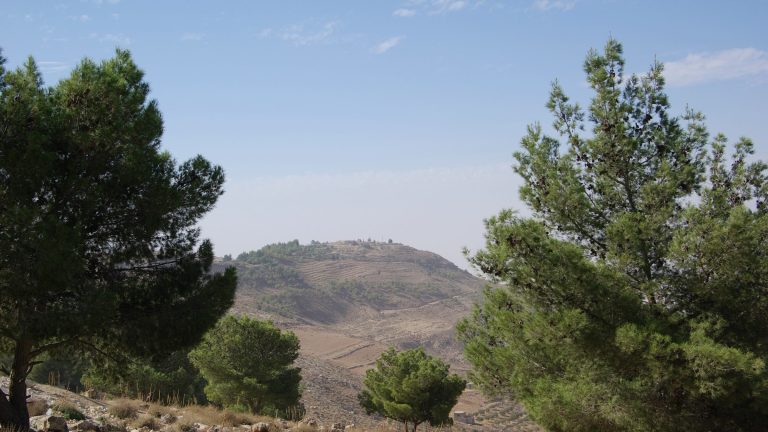
Mount Nebo 2027: A Local Guide to the Moses Memorial, Madaba and the Dead Sea from Amman

Wadi Rum: A Complete Guide to Jordan’s Desert Wonder
Planning Your Petra Trip
Day trip or 2-day tour: A single day from Eilat covers the highlights of Petra. To walk the full site at a relaxed pace and add Wadi Rum, choose a 2-day tour. From Tel Aviv, Petra is a 2-day trip.
Crossing the border: The total border and visa fee is $140. Pre-pay it when booking to use the fast-track lane. We handle the crossing on both sides.
What to bring: Sturdy walking shoes, sun protection, water, and your passport. Petra involves a lot of walking on uneven ground.
Petra and Jordan FAQ
What is Petra and why is it famous?
Petra is an ancient city carved into rose-red sandstone cliffs in southern Jordan, built by the Nabataeans, a desert people who grew rich on the incense and spice trade. You enter through the Siq, a narrow gorge over a kilometer long, which opens onto the Treasury (Al-Khazneh). Petra has been a UNESCO World Heritage Site since 1985 and was named one of the New Seven Wonders of the World in 2007.
How old is Petra, and is it older than the pyramids?
No, the pyramids are much older. The Great Pyramid of Giza was built around 2560 BC, while Petra grew into the Nabataean capital from around the 4th century BC, and the Treasury facade was carved in the 1st century AD. People lived in the Petra area long before that, but the monuments you visit are about 2,000 years old.
Who found Petra?
Petra was never lost to the local Bedouin, who lived in and around its caves for centuries. It was “rediscovered” for the West in 1812 by the Swiss explorer Johann Ludwig Burckhardt, who entered disguised as a traveler on his way to sacrifice a goat at the tomb of Aaron.
Does anyone live in Petra today?
Not inside the archaeological park. The Bdoul Bedouin families who lived in Petra’s caves were moved to the nearby village of Umm Sayhoun in 1985, when Petra became a UNESCO site. Many of them still work in Petra as guides, horse and donkey handlers and stall owners, so you will meet them on your visit.
Why did Petra decline?
Several reasons came together. Trade moved from desert caravan routes to the Red Sea and the Nile, the Romans annexed the Nabataean kingdom in AD 106, and a major earthquake in AD 363 destroyed much of the city. By the early Middle Ages Petra was almost empty.
Which prophet is buried in Petra?
Tradition places the tomb of Aaron, the brother of Moses, on Jabal Haroun (Mount Hor), the highest peak in the Petra area, with a small white shrine on the summit. The town next to Petra, Wadi Musa (the Valley of Moses), is named after the spring where Moses is said to have struck the rock. You can visit the shrine on our Petra and Aaron’s Tomb 2 Day Tour.
Is Petra mentioned in the Bible?
Not by the name Petra. The region belonged to biblical Edom, and some scholars link Petra with Sela, mentioned in the books of Kings and Isaiah. There is no record that Jesus visited Petra. The apostle Paul writes that he went to “Arabia” after his conversion, which many historians read as the Nabataean kingdom.
Can you go inside the Treasury?
No. The inside of the Treasury has been closed to visitors for years to protect it, and behind the facade there is only a plain carved chamber. The facade itself, about 40 meters high, is the highlight. For a view from above, the Al-Khubtha trail leads to a viewpoint over the Treasury and fits well on a 2 day visit.
How much is the Petra entrance fee?
Visitors who stay at least one night in Jordan pay 50 JD for 1 day, 55 JD for 2 days and 60 JD for 3 days. Day visitors who do not stay overnight pay 90 JD (about $127). Petra by Night is a separate ticket.
Our take: all our Petra tours from Eilat and Tel Aviv include the Petra ticket in the price, so you do not need to buy it at the gate.
Can you visit Petra on a day trip from Israel?
Yes. From Eilat it is a full day of about 12 hours with the Petra day tour from Eilat. From Tel Aviv or Jerusalem we add return flights to Ramon Airport, so you are back the same night. For more time inside Petra, choose a 2 day Petra tour from Israel.
How much is the border and visa fee?
About $140 per person in total for the Israeli exit fee and the Jordanian side, paid in cash at the border or pre-paid when you book to skip the exchange booth. Fees can differ for some passports, including Israeli ones, so tell us your nationality when you book.
Is it safe to visit Petra right now?
The route from Eilat to Petra is one of the most established tourist corridors in the region, with tourist police at the site and an organized border terminal. Visitor numbers are still well below the 2023 peak, which means a quieter Petra. Check your own government travel advice before you book.
How much walking is involved at Petra?
A lot. The walk from the visitor center through the Siq to the Treasury is about 2 km, and the main trail to the Great Temple adds more. The Monastery means about 800 steep steps. Wear sturdy shoes and bring water. Horses cover the first stretch to the start of the Siq, and buggies are available for visitors with limited mobility.
Should I add Wadi Rum?
If you have two days, yes. Wadi Rum’s red desert, jeep trails and Bedouin camps pair perfectly with Petra, and both are in the same corner of southern Jordan. See our Petra and Wadi Rum 2 Day Tour from Eilat.
Is a trip to Petra worth it?
Yes. Our guides have walked the Siq thousands of times, and guests still stop talking when the Treasury appears between the cliffs. If you are already in Israel, Petra is the most rewarding day you can add to your trip.
Ready to See the Lost City?
Let us handle the border and the guiding. You experience Petra and Wadi Rum the easy way.
Browse All Petra and Jordan ToursPart of our Israel Travel Guide. Explore more regions: Eilat · Jerusalem.