

Jerash is one of the best-preserved Roman cities in the world, and it sits in northern Jordan, about an hour's drive north of Amman depending on traffic. Most visitors need 2 to 3 hours to walk the main sights, from Hadrian's Arch to the Oval Plaza, the colonnaded street and the Temple of Artemis. You can see it on a half day from Amman or as part of a guided Jordan tour that adds Petra, Madaba and the Dead Sea.
★ Add Booking-Tours as a preferred source on Google
Jerash at a glance
| Key fact | Details |
|---|---|
| Location | Next to the modern town of Jerash, northern Jordan, north of Amman |
| Ancient name | Gerasa, one of the Decapolis cities of the Roman east |
| How long to spend | 2 to 3 hours for the highlights, a half day if you want to see everything |
| Best time | Spring and autumn, ideally early in the morning |
| How to get there | Guided tour, private driver or taxi from Amman, or a public bus from Amman |
| What it costs | Entry tickets can change, so check the official source. For guided trips, see the tour prices below |
| Booking tip | Pair Jerash with Petra on a 2 to 4 day tour. Coming from Israel, pre-pay your Jordan border and visa fees on the booking form |
Why Jerash Jordan is worth the trip
Jerash was the Roman city of Gerasa, part of the Decapolis, a loose league of Greco-Roman cities in the region. It grew rich on trade and farming, and much of what you walk through today dates from the first and second centuries AD.
Later, Gerasa became an important Byzantine Christian town, with churches built beside the old pagan temples. A major earthquake in 749 AD badly damaged the city. Soil and rubble then covered much of it for centuries, which is one reason so much survives.
What makes Jerash Jordan's second great ancient site, after Petra, is the sense of a complete city plan. You walk real Roman streets past shop fronts, fountains, temples and theaters. If you want more background on the excavations, the Wikipedia article on Jerash is a solid starting point.
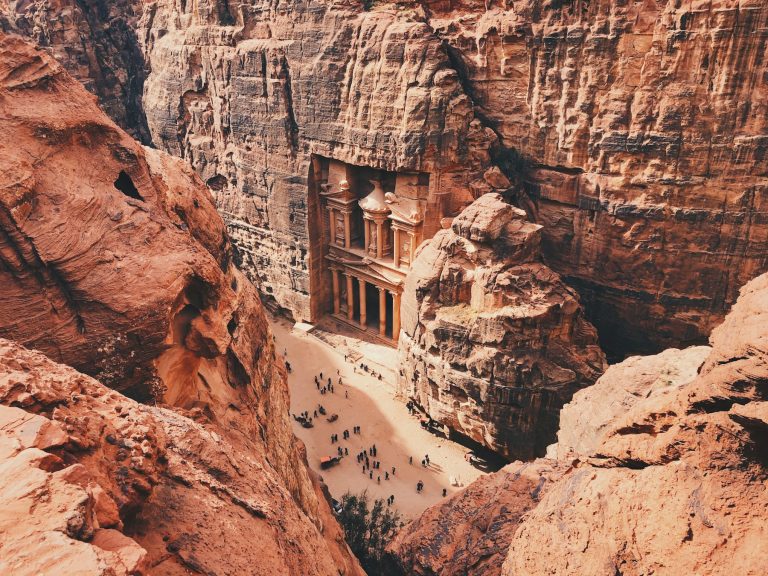
Petra is carved into rock and feels wild. Jerash is built from stone blocks and feels like a town people just walked out of. Seeing both on one trip gives you two very different pictures of the ancient world.
What to see at the Jerash ruins: a walking route
Most visits to the Jerash ruins follow the same line, from the south entrance toward the north. The ground is mostly flat but uneven, with old paving stones and some steps at the theaters and temples. Here is the route our guides walk every week.
Hadrian's Arch
Your visit starts at this tall triple arch, built for the visit of Emperor Hadrian around 129 AD. It stands a little apart from the rest of the city, because Gerasa was expected to grow out to meet it. It never did, which tells you something about Roman ambitions.
The Hippodrome
Just past the arch is the long Hippodrome, where crowds watched chariot races. A show with actors in Roman army costume and chariots has run here on and off over the years. Ask at the visitor center whether it is running on your date.
The South Gate and Oval Plaza
Walk through the South Gate and you reach the Oval Plaza, the photo most people know from Jerash. It is a wide, curved forum ringed by Ionic columns. Stand in the middle and turn slowly. Few places show Roman town planning this clearly.
The Temple of Zeus and the South Theatre
On the hill above the plaza sits the Temple of Zeus, with good views over the site and the modern town. Next to it is the South Theatre. Stand on the marked stone at the center of the stage and speak normally, and your voice carries to the top rows. You may also hear a local bagpiper playing for tips, a tradition from the Jordanian army bands.
The Cardo Maximus
From the plaza, the Cardo Maximus runs north as the main colonnaded street. Look down at the paving. You will see grooves worn by cart wheels and round drain covers that still sit over the old sewer system. Shop fronts line both sides.
The Nymphaeum
Halfway up the Cardo is the Nymphaeum, a large decorated public fountain dedicated to the water nymphs. Water once poured from carved lion heads into a basin below. It is a good spot for your guide to explain how the city managed its water.
The Temple of Artemis
A grand stairway and gate lead up to the Temple of Artemis, the patron goddess of Gerasa. Its tall columns are the most impressive in the city. Guides like to slip a spoon or key under the base of a column, so you can see it rock slightly when the wind blows.
The Byzantine churches and mosaics
Behind the Temple of Artemis, several Byzantine churches sit close together. The Church of Saints Cosmas and Damian has a floor mosaic you view from above, with figures, animals and inscriptions. If you like mosaics, also plan time for Madaba, which you can read about in our guide to Mount Nebo and Madaba.
The North Theatre and North Gate
If you still have energy, continue to the smaller North Theatre and the North Tetrapylon. These areas are quieter, and you may have them almost to yourself. Then walk back down the Cardo, or ask your driver to meet you closer to the exit if that is allowed on the day.
How long do you need at Jerash?
For most travelers, 2 to 3 hours is the right amount of time at Jerash. That covers Hadrian's Arch, the Oval Plaza, the South Theatre, the Cardo, the Nymphaeum and the Temple of Artemis at a comfortable pace with a guide.
If you love archaeology, give it a half day. That leaves time for the churches, the North Theatre and the small museum, plus a coffee break. On our multi-day tours, Jerash usually takes the morning, followed by lunch and a drive to the next stop.
Keep in mind that the site is big and has little shade. In hot weather, 2 hours on foot can feel like 4. Start early, and you will enjoy it far more.
Getting to Jerash from Amman
Visiting Jerash from Amman is easy, and you have three main options. Which one suits you depends on your budget, your time and how much you want to deal with on your own.
- Guided tour. A driver picks you up at your hotel, and a licensed guide walks the site with you. This is the simplest choice and the best way to understand what you are seeing.
- Taxi or private driver. You can hire a taxi or driver for a half day. Agree on the total price, the waiting time and the return trip before you leave.
- Public bus. Buses and minibuses run from Amman's North Bus Station to Jerash. They usually leave when full, and return options get thinner later in the day, so start early.
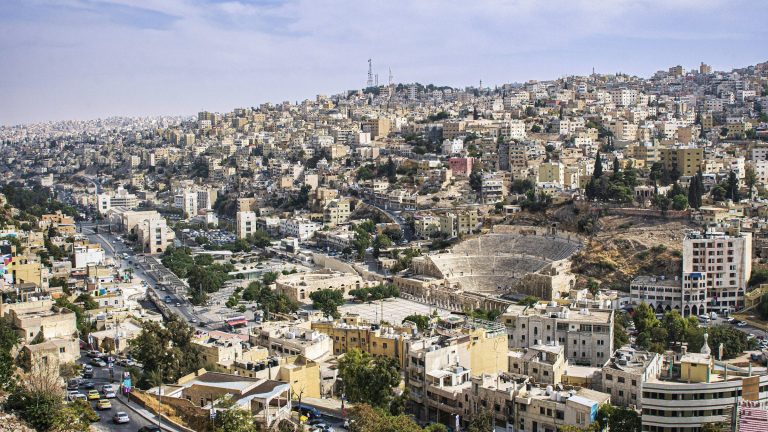
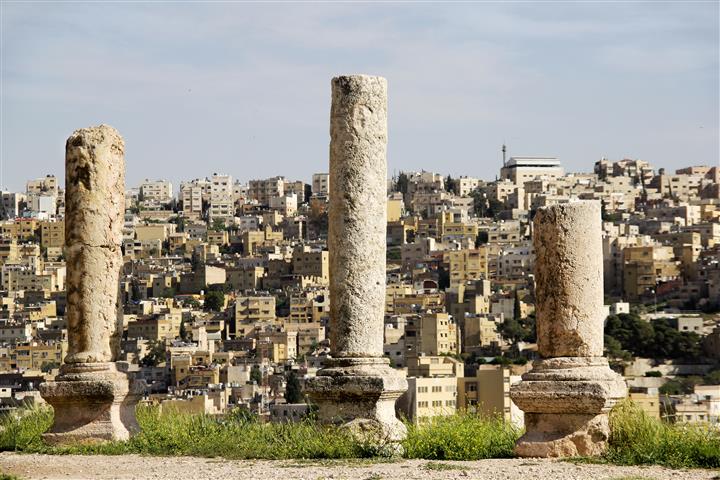
Many people pair Jerash with Ajloun Castle or with an afternoon back in the city. For ideas on how to fill the rest of your time, see our local guide to things to do in Amman, from the Citadel to the Roman Theatre. If you also want Petra from the capital, read how to get to Petra from Amman.
Visiting Jerash from Israel
Many of our guests reach Jerash from Israel. Jerash is too far north for a comfortable day trip from Eilat, so we include it in 2 to 4 day tours that cross the border and combine it with Petra and other highlights.
On our Israel to Jordan tours, Jordan border and visa fees are 140 USD per person in total. You can pre-pay them on the booking form, so you do not need to carry cash for the border. For step-by-step details on the crossings, see our Israel Jordan border crossing guide.
If your trip also includes Petra, the Petra 1-day entrance is 130 USD per person at the time of writing. Entry fees in Jordan can change, so treat this as a current figure, not a promise for next year.
A short note on safety. Jerash is a busy tourist site with a visible police presence, and Jordan welcomes large numbers of visitors every year. Regional conditions can change quickly, though, so as of November 2026 our advice is to check your government's advisory, such as the US State Department travel advisory for Jordan, before you book and again the week you travel.
Planning your visit to Jerash in 2027
If a Jerash 2027 trip is on your list, start with the season. Spring, roughly March to May, brings green hills and wildflowers. Autumn, from September to November, is warm and dry. Both are the most pleasant times to walk the site.
Summer is hot, and the stone ruins reflect the heat. If you visit then, arrive as early as you can and carry plenty of water. Winter can be cool and wet in northern Jordan, so pack a warm layer and a rain jacket. Our Petra weather guide helps if you are pairing both sites, since the south can feel quite different.
The Jerash Festival of Culture and Arts usually takes place in the summer, with concerts and shows inside the ancient theaters. Dates vary each year, so check close to your trip if you want to catch it.
Opening hours and ticket prices change from time to time, and we never treat them as fixed for 2027. Check the latest details with the official Visit Jordan tourism board before you go. Jerash has been among the sites covered by the Jordan Pass, which can save money for independent travelers. Our Jordan Pass guide explains when it pays off and how it works on tours from Israel.
Practical tips for your day at Jerash
- Wear good shoes. The paving stones are polished and uneven. Sneakers or walking shoes beat sandals.
- Bring sun protection. Pack a hat, sunscreen and water. There is very little shade between the Oval Plaza and the Temple of Artemis.
- Dress modestly. There is no strict dress code at the site, but covering shoulders and knees is respectful in Jordan and protects you from the sun.
- Carry small cash. It helps for tips, coffee and the souvenir stalls near the entrance.
- Use the restrooms first. Facilities are near the visitor center, and there are few inside the site.
- Plan lunch. Restaurants near the site serve grilled meats, mezze and fresh bread. Our guide to Jordanian food lists the dishes worth trying.
All our guides speak English. If you continue to Petra, local Spanish and French-speaking guides there are free. German, Italian and Russian-speaking guides in Petra cost a small flat fee per booking. For more on money, tipping and getting around, read our guide to traveling to Jordan.
Best Jerash tour options compared
Every Jerash tour below includes the ruins with a licensed guide, then adds other parts of Jordan. Choose by where you start and how many days you have.
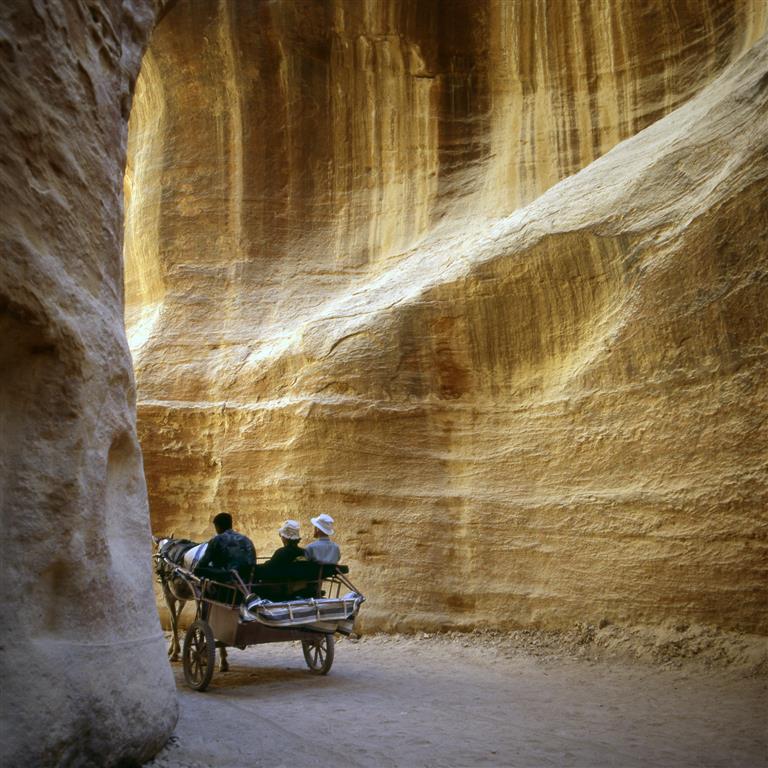
- Petra and Jerash 2 day tour from Eilat or Amman. Best for travelers short on time who want the two great ancient cities. You get Roman Jerash, a night in Petra and the Siq on horseback. Duration: 2 days. Price: from $504 per adult.
- Petra, Jerash and Madaba 3 day tour from Tel Aviv. Good for guests based in Tel Aviv or Jerusalem who want a classic loop with Amman, Madaba and Mount Nebo, and dinners included. Duration: 3 days. Price: from $1183 per adult.
- 4 day Jordan tour from Tel Aviv with Jerash, the Dead Sea and Wadi Rum. Suits first-timers who want variety: Jerash, Madaba, Mount Nebo, a Dead Sea swim, Petra and a Wadi Rum jeep ride, with 3 hotel nights. Duration: 4 days. Price: from $1022 per adult.
- 8 day Jordan tour along the Kings' Highway with 2 nights in Petra. For travelers flying into Amman who want a slower pace, with Jerash, Madaba, Karak and a Wadi Rum 4x4 drive. Duration: 8 days. Price: from $1733 per adult.
- 8 day Jordan discovery tour from Amman with Pella and Umm Qais. Ideal for history lovers who want more of the Roman north, including Pella, Umm Qais and Jerash, plus Petra and Wadi Rum. Duration: 8 days. Price: from $1863 per adult.
All of these are multi-day tours with hotels, so they are non-refundable once booked. Day tours, by contrast, offer free cancellation up to 36 hours before the start time. To compare even more options, see our guide to Jordan tour packages.
Tours that include Jerash
Live prices and dates, hotel pickup on most tours, and a local team in Eilat that answers on WhatsApp.
 8 Day Jordan Tour: Jerash, Kings’ Highway, Karak and 2 Nights in PetraFrom $1,733View tour
 8 Day Jordan Discovery Tour from Amman: Pella, Jerash, Petra and Wadi RumFrom $1,863View tour
 11 Day Jordan Tour: Petra, Wadi Rum, Aqaba and JerashFrom $1,850View tour
 5 Day Jordan Tour: Amman, Petra, Wadi Rum and AqabaFrom $1,063View tour
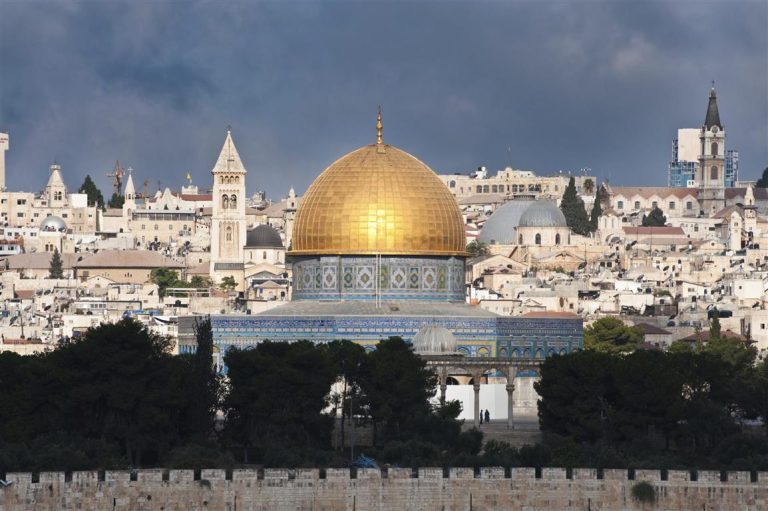 15 Day Israel and Jordan Tour: Jerusalem, Galilee, Petra and Wadi RumFrom $2,689View tour
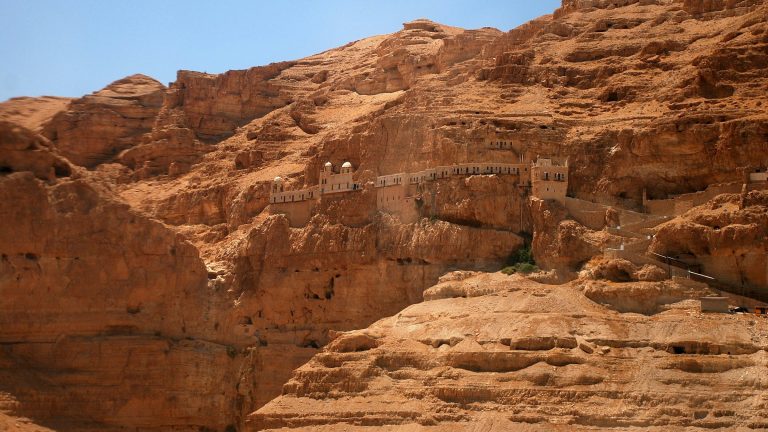 Nabatean Wonders 8 Day Jordan Tour: Petra, Little Petra and Wadi Rum CampFrom $1,394View tour
Frequently asked questions about Jerash
How long do you need at Jerash?
Plan on 2 to 3 hours to see the main sights at a relaxed pace. Archaeology fans can easily spend a half day. In summer, an early start makes the visit much more comfortable.
How much does it cost to visit Jerash?
Entry ticket prices are set by Jordan's tourism authorities and can change, so check the official Visit Jordan site before you go. Jerash has been included in the Jordan Pass. On our guided tours, entry fees and the guide are covered as listed on each tour page.
Can you visit Jerash from Amman as a day trip?
Yes. Jerash from Amman is one of the easiest half-day trips in Jordan. You can join a tour, hire a driver or take a public bus from the North Bus Station.
Can you visit Jerash from Israel?
Yes, but it works best as part of a 2 to 4 day tour that crosses the border. Our Petra and Jerash tour starts in Eilat or Amman, and our 3 and 4 day tours start in Tel Aviv or Jerusalem. Jordan border and visa fees on these tours are 140 USD per person in total, and you can pre-pay them when you book.
What is the best time to visit Jerash?
Spring and autumn offer the most pleasant weather. Early morning is the best time of day in any season, with softer light and fewer tour groups. Summer is hot, and winter can bring rain and cool winds.
Is there a dress code at Jerash?
There is no formal dress code at the ruins. Modest clothing that covers shoulders and knees is respectful in Jordan and also protects you from the sun. Comfortable walking shoes matter most.
Is Jerash worth it if I am already seeing Petra?
Yes. Petra is a city carved into rock, while Jerash is a classic Roman city of streets, temples and theaters. Most of our guests say seeing both gave them a fuller picture of ancient Jordan.
Is Jerash safe to visit?
Jerash is a busy, policed tourist site, and our guides take groups there every week. Regional conditions can change, so check your government's travel advisory for Jordan before booking and again just before you travel. Our team will also tell you if anything affects your route.
Keep planning
More travel guides for this trip
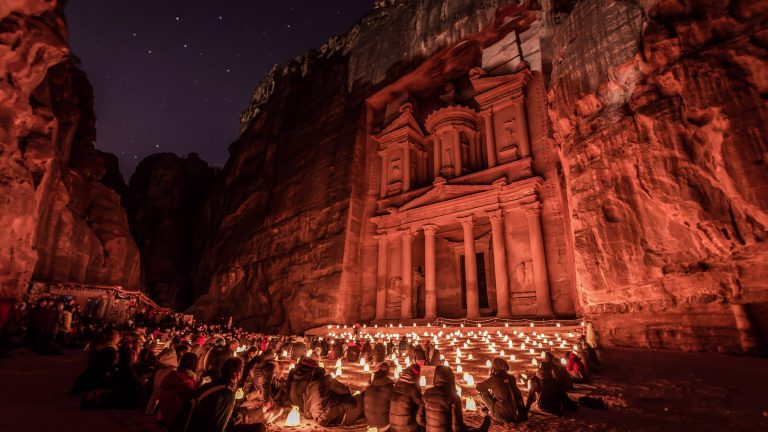 Petra & JordanPetra by Night 2027: Which Nights It Runs, What It Is Really Like and How to Fit It into Your Jordan TripRead the guide →
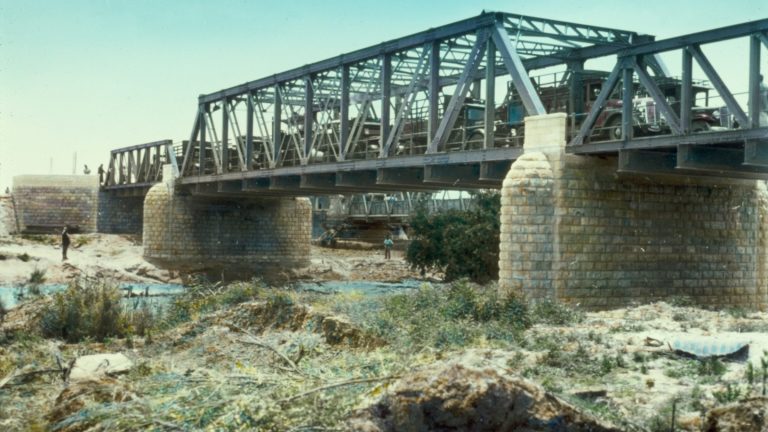 Petra & JordanAllenby Bridge 2027: A Local Guide to the King Hussein Crossing, Visa Rules, Hours and Easier Routes via EilatRead the guide →
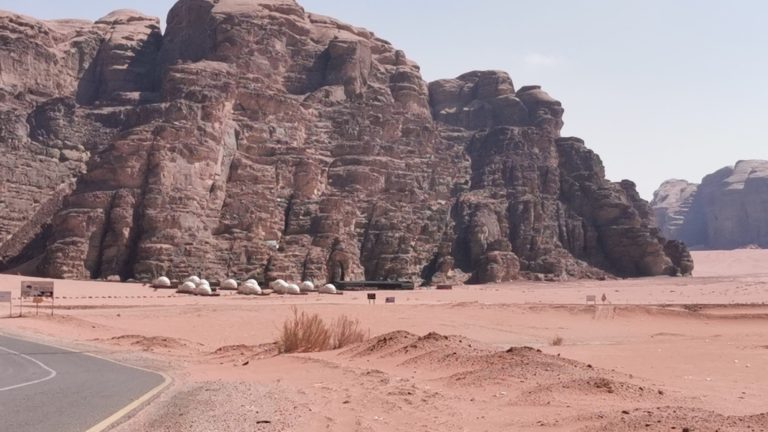 Petra & JordanWadi Rum Camp 2027: A Local Guide to Bedouin Tent Nights, Jeep Tours and Petra Combos from EilatRead the guide →
Plan your trip
We have walked the Cardo and stood on that stone in the South Theatre more times than we can count, and Jerash still impresses us. If you want the two great ancient cities of Jordan in one short trip, our Petra and Jerash 2 day tour from Eilat or Amman is the place to start.
Not sure which route fits your dates? Message us on WhatsApp at 08-6338361 (international +972 8-633-8361) or email [email protected], and a local team member will help you choose. You can also browse every option on our Petra and Jordan tours page or explore the full Booking-Tours travel guide.
Cover photo: لا روسا, CC BY-SA 3.0, via Wikimedia Commons