

The City of David is the oldest inhabited part of Jerusalem, a ridge of excavations just south of the Old City walls where you can walk through the water of Hezekiah's Tunnel and finish at the Pool of Siloam. Plan about half a day, book a timed ticket in advance, and decide early whether you want the wet tunnel or the dry one. This guide covers both routes, what to wear, how tickets work and how to fit the visit into a Jerusalem day.
★ Add Booking-Tours as a preferred source on Google
This guide is part of our series on the walled city. For the bigger picture, start with our complete Old City Jerusalem visitor guide, then come back here for the underground part of the story.
City of David at a glance
| Key fact | Details |
|---|---|
| Location | Just outside the Dung Gate, south of the Old City walls, in the Silwan neighborhood of East Jerusalem |
| How long to spend | About 3 to 4 hours for the main sites and one tunnel |
| Best time | Spring and autumn mornings; the wet tunnel is pleasant in summer heat |
| How to get there | Walk downhill from the Dung Gate, take a taxi, or join a guided day tour with pickup |
| What it costs | Site tickets change, check the official site; our guided tour is from $89 per adult |
| Booking tip | Reserve a timed slot ahead, especially on Fridays and Israeli holidays |
What is the City of David?
Before the Old City walls you see today were built, Jerusalem sat on a narrow ridge south of the Temple Mount. That ridge is the City of David. It was chosen because of the Gihon Spring, the only year-round water source in the area.
The Bible describes King David capturing the city from the Jebusites and making it his capital. Archaeologists have dug here for more than 150 years, and work still goes on. You will see layers from the Canaanite period, the time of the Judean kings and the Second Temple era, sometimes all in one spot.
For background on the history and the debates among scholars, the Wikipedia overview of the City of David is a good starting point. On the ground, the site is run as a national park area by a private foundation. The neighborhood around it is part of East Jerusalem, whose status is disputed internationally, so you may notice tension between residents and the site. Our guides explain this calmly and factually, from more than one side.
What to see in the City of David Jerusalem
The visit runs downhill. You start at the top near the visitor center and end at the bottom of the Kidron Valley. Here is what you pass on the way.
The observation point
Start at the rooftop lookout. From here you see the Mount of Olives, the Kidron Valley and the ridge you are about to walk. It helps you picture how small the ancient city really was.
The Royal Quarter and the Stepped Stone Structure
Just below the lookout are massive stone walls that some archaeologists link to a royal palace from the time of the early kings. The Stepped Stone Structure is one of the largest ancient constructions of its period in the region. You can also see remains of houses burned when the Babylonians destroyed the city.
Warren's Shaft and the Gihon Spring
Next you go underground into a rock-cut system that led to the spring. Warren's Shaft is named after the British explorer Charles Warren, who found it in the 1860s. At the bottom is the Gihon Spring, where both tunnels begin.
The Pool of Siloam
At the bottom of the hill is the Pool of Siloam, linked in the Gospel of John to Jesus healing a blind man. The Second Temple era pool was uncovered by chance in 2004, and digging to expose more of it continues. Christian visitors often find this the most moving stop of the day.
The Pilgrimage Road
From the pool, an ancient stepped street climbed toward the Temple Mount. Parts of it, and a drainage channel under it, have been excavated and opened in stages. Which sections are open can change, so ask at the ticket office. This route brings you up near the Western Wall, which makes a natural next stop.
Hezekiah's Tunnel: wet or dry route?
This is the question everyone asks. Both tunnels start near the Gihon Spring and end close to the Pool of Siloam. The difference is water.
The wet route: Hezekiah's Tunnel
Hezekiah's Tunnel was cut through solid rock, most likely in the late 8th century BCE, to bring spring water inside the city walls before an Assyrian siege. It is mentioned in 2 Kings and 2 Chronicles. An ancient inscription found inside describes the two teams of diggers meeting in the middle. The original stone is now in a museum in Istanbul.
You walk through flowing spring water in a narrow, dark passage. On our recent visits the water has usually been around knee height for adults, deeper in a few spots, but levels vary. Most people take about 30 to 45 minutes to walk through. The ceiling is low in places, so taller guests will duck.
The dry route: the Canaanite Tunnel
The dry option is an older channel from the Canaanite period. It is shorter, has no water and takes less time. Ceilings are low and the walls are close, but you stay dry and do not need special shoes.
Which tunnel should you choose?
- Choose the wet tunnel if you are fine with tight spaces, want the classic experience and have water shoes.
- Choose the dry tunnel if you have small children, mobility limits, a winter cold, or simply do not want wet clothes for the rest of the day.
- Skip both if you are claustrophobic. You can still enjoy the open-air sites and the Pool of Siloam.
A local tip: in the wet tunnel, let your group spread out slightly. The water is calmer and the echo of your own voices is part of the fun.
City of David tickets and how to book
City of David tickets are sold for different options: the site only, the site with Hezekiah's Tunnel, guided tours and evening shows. Prices and opening hours are current only at the time you check, and they change. Please confirm on the official City of David website before you go.
Opening hours follow the Israeli week. Friday hours are usually shorter, the site follows Shabbat and Jewish holiday schedules, and last entry to the wet tunnel is earlier than closing time. Check the exact times for your date.
Timed slots fill up, especially for groups and on holiday weeks. Book online a few days ahead if you go independently. If you join our City of David tour, entry is arranged for you, so you do not need to deal with time slots.
What to wear and bring
Dress for two things at once: a wet tunnel and a religious city. The City of David itself has no strict dress code, but you will probably visit holy sites on the same day.
- Water shoes or sport sandals with straps. Flip-flops slip off in the current. Bare feet are a bad idea on the rough floor.
- Shorts or quick-dry pants for the tunnel, plus a long skirt or light pants to pull on afterward for the Western Wall or churches.
- A headlamp or small flashlight. Your phone light works, but you want your hands free.
- A dry bag or zip bag for your phone, passport and wallet.
- A small towel and dry socks for the walk back up.
- Water and sun protection for the open sections, which get hot in summer.
Covered shoulders and knees are the simple rule for the rest of the Old City. Our Jewish Quarter Jerusalem guide explains dress at the Western Wall and nearby synagogues.
Planning your visit in 2027
If you are mapping out the City of David 2027 trip, the season matters more than the day of the week. Spring and autumn are the most comfortable for the steep open-air paths. In summer, the cool tunnel water feels great, but the walk back uphill is hot, so go early.
Winter is quieter, and the wet tunnel can still be open, but the water feels cold. After heavy rain, parts of the site may close. Our guide on Jerusalem winter weather helps you pack for December to February.
Avoid Friday afternoons and the eve of Jewish holidays if you want relaxed timing. Sunday to Thursday mornings are usually the easiest.
Safety and travel advisories
As of November 2026, the City of David is operating normally, but the security situation in Jerusalem can change quickly. Sites near the Temple Mount and in East Jerusalem may close at short notice. Check your government's advice before you travel, such as the US State Department travel advisories, and follow local instructions on the day. A licensed guide will know about closures before you do.
How to get to the City of David from Jerusalem and Tel Aviv
From inside the Old City, walk out through the Dung Gate near the Western Wall plaza and head downhill. The entrance is a short walk, but the road is steep and busy, so watch for cars.
From Tel Aviv, take the train or bus to Jerusalem, then a taxi or light rail and a walk. Our Tel Aviv to Jerusalem transport guide compares every option. Parking near the site is very limited, so do not plan on driving yourself.
After the tunnel, you come out low in the valley. Walking back up is steep. Many visitors take the Pilgrimage Road route up toward the Western Wall area, or grab a taxi.
Who the City of David suits
This site works for many travelers, but not all. Here is the honest picture from our guides.
- Bible readers and pilgrims love it. You stand where Old Testament kings ruled and New Testament stories took place.
- Families with kids aged about 8 and up usually call the wet tunnel the best part of their Israel trip.
- History and archaeology fans get one of the most active digs in the country.
- Travelers with limited mobility will find the many stairs, slopes and tunnels hard. The rooftop lookout and some upper areas are easier.
City of David tour options compared
You can visit on your own, but a guide makes the stones make sense. Here are the tours our guests book most for this part of Jerusalem. For a wider comparison, see our best Jerusalem tours guide.
- City of David Tour Jerusalem with Hezekiah's Tunnel: our dedicated underground day. Best for Bible and archaeology lovers who want the full site with a licensed English-speaking guide. 10 hours, starts from Herzliya, Jerusalem or Tel Aviv, from $89 per adult.
- Temple Mount tour with the Dome of the Rock: pairs well with the City of David, since the two sites tell one connected story. 10 hours, from $89 per adult.
- Jerusalem full day tour from Tel Aviv: Mount of Olives, Gethsemane, Mount Zion, the Western Wall and the Holy Sepulchre. Good for first-timers who want the classic sites. Full day, from $75 per adult.
- Jerusalem Old City tour with a late 10 AM start: for travelers who prefer a relaxed morning. Full day, starts in Jerusalem, from $70 per adult.
- Jerusalem half day tour of the Old City: a focused introduction if you only have a morning. 5 hours, from $50 per adult.
- Jerusalem and Dead Sea tour: Old City highlights plus a float in the Dead Sea. 12 hours, from $106 per adult.
All our day tours have free cancellation up to 36 hours before the start time.
Tours that include City Of David
Live prices and dates, hotel pickup on most tours, and a local team in Eilat that answers on WhatsApp.
 Temple Mount Tour: Dome of the Rock in JerusalemFrom $89View tour
 Christian Jerusalem Tour: In the Footsteps of JesusFrom $89View tour
 Jerusalem and Dead Sea Tour: Ancient History Meets Natural WonderFrom $106View tour
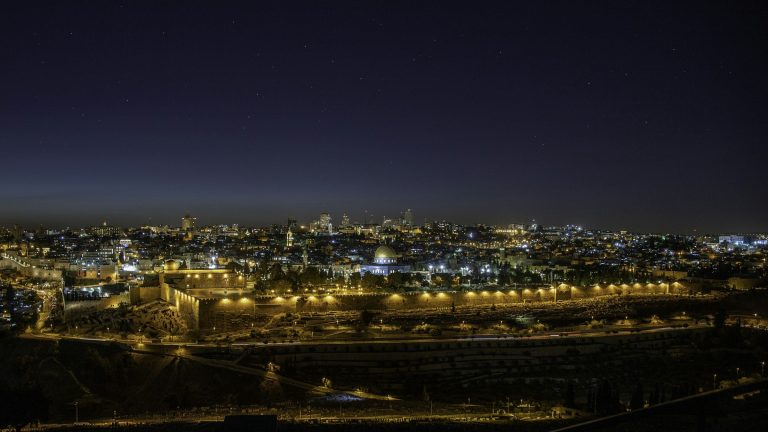 Jerusalem Old City Tour with a Late StartFrom $70View tour
 Jerusalem Highlights TourFrom $75View tour
 Jerusalem and Bethlehem TourFrom $106View tour
Frequently asked questions about the City of David
How long do you need at the City of David?
Plan about 3 to 4 hours for the main sites, one tunnel and the Pool of Siloam. Add time if you want to walk the Pilgrimage Road up toward the Western Wall. A full guided day lets you combine it with other Old City sites.
How much are City of David tickets?
Ticket prices depend on the option you choose and change from time to time, so check the official City of David website for current rates. If you book our guided City of David tour, from $89 per adult, entry arrangements are handled for you.
How deep is the water in Hezekiah's Tunnel?
On our recent visits it has usually been around knee height for adults, a bit deeper in places. Children will be wetter. Levels vary, so wear clothes you do not mind getting wet.
Is Hezekiah's Tunnel suitable for children?
Most kids aged about 8 and up love it. Younger children or nervous kids do better in the dry Canaanite Tunnel. Bring a headlamp for each child so they feel in control.
Is there a dress code at the City of David?
There is no strict dress code at the site itself. Wear water shoes and quick-dry clothes for the tunnel. Bring something that covers your shoulders and knees for holy sites later in the day.
Can you visit the City of David from Tel Aviv?
Yes. Jerusalem is an easy day trip from Tel Aviv by train, bus or tour. Our City of David tour offers starts from Tel Aviv, Herzliya and Jerusalem.
What is the best time to visit the City of David?
Spring and autumn mornings are the most comfortable. In summer, go early to beat the heat on the uphill walk. Avoid Friday afternoons and holiday eves, when hours are shorter.
Is the City of David worth it?
For most of our guests, yes. It is the place where Jerusalem began, and walking through Hezekiah's Tunnel is something you remember for years. If you have only one day, pair it with the Western Wall and the Temple Mount for a full picture.
Keep planning
More travel guides for this trip
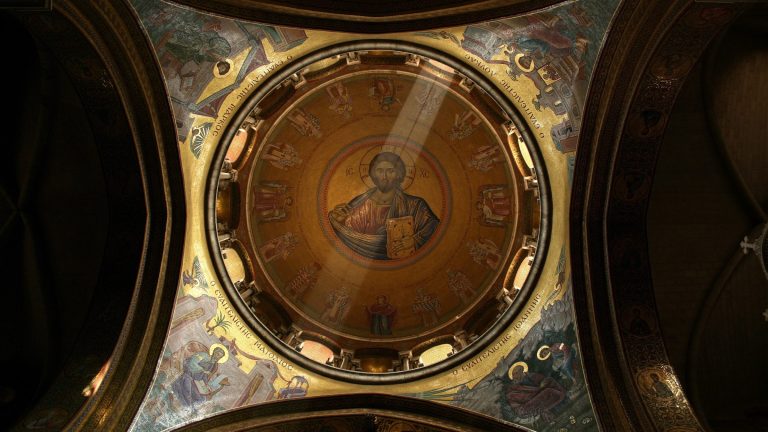 JerusalemChristian Quarter Jerusalem 2027: A Local Guide to the Holy Sepulchre, the Last Stations of the Cross, Muristan and the Redeemer TowerRead the guide →
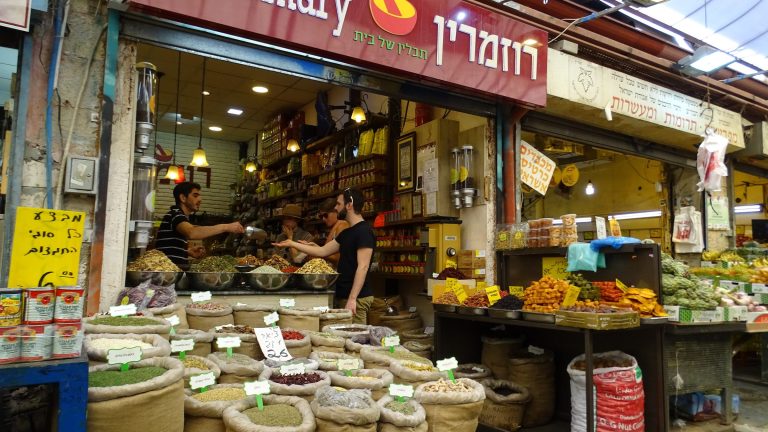 JerusalemShopping in Jerusalem 2027: A Local Guide to Mahane Yehuda, the Old City Souk, Mamilla and the Best SouvenirsRead the guide →
 JerusalemHoly Land Tour 2027: How to Plan a Christian Pilgrimage to Jerusalem, Bethlehem and the Galilee, from Local GuidesRead the guide →
Plan your trip
Our guides walk guests through Hezekiah's Tunnel every week, and we still enjoy the moment people step out into daylight at the Pool of Siloam. If you want the stories, the logistics and the tickets handled, book our City of David tour in Jerusalem and just bring your water shoes.
Not sure which day fits your plans? Message us on WhatsApp at 08-6338361 (international +972 8-633-8361) or email [email protected]. You can also browse every tour and guide in our Jerusalem travel hub or the full Booking-Tours travel guide.
Cover photo: Berthold Werner, Public domain, via Wikimedia Commons