

Safed (also spelled Tzfat) is a mountaintop city in Israel's Upper Galilee and one of the four holy cities of Judaism, best known as the place where modern Kabbalah took shape in the 16th century. Most visitors spend half a day to a full day walking the blue-painted lanes of the Synagogue Quarter, browsing the Artists' Quarter and stepping inside the historic synagogues. It pairs well with a day around the Sea of Galilee or the Golan Heights, which lie below and east of the city.
★ Add Booking-Tours as a preferred source on Google
Safed at a glance
| Key fact | Details |
|---|---|
| Location | Upper Galilee, northern Israel, on a mountain above the Sea of Galilee |
| How long to spend | Half a day for the highlights, a full day to explore slowly, one night if you want to experience Shabbat |
| Best time | Spring and autumn for mild weather; Sunday to Thursday if you want shops and galleries open |
| How to get there | Rental car, intercity bus, or a private guided tour from central Israel |
| What it costs | Walking the old city is free; some synagogues ask for a small donation; see tour prices below |
| Booking tip | Avoid Friday afternoon to Saturday night unless you plan to stay for Shabbat, since most of the city closes |
Why Safed matters: the city of Kabbalah
Safed has been an important Jewish town for centuries, but its golden age came in the 1500s. After the expulsion of Jews from Spain in 1492, many scholars and their families eventually settled here. Within a few decades, this small hill town became one of the most important centers of Jewish learning in the world.
The name you will hear most is Rabbi Isaac Luria, known as the Ari. He lived in Safed for only a few years, but his teachings shaped Kabbalah, the mystical tradition of Judaism, as it is studied today. Rabbi Joseph Karo wrote the Shulchan Aruch here, a code of Jewish law still used across the Jewish world. Rabbi Shlomo Alkabetz wrote Lecha Dodi in Safed, the song that welcomes Shabbat in synagogues every Friday night.
That history still feels close. You will see men studying in small synagogues, art inspired by mystical ideas and blue doors that many locals link to heaven and protection. For a solid overview of the city's long history, including the earthquakes that reshaped it, the Wikipedia page on Safed is a good starting point.
What to see in Safed: the synagogues and the old quarter
The heart of Safed is the Synagogue Quarter, a tight maze of stone alleys and stairways. A long stairway called Ma'alot Olei HaGardom runs down the hill and is a handy landmark when you get turned around. Expect slopes and steps everywhere, so wear good shoes.
Ari Ashkenazi Synagogue
This synagogue stands on the spot where the Ari and his students are said to have gone out to greet the Shabbat in the fields. The carved wooden ark is one of the most photographed interiors in the city. Our guides usually start here because many of the stories of Safed begin with the Ari.
Ari Sephardic Synagogue
Lower on the slope, this is one of the oldest synagogues in the city. Tradition says the Ari prayed and studied here. It is smaller and quieter, and it often feels more like a working house of prayer than a sight.
Abuhav Synagogue
Named after a 15th-century Spanish rabbi, the Abuhav Synagogue is famous for its painted dome and its old Torah scrolls. The colors and symbols inside are packed with meaning, so this is a place where a guide really adds value.
Caro Synagogue
This synagogue is linked to Rabbi Joseph Karo and is said to stand where his study hall once was. It has a calm, simple feel. If you have time for only three synagogues, many visitors choose the Ari Ashkenazi, Abuhav and Caro.
The old cemetery
Below the old city lies the historic cemetery, where many of Safed's great rabbis are buried, including the Ari and Rabbi Karo. Some graves are painted blue. This is an active religious site, so keep your voice low and dress modestly. Note that some Jews of priestly descent (Kohanim) traditionally avoid entering cemeteries.
The Citadel and city views
At the top of the hill, the Citadel park holds the remains of an old fortress. It is a quiet green space with wide views over the Galilee. On a clear day it is a nice break from the busy lanes below.
The Artists' Quarter in Tzfat, Israel
The Artists' Quarter sits just south of the Synagogue Quarter. Painters, sculptors and craftspeople began moving into these old stone houses after 1948, and the area grew into an art colony. Today you can walk from gallery to gallery and often meet the artist in person.
Look for work that reflects the city's spiritual side. This includes Hebrew micrography (pictures made of tiny letters), Kabbalah-inspired paintings, hand-made jewelry and Judaica. Prices vary a lot, so take your time and ask questions. Many artists are happy to explain the symbols in their work.
Safed is also known for hand-made candles, especially braided Havdalah candles used at the end of Shabbat. They make a light, easy souvenir to pack. Food lovers should try Safed cheese, a salty white cheese with a long local history, in one of the small shops or cafes.
If you visit in summer, check whether the Klezmer Festival is on. It usually fills the city with Jewish folk music, but dates and programs change each year, so confirm before you plan around it.
How to get to Safed and get around
Safed sits high above the Sea of Galilee, so the drive up is winding but scenic. Many travelers visit by rental car, which gives you the most freedom. Parking in the old city is limited, so plan to park at the edge and walk in.
Intercity buses run to Safed from major cities in Israel. Schedules change and do not run on Shabbat, so check current times on a journey planner app before you travel. There is no train station in the city itself.
Once you arrive, everything in the old city is on foot. The lanes are narrow, steep and often uneven, with many steps. Strollers and wheelchairs will struggle in parts of the Synagogue Quarter, so plan a shorter loop if mobility is a concern.
Safed is also a good base for exploring the north. From here you can reach Tiberias on the Sea of Galilee, the springs and ruins at Banias, or the Crusader old city of Akko on the coast.
Best time to visit Safed and the Shabbat rule
Safed is higher and cooler than the Sea of Galilee shore. That makes it a pleasant escape in summer, when the lakeshore gets very hot. Winters can be cold, wet and windy, and the city occasionally sees snow, so pack layers from December to February.
Spring and autumn are our favorite seasons. The air is clear, the hills are green in spring and the lanes are comfortable for walking. Weekday mornings are usually calmer than afternoons.
The most important timing rule is Shabbat. It runs from Friday before sundown until Saturday after nightfall. During this time most shops, galleries, cafes and buses close, and synagogues are open only for prayer, not for tourist visits.
On Fridays, many places close early in the afternoon. If you want the art, food and synagogue visits, aim for Sunday to Thursday. If you want the spiritual side, staying overnight for Shabbat is a special experience, but book your accommodation well ahead.
Jewish holidays follow similar rules and can bring big crowds. Lag BaOmer is a special case: huge numbers of pilgrims travel to nearby Mount Meron, and roads around Safed get very busy. Access rules for Meron have changed in recent years, so check official updates if your trip falls near that date.
Planning your visit to Safed in 2027
If you are planning a trip to safed 2027 is a good year to think ahead about timing, safety and what you want from the visit. Here are the practical points our team shares with guests every week.
Safety in northern Israel
Safed is in northern Israel, not far from the Lebanese border. In 2023 and 2024, the north, including Safed, was affected by rocket fire from Lebanon, and some areas saw closures. Conditions can change quickly in this region.
At the time of writing in November 2026, we advise every traveler to check their own government's travel advisory before booking and again before traveling. Follow instructions from local authorities and your guide, and learn where the nearest shelter is wherever you stay. We only run tours when conditions allow, and we will tell you honestly if a route needs to change.
Dress code and etiquette
Safed is a religious city. Dress modestly, with shoulders and knees covered, especially in synagogues and the cemetery. Men should cover their heads inside synagogues, and paper kippot are often provided at the door.
Do not take photos of people at prayer, and never photograph anyone on Shabbat. Ask before photographing residents. Inside synagogues, a small donation is customary and appreciated.
Costs and opening times
Walking the old city and the Artists' Quarter is free. Synagogue visiting hours depend on prayer times and holidays, and they can change without notice. For current visitor information, check the official Israel Ministry of Tourism site or ask us before your trip.
What to bring
- Comfortable walking shoes with good grip for the stone steps
- A light layer or jacket, even in summer evenings
- A scarf or shawl to cover shoulders if needed
- Water and some cash in Israeli shekels for small shops and donations
How to combine a Safed tour with the Galilee or the Golan
Many travelers ask us how to fit a Safed tour into a trip to northern Israel. Our scheduled day tours below focus on the Sea of Galilee, Nazareth and the Golan Heights, and they do not stop in Safed as a standard part of the route. Still, they pair very well with a visit to the city, either on the same trip north or as a day before or after.
Here is how we suggest combining them:
- Two days in the north: join one of our 2-day tours, then add a night or a free day to explore Safed on your own.
- Private day: on a private tour you travel with your own guide and car. Message us on WhatsApp to ask whether a stop in Safed can fit your route on your chosen date.
- Split days: take a Galilee or Golan day tour from Tel Aviv or Jerusalem, and visit Safed by bus or car on another day.
| Tour | Best for | Duration and price |
|---|---|---|
| Golan Heights day tour with Mount Bental | Travelers who want views, history and the volcanic plateau east of Safed | Full day, from $128 per adult |
| Nazareth and Sea of Galilee day tour | First-time visitors and Christian travelers who want the main lakeside sites | Full day, from $98 per adult |
| Christian Galilee tour with Magdala | Pilgrims who want a deeper focus on the sites of Jesus | Full day, from $105 per adult |
| Nazareth and Golan Heights 2 day tour | Travelers who want a night in the north and both faith sites and the Golan | 2 days, from $330 per adult |
| Private Golan Heights tour with your own guide | Families and small groups who want flexibility and hotel pickup | Full day, from $1,076 per group |
Day tours come with free cancellation up to 36 hours before the start time. Tours that include hotels are non-refundable, so confirm your dates before you book a 2-day package. You can read more about the region in our complete guide to the Golan Heights and our Sea of Galilee guide.
Who Safed suits, and who might skip it
Safed is a great fit if you enjoy Jewish history, spirituality, art or simply wandering old streets. Photographers love the light on the stone and the blue doors. Families with older kids often enjoy the candle shops and the views from the Citadel.
It is less ideal if you have limited mobility, since the old city is steep and full of steps. If you only have one day in the north and your main interest is the life of Jesus, our guide to the Christian Galilee may help you choose a better route. Travelers who want nature and big landscapes may prefer to spend the day in the Golan.
For most people, the answer is simple. If you are already heading to the Galilee, Safed is worth a few hours, and it adds a side of Israel that you will not find in Tel Aviv or by the lake.
Tours that include Safed
Live prices and dates, hotel pickup on most tours, and a local team in Eilat that answers on WhatsApp.
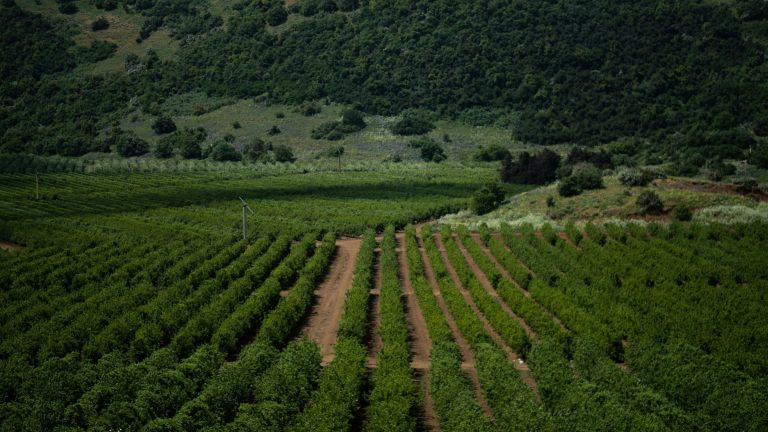 Private Golan Heights TourFrom $1,076 per groupView tour
 Christian Galilee TourFrom $105View tour
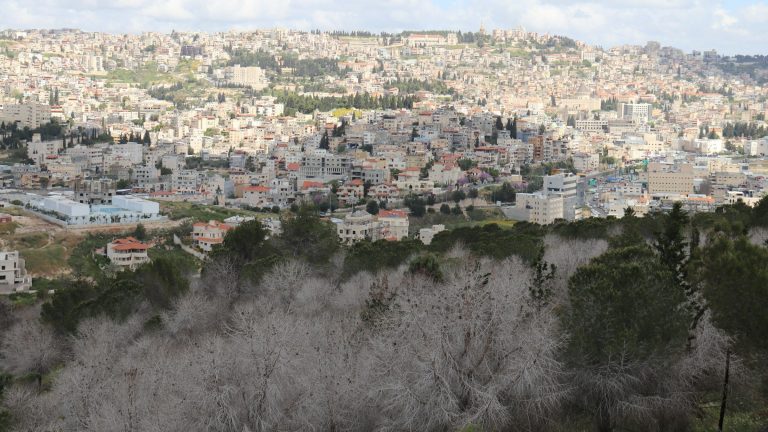 Nazareth and Sea of Galilee 2 Day TourFrom $305View tour
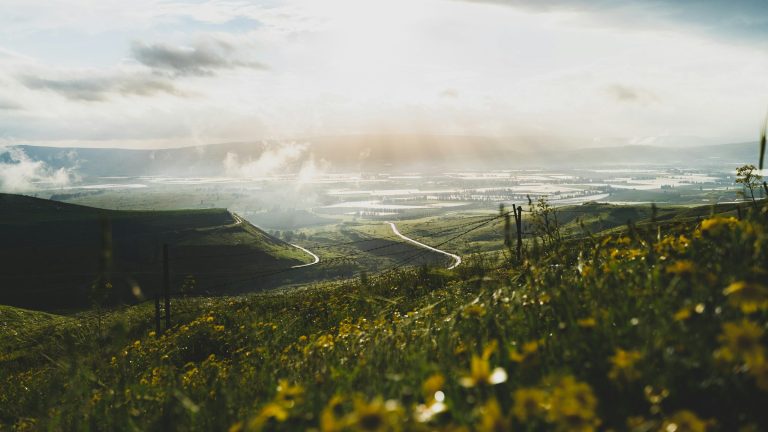 Nazareth and Golan Heights 2 Day TourFrom $330View tour
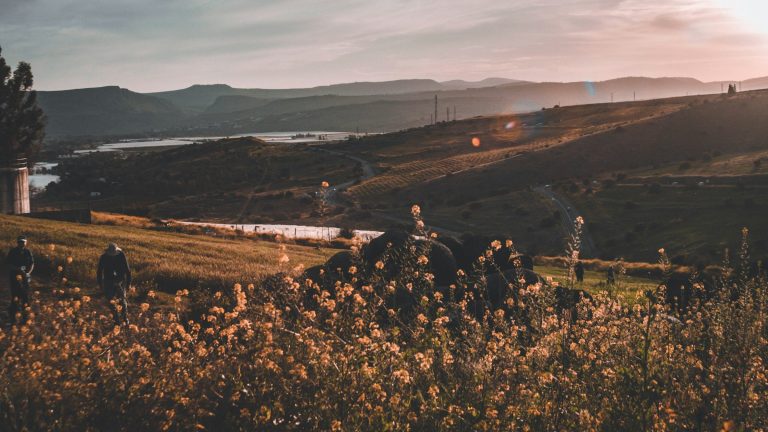 Caesarea and Golan Heights 2 Day TourFrom $335View tour
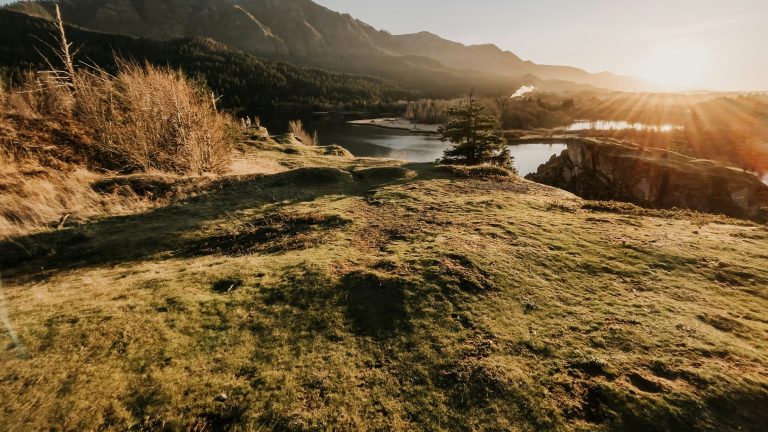 Galilee and Golan Heights 2 Day TourFrom $360View tour
Frequently asked questions about Safed
How long do you need in Safed?
Half a day covers the main synagogues, a walk through the Artists' Quarter and lunch. A full day lets you add the cemetery, the Citadel and more galleries at a slower pace. If you want to experience Shabbat, plan to stay one night.
Is Safed the same as Tzfat?
Yes. Tzfat is the Hebrew name, and Safed is a common English spelling. You will also see Zfat and Tsfat on signs and maps.
Is Safed worth visiting?
For most travelers, yes. It is one of the few places where you can see 16th-century synagogues still in use, meet working artists and feel the history of Kabbalah in the streets. It also has cooler air and wide views over the Galilee.
What should I wear in Safed, Israel?
Dress modestly, with shoulders and knees covered, especially in synagogues and the cemetery. Men should cover their heads in synagogues, and kippot are often available at the entrance. Wear comfortable shoes with good grip for the steep lanes.
Can you visit Safed on Shabbat?
You can walk the streets, but most shops, galleries and cafes are closed from Friday afternoon until Saturday night. Synagogues are open only for prayer, not tourist visits. Do not take photos of people during Shabbat, and plan for no public buses.
How much does it cost to visit Safed?
Walking the old city is free. Some synagogues ask for a small donation, and it is customary to give one. Visiting arrangements can change, so check current details before you go.
Can you visit Safed from Tel Aviv or Jerusalem in one day?
Yes, it is possible by car or bus, but it is a long day with a lot of driving. Many travelers prefer to stay a night in the north. Another option is to join a Galilee or Golan tour on one day and visit Safed on another.
Is Safed safe to visit?
Safed is in northern Israel, an area that was affected by rocket fire from Lebanon in 2023 and 2024. Conditions can change, so check your government's travel advisory before you book and again before you travel. Follow local instructions and your guide's advice during your visit.
Keep planning
More travel guides for this trip
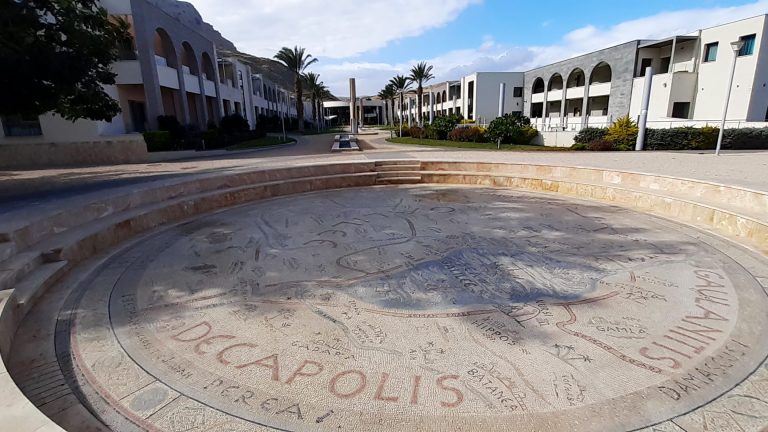 Galilee & NorthMagdala 2027: A Local Guide to the First-Century Synagogue, the Magdala Stone and Duc in Altum on the Sea of GalileeRead the guide →
 Galilee & NorthBest of Beit Shean: A Guide to Israel’s Roman CityRead the guide →
 Galilee & NorthRosh Hanikra: A Guide to the White Cliffs and GrottoesRead the guide →
Plan your trip
We have been guiding travelers across Israel, Jordan and Egypt since 2008, and the north is one of the places our guides love most. If you want to see the Galilee and the Golan and still have time for the blue lanes of Safed, we can help you plan the days so nothing feels rushed.
A great place to start is our Nazareth and Golan Heights 2 day tour, which gives you a night in the north and an easy way to add Safed to your trip. You can also browse every option on our northern Israel tours page or explore more destinations in our travel guide.
Have a question about dates, Shabbat timing or a private route? Message us on WhatsApp at 08-6338361 (international +972 8-633-8361) or email [email protected]. A real person from our team will answer and help you build the right trip.
Cover photo: שלומית מסיקה Shlomit Messica, CC BY 2.5, via Wikimedia Commons