

The best shopping Jerusalem offers is split between three areas. Mahane Yehuda Market is for food and spices, the Old City souk is for crafts and religious souvenirs, and Mamilla and Ben Yehuda Street are for brands, Judaica and cafes. Plan around Shabbat, because most Jewish-owned shops close from Friday afternoon until Saturday night.
★ Add Booking-Tours as a preferred source on Google
We run guided trips to Jerusalem every week from Tel Aviv, Herzliya and Jerusalem hotels. Our guests ask about shopping more than almost anything else. This guide covers where to go, what to buy, when shops are open and how to avoid paying too much.
Shopping Jerusalem at a glance
| Key fact | Details |
|---|---|
| Location | West Jerusalem (Mahane Yehuda, Ben Yehuda, Mamilla) and the walled Old City |
| How long to spend | Half a day for one area, a full day for the Old City plus the market |
| Best time | Sunday to Thursday for full opening hours. Thursday evening and Friday morning for the busiest market buzz |
| How to get there | Train from Tel Aviv to Jerusalem Yitzhak Navon station, then the light rail. Or a guided day tour with hotel pickup |
| What it costs | Free to browse. For guided tours, see tour prices below |
| Payment | Shekels in cash work best in the souk. Cards are accepted in most shops and malls |
| Booking tip | If shopping matters to you, plan your Jerusalem day from Sunday to Thursday |
Where to go shopping in Jerusalem: the main areas
Jerusalem is not one big shopping street. It is a set of very different neighborhoods, each good for one kind of buying. Pick two that match what you want, and you will have a better day than trying to see everything.
Mahane Yehuda Market (the shuk)
This is the city's main food market, and locals still do their weekly shopping here. You will find spices, dried fruit, nuts, halva, fresh pastries, cheese, olives, coffee and tea. In recent years, small design shops, bars and restaurants have moved in between the produce stalls.
Come hungry and taste as you go. Many vendors will offer you a sample of halva or dates. At night, after the stalls close, the alleys turn into a lively bar scene. You can read more about the market's history on the Mahane Yehuda Market page on Wikipedia, and our local guide to Israeli food explains what to eat while you are there.
The Old City souk
Inside the walls, narrow covered lanes are lined with small shops. David Street runs down from Jaffa Gate, and Christian Quarter Road and Souk Khan el-Zeit branch off from there. Expect olive wood, ceramics, scarves, spices, leather, candles, icons and lots of souvenirs.
Quality varies a lot. Some shops are family businesses that have sold the same crafts for generations. Others sell mass-produced items. Prices are rarely fixed, so bargaining is normal. Our complete Old City Jerusalem visitor guide will help you find your way through the four quarters.
The Old City is a UNESCO World Heritage site, so you will be shopping in the middle of living history. Keep your eyes up as well as on the stalls.
Mamilla Avenue
Mamilla is an open-air shopping street just outside Jaffa Gate. It has international fashion brands, Israeli designers, jewelry, cafes and restaurants with views of the Old City walls. It feels polished and calm compared to the souk.
Prices are fixed here, and it is a good place to buy gifts if you do not enjoy bargaining. It also makes an easy break between the Old City and the Tower of David museum and night show.
Ben Yehuda Street and the downtown triangle
Ben Yehuda is a pedestrian street in the center of West Jerusalem. With nearby Jaffa Road and King George Street, it forms what locals call the downtown triangle. You will find Judaica shops, jewelry, souvenir stores, bookstores and plenty of places to eat.
This is the best area for Judaica, such as mezuzah cases, kiddush cups, menorahs and prayer shawls. Shops here often ship abroad, which helps with heavy or fragile items.
First Station and Hutzot Hayotzer
The First Station is a restored Ottoman-era train station turned into a space with restaurants, small shops and events. It is known for staying open on Shabbat, which makes it useful on a Saturday. Check current hours before you go.
Hutzot Hayotzer, an artists' lane below the Old City walls near Jaffa Gate, has studios for jewelry, glass and Judaica. It is quieter than the souk and good for one-of-a-kind pieces.
Malha Mall for everyday shopping
If you need regular things like clothes, phone accessories or a pharmacy, Malha Mall is one of the city's largest malls. It is not a tourist sight, but it is practical if you are staying in Jerusalem for several days.
What to buy: the best Jerusalem souvenirs
Here is what our guides recommend to guests who want something meaningful, not just a magnet.
- Armenian ceramics. Hand-painted plates, tiles and bowls, made in studios in and around the Armenian Quarter.
- Olive wood carvings. Nativity sets, crosses and rosaries, many carved in Bethlehem. Look for solid pieces with visible grain.
- Hebron glass and pottery. Blue and green hand-blown glass, sold in many Old City shops.
- Judaica. Kiddush cups, Shabbat candlesticks, mezuzah cases and hand-made challah covers.
- Spices and za'atar. Buy from Mahane Yehuda or the souk and ask for it vacuum-sealed for the flight.
- Halva, tahini and dates. Easy to pack and loved by people back home.
- Dead Sea cosmetics. Salts, mud and creams. Our guide to Dead Sea mud explains what is worth buying.
- Jewelry. Silver, Roman glass pieces and Eilat stone, sold in both the Old City and downtown.
A note on antiquities: old coins and oil lamps are sold in some licensed shops. Buy only from a licensed dealer, ask for a certificate, and check the export rules with the Israel Antiquities Authority before you buy. Taking antiquities out of Israel without the correct permit is not allowed.
Shopping Jerusalem around Shabbat, holidays and prayer times
Timing is the most common mistake we see. Jerusalem has three weekly rhythms, one for each faith, and they affect which shops are open.
- Friday afternoon to Saturday night (Shabbat). Most Jewish-owned shops, Mahane Yehuda, Mamilla and downtown close. The light rail and most buses stop. Many Old City shops in the Muslim and Christian Quarters stay open.
- Friday midday. Some Muslim-owned shops in the Old City close for a few hours around Friday prayers.
- Sunday. Some Christian-owned shops in the Christian Quarter close or open late.
Thursday evening and Friday morning are when Mahane Yehuda is busiest, as locals shop for Shabbat. It is fun and loud, but also crowded. If you want space to browse, go Sunday to Wednesday morning.
Major holidays change everything. On Yom Kippur almost the whole city stops. During Passover, many food stalls change what they sell. During Ramadan, hours in the Muslim Quarter shift toward the evening. Holiday dates move every year, so check them when you plan.
How to get there from Tel Aviv, Jerusalem hotels or Eilat
From a Jerusalem hotel
The light rail Red Line runs along Jaffa Road and stops at Mahane Yehuda, Jaffa Center and City Hall. From City Hall you can walk to Jaffa Gate, Mamilla and the Old City. Taxis are easy to find, but ask the driver to use the meter.
From Tel Aviv or Herzliya
The fast train runs from Tel Aviv to Jerusalem Yitzhak Navon station. From there, take the light rail toward downtown. Trains do not run on Shabbat. Our guide to getting from Tel Aviv to Jerusalem by train, bus, taxi or day tour covers every option in detail.
If you prefer not to deal with transport, a guided day tour with hotel pickup takes care of it. Tours focus on the holy sites, so ask your guide during breaks where to find reputable shops nearby.
From Eilat
Jerusalem is a long trip from Eilat by road, across the Negev. Buses run, but plan for most of a day each way, so a Jerusalem shopping trip from Eilat works best as an overnight stay. Many of our Eilat guests fly or bus north and join a Jerusalem day tour from there.
One local tip: Eilat is a VAT-free zone. If you are also spending time in Eilat, larger purchases like electronics or cosmetics may cost less there. Our list of things to do in Eilat includes the best shopping areas in town.
Bargaining, payment and tax refund tips
In the Old City souk, the first price is usually a starting point. Bargaining is expected and friendly, not rude. Here is how our guides teach it.
- Decide in your head what the item is worth to you before you ask the price.
- Ask the price, smile, and offer less than you are willing to pay.
- Meet somewhere in the middle. If it feels too high, thank the seller and walk away. Sometimes the price drops.
- Do not start bargaining unless you really might buy. It is considered poor manners.
- Pay in shekels when you can. Dollars are sometimes accepted, but the exchange rate may not favor you.
In Mamilla, downtown shops, malls and Mahane Yehuda food stalls, prices are usually fixed. Cards are widely accepted, though small stalls may prefer cash.
Tourists can often claim a VAT refund at Ben Gurion Airport for purchases from participating stores above a minimum amount. Ask for the special tax refund invoice when you pay, and keep the goods with you for inspection. Rules and minimum amounts can change, so check the current details before you fly.
Be careful with scarves, rugs and jewelry sold as hand-made or antique. If a deal sounds too good, it probably is. Buying from a shop with a fixed address and a receipt gives you some protection.
Planning your visit in 2027: safety, dress and timing
If you are building a shopping Jerusalem 2027 itinerary, start with the calendar. Check Jewish, Christian and Muslim holiday dates for your travel week, then put your market day on a Sunday to Thursday. Opening hours, train schedules and tour prices in this guide are current at the time of writing and can change.
On safety, as of November 2026, conditions in the region can change quickly. Before you travel, check the official US State Department travel advisories or your own government's advice. The Israel Ministry of Tourism site also posts visitor updates. In crowded markets, keep your bag zipped and in front of you, as you would in any busy city.
For dress, there is no strict code in the markets. But the Old City is full of holy sites, and you will likely step into a church or walk past the Western Wall. Covered shoulders and knees save you from being turned away. Wear comfortable shoes, because Old City streets are stone, uneven and often slippery.
Winter visitors should also check the weather. Our guide to winter weather and snow days in Jerusalem explains what to expect from December to February, when rain can make outdoor markets less pleasant.
Jerusalem tours to pair with your shopping day
Our tours focus on the history and holy sites, not on shop visits. The smart plan is to see the sites with a guide, then shop on your own afterward or on a free day. Here is how the most relevant options compare.
| Tour | Who it suits | Duration | Price |
|---|---|---|---|
| Jerusalem Half Day Tour of the Old City | Shoppers who want the key sites in a morning and a free afternoon for the market | 5 hours | from $50 |
| Jerusalem Old City Tour with a Late Start | Travelers staying in Jerusalem who prefer a relaxed 10 AM start | Full day | from $70 |
| Jerusalem Highlights Tour with hotel pickup | First-time visitors coming from Tel Aviv or Herzliya | Full day | from $75 |
| Jerusalem Full Day Tour from Tel Aviv, Herzliya or Jerusalem | Visitors who want the Mount of Olives, Mount Zion and the Old City in one day | Full day | from $75 |
| Christian Jerusalem Tour in the Footsteps of Jesus | Pilgrims looking for olive wood, icons and religious gifts after the holy sites | 10 hours | from $89 |
If you are short on time, the half day tour is the best match for shoppers. You see the Old City with a licensed guide and still have hours left for Mahane Yehuda or Mamilla. For a wider comparison, read our guide to the best Jerusalem tours compared by local guides. All our day tours have free cancellation up to 36 hours before the start time.
Tours that include Shopping Jerusalem
Live prices and dates, hotel pickup on most tours, and a local team in Eilat that answers on WhatsApp.
 City of David Tour JerusalemFrom $89View tour
 Christian Jerusalem Tour: In the Footsteps of JesusFrom $89View tour
 Jerusalem and Dead Sea Tour: Ancient History Meets Natural WonderFrom $106View tour
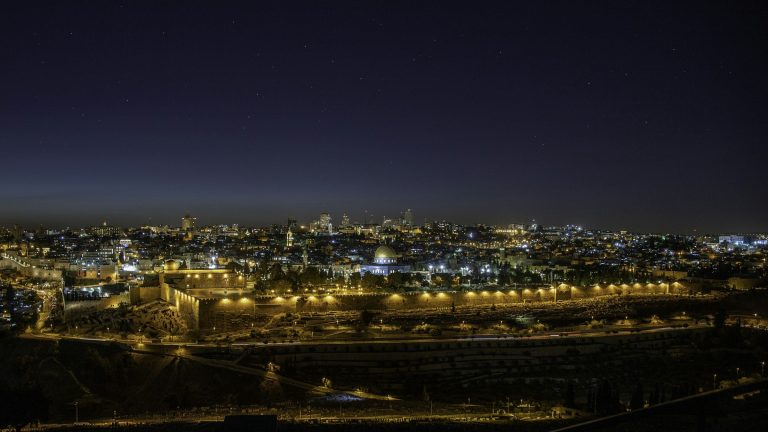 Jerusalem Old City Tour with a Late StartFrom $70View tour
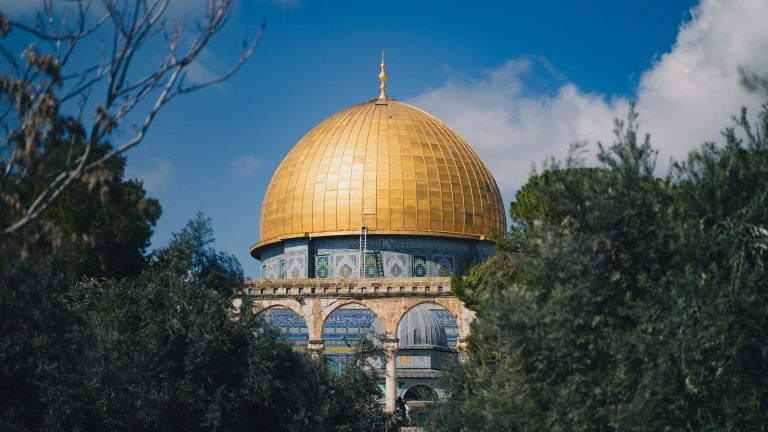 Jerusalem Highlights TourFrom $75View tour
 Jerusalem and Bethlehem TourFrom $106View tour
Frequently asked questions about shopping Jerusalem
What is the best place for shopping in Jerusalem?
It depends on what you want. Mahane Yehuda is best for food and spices, the Old City souk for crafts and religious souvenirs, and Ben Yehuda Street for Judaica. Mamilla is best for brands and fixed-price gifts.
How long do you need for shopping in Jerusalem?
Plan two to three hours for one area, such as Mahane Yehuda or the Old City souk. A full day lets you combine the Old City in the morning with the market in the afternoon. Add time for food, because tasting is half the fun.
Are shops in Jerusalem open on Saturday?
Most Jewish-owned shops, Mahane Yehuda and Mamilla close from Friday afternoon until Saturday night for Shabbat. Many shops in the Old City's Muslim and Christian Quarters stay open. The First Station is also known for being open on Shabbat, but check current hours.
Can you go shopping in Jerusalem on a day trip from Tel Aviv?
Yes. The fast train and the light rail make it easy on Sunday to Thursday. You can also join a guided day tour with hotel pickup and shop in your free time. Just avoid Friday afternoon and Saturday, when trains stop and many shops close.
Can you visit Jerusalem markets from Eilat?
You can, but it is a long journey by road, so we suggest staying at least one night in Jerusalem. Many Eilat guests travel north and join a Jerusalem tour the next morning. Message us on WhatsApp and we can help you plan the route.
Should you bargain in the Old City market?
Yes, bargaining is normal in the Old City souk. Start lower than the asking price and meet in the middle. In Mamilla, downtown shops and most Mahane Yehuda food stalls, prices are fixed.
Is there a dress code for shopping in the Old City?
The markets have no strict dress code. But churches, the Western Wall and other holy sites ask for covered shoulders and knees. Dress modestly and you can walk into any site along your shopping route.
Is Mahane Yehuda Market worth it?
Yes, it is one of the best places to feel everyday Jerusalem life. Even if you buy nothing, the tastings, smells and people make it worth an hour. Go on a weekday morning for space or Thursday evening for the buzz.
Keep planning
More travel guides for this trip
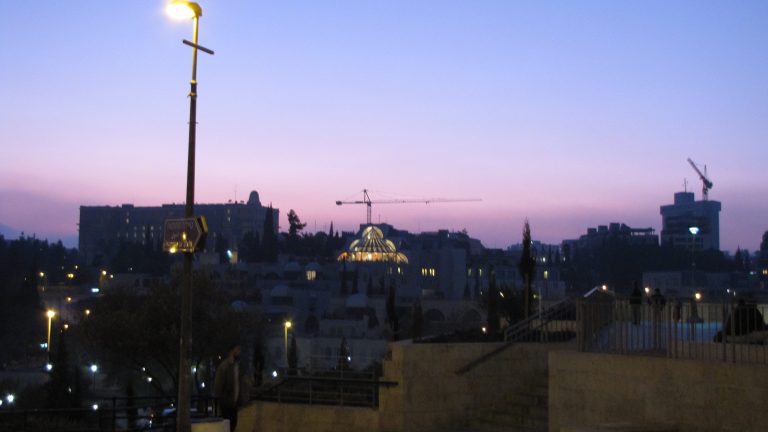 JerusalemHoly Land Tour 2027: How to Plan a Christian Pilgrimage to Jerusalem, Bethlehem and the Galilee, from Local GuidesRead the guide →
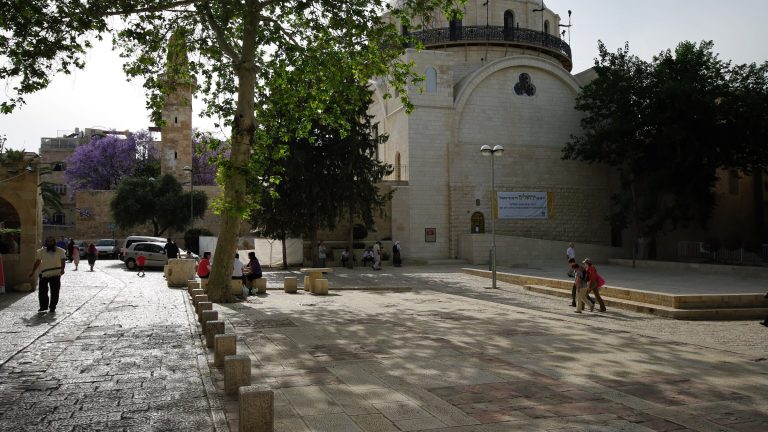 JerusalemJewish Quarter Jerusalem 2027: A Local Guide to the Hurva Synagogue, the Cardo, the Burnt House and the Western WallRead the guide →
 JerusalemIsrael Tour Packages 2027: How to Compare Trip Length, Hotel Level and the Tours Worth Booking, from Local GuidesRead the guide →
Plan your trip
Jerusalem is a city where you can buy a hand-painted Armenian plate, taste fresh halva and walk past 3,000 years of history in one afternoon. The trick is good timing and a little local know-how. Our guides live this city every week, and we are happy to help you plan a day that fits.
For most shoppers, we recommend the Jerusalem Half Day Tour, from $50, which leaves your afternoon free for the markets. Browse every option on our Jerusalem tours and travel hub, or see the bigger picture in our Israel, Jordan and Egypt travel guide. If you are adding Petra to your trip, Jordan border and visa fees on our Israel to Jordan tours are 140 USD per person in total, and you can pre-pay them on the booking form.
Questions? Message us on WhatsApp at 08-6338361 (international +972 8-633-8361) or email [email protected]. Tell us your dates and what you want to buy, and we will suggest the best day and tour for you.
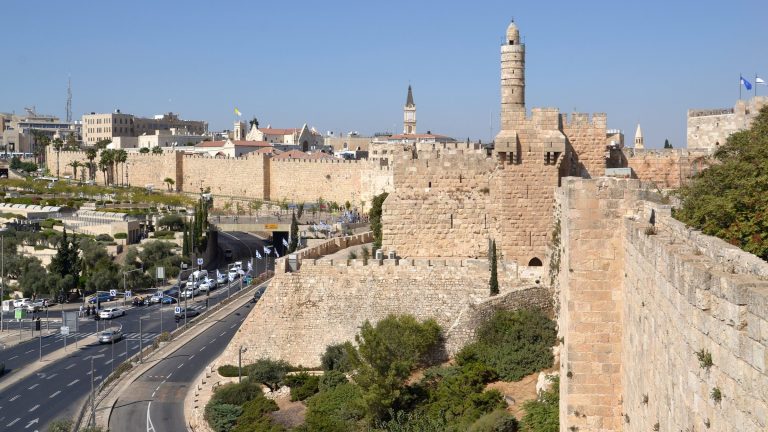
Cover photo: -jkb-, CC BY-SA 3.0, via Wikimedia Commons