

Traveling to Israel is easier when you know a few things before you land: how money and tipping work, how transport changes on Shabbat, what to wear at holy sites and how to get a phone line. This guide covers each one from the view of local guides who drive these roads every week. It also shows when a guided tour saves you time and stress.
★ Add Booking-Tours as a preferred source on Google
Traveling to Israel at a glance
| Key fact | What you need to know |
|---|---|
| Location | Eastern Mediterranean, bordering Jordan and Egypt |
| How long to spend | 7 to 10 days covers Tel Aviv, Jerusalem, the Dead Sea and the Galilee at a relaxed pace. 4 to 6 days works on a guided tour. |
| Best time | Spring (March to May) and autumn (September to November) |
| How to get there | Most visitors fly into Ben Gurion Airport near Tel Aviv. Some flights land at Ramon Airport near Eilat. |
| Currency | Israeli new shekel (ILS, also written NIS) |
| What it costs | Varies by style of trip. See tour prices below. |
| Booking tip | Check the Shabbat and holiday calendar before you fix your dates. Our day tours have free cancellation up to 36 hours before the start time. |
Planning your visit in 2027: entry rules, timing and safety
Most people researching traveling to israel 2027 ask about the same three things: paperwork, weather and safety. Let us take them in order. Everything below is current at the time of writing in November 2026, and rules can change.
Entry paperwork
Many visa-exempt nationalities, including US, UK, Canadian and EU citizens, now need an electronic travel authorization called ETA-IL before they fly. Apply online well before your trip, using only the official Israeli government site. Requirements and fees can change, so confirm the current rules through the official Israel Ministry of Tourism site, Go Israel.
Israel does not stamp most passports. Instead, you get a small blue entry slip at passport control. Keep it with your passport for the whole trip, because hotels ask to see it.
Best time of year
Spring and autumn give you warm days that are still comfortable for walking. Summer is very hot, especially at the Dead Sea, Masada and Eilat, so plan outdoor sites for early morning. Winter brings rain to Jerusalem and the Galilee, and cool nights in the hills.
Jewish holidays such as Passover and Sukkot are busy times. Hotels fill up and prices rise, so book early if your dates fall on them.
Safety
As of November 2026, the security situation in the region can change quickly. Check your own government's travel advisory before you book and again before you fly, for example the US State Department travel advisories. Once you arrive, follow local instructions from the Home Front Command, download its official app and ask your hotel where the nearest shelter is. Our guides follow official guidance and adjust routes when needed.
Money in Israel: shekels, cards and ATMs
Israel uses the shekel. Credit cards and contactless payments are accepted almost everywhere, from supermarkets to taxis to museum ticket desks. Visa and Mastercard are the safest choices, while some small shops do not take American Express.
ATMs are easy to find in cities. Use machines attached to banks when you can, and decline the offer to convert your withdrawal into your home currency. Your own bank usually gives a better rate.
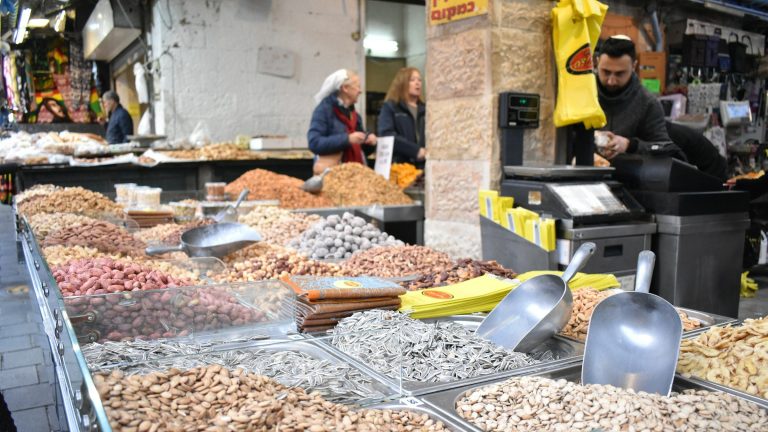
Carry some cash for market stalls, small cafes and tips. In the Old City of Jerusalem, many souvenir sellers prefer cash and expect a little friendly bargaining. Our guide to shopping in Jerusalem, from Mahane Yehuda to the Old City souk explains how to haggle politely.
VAT and tax-free shopping
Israel adds VAT to most prices. Foreign tourists can often avoid VAT on hotel bills by showing the blue entry slip, so ask at check-in. For bigger purchases, ask shops about a VAT refund form you can claim at the airport. Eilat is a VAT-free zone, which is one reason locals shop there.
Tipping in Israel: who, when and how much
Tipping matters when you are traveling to Israel, and the rules are simple. In sit-down restaurants and cafes, a tip of around 10 to 15 percent is normal. Check the bill first. Some places add service, but many do not, and staff rely on tips.
You can add the tip to your card payment in most restaurants. Tell the server before they run the card, because the machine may not ask you.
Taxi drivers do not expect a tip. Rounding up is a kind gesture. Hotel porters and housekeeping appreciate a small tip in shekels. On guided tours, tipping your guide and driver is customary and always welcome, but never required. Give what feels right for the service you received.
Getting around: trains, buses, taxis and tours
Israel is small, and public transport covers most of the country. Trains link Ben Gurion Airport, Tel Aviv, Jerusalem, Haifa and other cities. Buses go almost everywhere else.
Rav-Kav and transport apps
Buses and trains run on a smart card called Rav-Kav. You can buy and load one at train stations and some kiosks. Many routes also accept contactless bank cards or mobile payment apps, though this varies by operator, so ask before you board.
Download the Moovit app for routes and live times. It works in English and is what most locals use. For the busy route between the two biggest cities, read our guide to getting from Tel Aviv to Jerusalem by train, bus, taxi or day tour.
Taxis and ride apps
Licensed taxis must use the meter inside cities. Ask the driver to turn it on before you start. Apps such as Gett and Uber work in Israel, and they book licensed taxis, which takes away price confusion.
Shared taxis called sherut follow set routes between some cities. Some of them run when buses do not, including on Shabbat.
Driving and guided tours
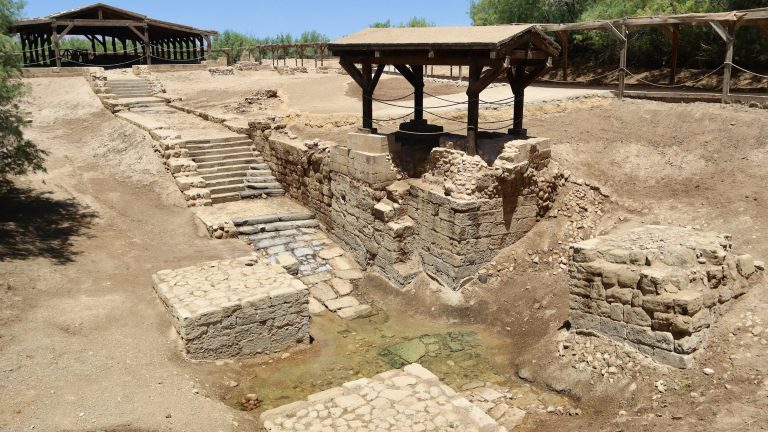
Renting a car makes sense for the Galilee, the Golan and the Negev. In Jerusalem and Tel Aviv, parking is hard and traffic is slow. Some places, such as Bethlehem and Jericho, are in the West Bank, where many rental companies do not allow their cars and different rules apply. A guided tour with hotel pickup handles these crossings for you.
Shabbat and holidays: what closes and what stays open
Shabbat, the Jewish day of rest, runs from Friday before sunset to Saturday after dark. It shapes every Israel travel plan, so build your week around it.
Most trains and intercity buses stop on Friday afternoon and restart on Saturday evening. Exact times change through the year, so check Moovit or the operator's website for your dates. Taxis, ride apps and sherut lines still run, but fares can be higher.
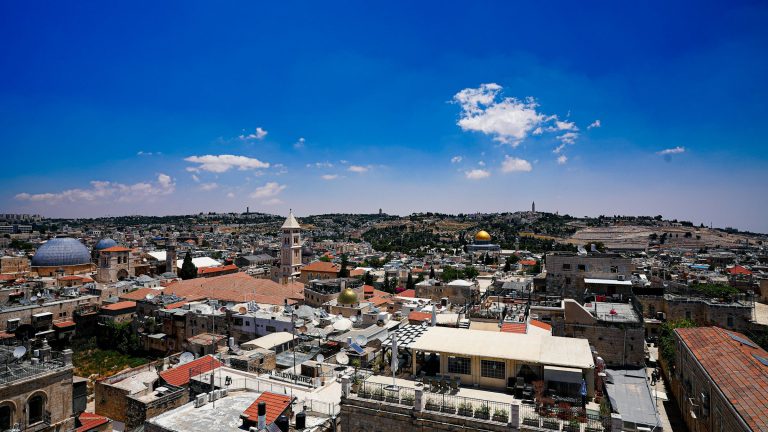
Jerusalem gets very quiet. Many Jewish shops and restaurants close, while the Muslim and Christian Quarters of the Old City and East Jerusalem stay open. Tel Aviv is much livelier, with many cafes, bars and beaches busy all weekend. Our Tel Aviv beaches guide is a good plan for a slow Saturday.
Some hotels have a Shabbat elevator that stops on every floor automatically. Hotel breakfasts may be cold on Saturday morning. Yom Kippur is the strictest day of the year, when almost everything closes and roads empty, so avoid touring that day.
What to wear at holy sites in Israel
Dress codes are one of the most useful Israel travel tips we give guests. At churches, synagogues, mosques and the Western Wall, cover your shoulders and knees. This applies to men and women. A light scarf and long trousers or a long skirt in your day bag solve most problems.
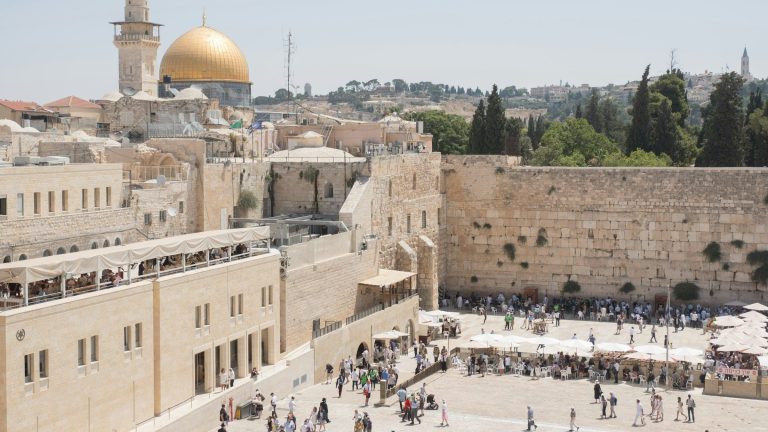
- Western Wall: Men and women pray in separate sections. Men should cover their heads, and paper kippahs are usually provided at the entrance. On Shabbat, photography and phone use at the Wall are not allowed.
- Churches: The Church of the Holy Sepulchre and other churches expect modest dress. See our guide to the Christian Quarter of Jerusalem and the Holy Sepulchre for what to expect inside.
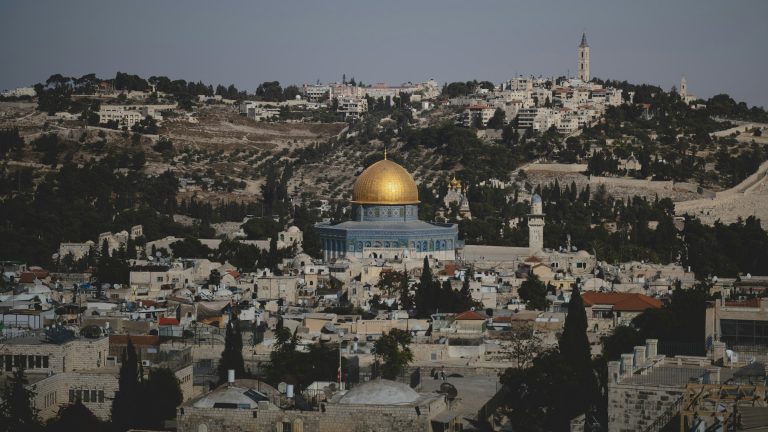
- Mosques and the Temple Mount: Women may be asked to cover their hair. Access for non-Muslim visitors is limited to set hours that change often, so check on the day.
- Nazareth: The same rules apply at the Church of the Annunciation in Nazareth.
Wear comfortable shoes with good grip. Old City stones are smooth and slippery, and many sites mean a lot of walking and stairs. Some ultra-Orthodox neighborhoods in Jerusalem post signs asking visitors to dress modestly, and it is polite to follow them.
SIM cards, eSIMs and staying connected
Staying connected is easy when traveling to Israel. If your phone supports eSIM, you can buy an Israel data plan online before you fly and switch it on when you land. This is the fastest option.
Local carriers such as Partner, Cellcom, Pelephone and HOT Mobile sell prepaid tourist SIM cards. You can find them at the airport and at phone shops in cities. Bring your passport, because sellers usually ask for it.
Mobile coverage is strong in cities and along main roads. It gets weaker in deep desert valleys and some parts of the Negev. Free Wi-Fi is common in hotels, cafes and many public spaces in Tel Aviv.
If you plan a side trip to Jordan or Egypt, your Israeli SIM may not work there, or roaming may be costly. Download offline maps and message your hotel or guide before you cross.
More Israel travel tips from our local guides
This short Israel travel guide would not be complete without the small things that make days easier. Here is what we tell every group on the first morning.
- Water: Tap water is safe to drink. Carry a refillable bottle, especially at the Dead Sea and Masada.
- Power plugs: Israel uses 230V with type H and type C plugs. Most two-pin European plugs fit.
- Food: Many hotel restaurants are kosher, so meat and dairy are not served together. Read our Tel Aviv food guide for markets and dishes to try.
- Week rhythm: Sunday is a working day in Israel. Museums and offices often have shorter hours on Friday.
- Security checks: Expect bag checks at malls, train stations and some sites. They are quick and routine.
- Airport: Arrive early for departure. Security questioning at Ben Gurion can take time.
Adding Jordan or Egypt to your trip
Many guests add Petra or Sinai from Eilat. On our Israel to Jordan tours, border and visa fees are 140 USD per person in total. You can pre-pay them on the booking form so you skip paying cash at the border. Petra 1-day entrance is 130 USD per person at the time of writing, and fees can change. Our guides to the Allenby Bridge crossing and easier routes via Eilat and the Jordan Pass explain the options.
For Egypt, Taba visa and border fees can also be pre-paid on the booking form. See our guide to Egypt tours from Israel for Cairo trips and Sinai options.
Best guided tours for traveling to Israel, compared
If you do not want to drive, plan around Shabbat or work out West Bank crossings, a multi-day tour handles it for you. All of these include hotel nights, an English-speaking guide and transport. Tours that include hotels are non-refundable, so be sure of your dates before you book.
| Tour | Best for | Duration | Price |
|---|---|---|---|
| 4 day Jewish Israel tour with Masada, City of David and the Golan | Travelers focused on Jewish history and heritage | 4 days | from $775 per adult |
| Israel highlights 4 day tour from Tel Aviv with Jerusalem, Caesarea and Nazareth | First-time visitors who want the best-known sites in a short trip | 4 days | from $828 per adult |
| 4 day Christian Israel tour with Bethlehem, Jericho and Capernaum | Christian pilgrims and church groups | 4 days | from $897 per adult |
| 5 day Israel tour from a Tel Aviv hotel base | Visitors who want one hotel base and a Dead Sea spa day | 5 days | from $959 per adult |
| 6 day Israel tour covering the Old City, Masada, Golan and Galilee | Travelers who want to see the whole country at a calmer pace | 6 days | from $1000 per adult |
Prefer to start with a single day? Our comparison of the best Jerusalem tours covers half-day, full-day and private options.
Tours that include Traveling To Israel
Live prices and dates, hotel pickup on most tours, and a local team in Eilat that answers on WhatsApp.

Frequently asked questions about traveling to Israel
How many days do you need in Israel?
Seven to ten days lets you see Tel Aviv, Jerusalem, the Dead Sea and the Galilee without rushing. With four to six days, a guided tour helps you cover more ground. Add two or three days if you plan to visit Petra or Sinai.
How much does a trip to Israel cost?
Israel is one of the more expensive countries in the region, especially for hotels and restaurants. Our multi-day tours start from $775 per adult and include hotels and breakfast. Entry tickets and prices change, so check current rates before you go.
What is the best time for Israel travel?
Spring and autumn are best for most travelers. Summer is very hot in the desert, and winter brings rain to Jerusalem and the north. Check the Jewish holiday calendar too, since hotels fill up fast around major holidays.
Do I need a visa or ETA to visit Israel?
Many visa-exempt travelers now need an ETA-IL before flying. Others need a full visa. Rules can change, so confirm on the official Israeli government site and with your airline before you travel.
What is the dress code at holy sites in Israel?
Cover your shoulders and knees at churches, synagogues, mosques and the Western Wall. Men cover their heads at the Wall, and women may need to cover their hair in mosques. A scarf in your bag solves most situations.
Do people tip in Israel?
Yes. Around 10 to 15 percent is normal in restaurants unless service is already on the bill. Taxi drivers do not expect tips, while tipping tour guides and drivers is customary.
Can you visit Petra from Israel?
Yes. Many guests cross from Eilat for a day or longer. On our Israel to Jordan tours, border and visa fees are 140 USD per person in total and can be pre-paid on the booking form.
Is traveling to Israel worth it?
For history, faith, food and landscapes packed into a small country, many travelers say yes. You can float in the Dead Sea, walk the Old City and eat in Tel Aviv within a few days. Check official travel advisories before you book so you can decide with current information.
Keep planning
More travel guides for this trip
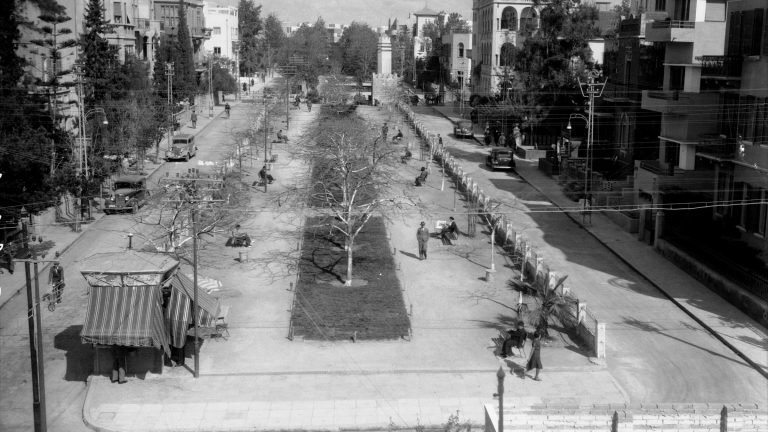 Tel AvivRothschild Boulevard Tel Aviv 2027: A Local Guide to the Bauhaus Buildings, Independence Hall, the Best Walking Route and Getting ThereRead the guide →
 Tel AvivSarona Market in Tel Aviv 2027: A Local Guide to What to Eat, When to Go and How to Get ThereRead the guide →
 Tel AvivJaffa, Israel: The Ultimate Guide to the Old City and PortRead the guide →
Plan your trip
Planning is the hardest part of traveling to Israel, and it is the part we do every week. If you want one trip that covers the whole country, the 6 day Israel tour from Tel Aviv or Jerusalem handles hotels, transport and timing around Shabbat for you. If Tel Aviv is your base, our Tel Aviv tours and guides hub shows every day trip and package that starts there, and our full travel guide covers Israel, Jordan and Egypt.
Have a question about dates, dress codes or adding Petra? Message us on WhatsApp at 08-6338361 (international +972 8-633-8361) or email [email protected]. A real person from our Eilat team will answer and help you build the trip that fits you.
Cover photo: Suicasmo, CC BY-SA 4.0, via Wikimedia Commons