

The best time to visit Israel for most travelers is spring (March to May) or fall (late September to November), when days are warm, nights are pleasant and you can tour Jerusalem, the Dead Sea and the Galilee in comfort. The catch is that these months also hold the biggest Jewish and Christian holidays, so prices and crowds can jump on certain weeks. Pick your dates around the holiday calendar, not just the weather, and you will get the best of both.
★ Add Booking-Tours as a preferred source on Google
We are a local team based in Eilat, and we have been guiding trips across Israel, Jordan and Egypt since 2008. This guide is what we tell our own guests when they ask us when to come.
Best time to visit Israel at a glance
| Key fact | What you need to know |
|---|---|
| Location | Eastern Mediterranean, with a coast, mountains, the Galilee in the north and desert in the south |
| Best overall months | March to May and late September to November |
| How long to spend | 4 to 6 days covers the main highlights; a week or more lets you add Eilat, Petra or Egypt |
| Hottest months | July and August, especially at the Dead Sea and in Eilat |
| Rainy season | Roughly November to March, mostly in the north and in Jerusalem |
| How to get there | Most visitors fly into Ben Gurion Airport near Tel Aviv |
| What it costs | Varies by season; see our Israel tour package prices |
| Booking tip | Check Jewish holiday dates first, then book hotels early for Passover, Sukkot and Christmas |
Why the best time to visit Israel depends on where you go
Israel is small, but its weather changes a lot from region to region. On the same day in April, you might need a light jacket in Jerusalem at night and a sun hat at the Dead Sea. Plan for the hottest and coldest place on your route, not the average.
Here is a simple way to think about it:
- Jerusalem sits in the hills, so it is cooler and windier than the coast. Winter nights can be cold, and in some years it even snows. Our guide does it snow in Jerusalem explains what a winter visit is really like.
- Tel Aviv and the coast are mild in winter and humid in summer. Beach season runs from about May to October.
- The Dead Sea and Masada are in the desert at the lowest point on land. They are pleasant in winter and very hot in summer.
- The Galilee and Golan are green and fresh in spring, with most rain falling in winter.
- Eilat, where we are based, is a winter sun spot. Summers are extremely hot, but December to March is warm and sunny most days.
For live forecasts and climate data, check the Israel Meteorological Service before you pack.
Israel weather by month
This table gives you a quick view of Israel weather by month, plus how busy each month usually feels. Weather varies year to year, so treat this as a guide, not a promise.
| Month | Weather and crowds |
|---|---|
| January | Coolest month. Rain is likely in Jerusalem and the north. Quiet, good hotel value, great for Eilat and the Dead Sea. |
| February | Still cool and wet at times. Wildflowers start in the Galilee. Low crowds. |
| March | Warming up, green hills, some rain. Western Easter often falls in March or April, which brings pilgrim groups. |
| April | Warm days, cool evenings. Passover and Easter make this one of the busiest and priciest months. |
| May | Warm to hot, dry. Fewer holidays, good touring weather, beach season begins. |
| June | Hot and dry. Long days. Desert sites need early starts. |
| July | Peak heat. Israeli school holidays begin, so beaches and family hotels get busy. |
| August | Hottest and most humid on the coast. Local summer vacation peak. |
| September | Still hot early on, easing later. Jewish High Holidays can start in September or October. |
| October | Very pleasant weather. Holidays like Sukkot can bring crowds and higher prices. |
| November | Mild, first rains possible. One of our favorite months: good weather and calmer sites. |
| December | Cool and sometimes rainy. Christmas in Bethlehem and Nazareth is busy. Hanukkah adds a festive feel. |
When to visit Israel, season by season
Spring (March to May)
Spring is the classic answer to the question of when to visit Israel. The Galilee is green, the desert is still comfortable, and you can walk the Old City all day without overheating. Our best Galilee tours guide shows which trips make the most of the season.
The downside is demand. Passover and Easter usually fall in this window, and hotels in Jerusalem fill up fast. If you want spring without the rush, aim for early March or the middle of May.
Summer (June to August)
Summer is hot everywhere, and very hot at the Dead Sea and in Eilat. You can still tour well if you start early, take a midday break and drink a lot of water. Many travelers enjoy pairing city touring with Tel Aviv beach time.
Israeli families travel in July and August, so domestic hotels and attractions get busy. Desert hikes and the Masada climb are best done at dawn. Our Masada cable car guide explains your options if you would rather ride than climb in the heat.
Fall (September to November)
Fall is our other top pick for the best time to go to Israel. The summer heat breaks, the sea is still warm, and the light is beautiful for photos. Late October and November are often the sweet spot.
Watch the holiday calendar closely. Rosh Hashanah, Yom Kippur and Sukkot usually fall in September or October. They are wonderful to experience, but they change opening hours, transport and prices.
Winter (December to February)
Winter is the quietest and often the best value season. Expect rain on some days in Jerusalem and the north, and pack a warm layer for evenings. The Dead Sea and Eilat are at their most comfortable now.
Winter is also our busiest time for trips from Eilat to Jordan. If you want to add Petra, read our Petra weather guide first, since it gets cold at night in winter. On our Israel to Jordan tours, border and visa fees total 140 USD per person, and you can pre-pay them on the booking form so you do not need cash at the border.
How Shabbat affects your trip
Shabbat, the Jewish day of rest, runs from Friday before sunset to Saturday after dark. It happens every week, all year, so it matters more for your plans than almost any single holiday. Here is what changes:
- Public transport: most trains and intercity buses stop. Plan airport and city transfers with this in mind.
- Shops and restaurants: in Jerusalem many close, especially in Jewish neighborhoods. Tel Aviv stays much more open.
- Sites: some sites close early on Friday or stay closed on Saturday. Christian and Muslim sites follow their own schedules.
- The Western Wall: it is open, and Friday evening is a moving time to visit. Photography and phones are not appropriate there on Shabbat.
Our practical guide to traveling to Israel covers Shabbat transport, money, dress codes and SIM cards in more detail. On a guided tour, your driver and guide handle the logistics, which is one reason many guests choose a package.
Planning your visit in 2027: holidays to check first
If you are searching for the best time to visit Israel 2027, start with the holiday calendar, then look at weather. Holidays follow the Hebrew lunar calendar, so they move on the Western calendar each year. The dates below are expected at the time of writing. Always confirm with an official calendar before you book.
- Passover: expected to begin on the evening of April 21, 2027. Hotels are full and expensive, and bread is hard to find in Jerusalem for the week.
- Easter: Western Easter is expected on March 28, 2027, and Orthodox Easter on May 2, 2027. Jerusalem's Christian sites are very crowded during Holy Week.
- Ramadan: expected roughly from February into early March 2027. Muslim areas keep different hours, and Temple Mount access for non-Muslims may be limited.
- Rosh Hashanah: expected to begin on the evening of October 1, 2027.
- Yom Kippur: expected to begin on the evening of October 10, 2027. The whole country stops for about 25 hours. Roads empty, businesses close and the main airport closes. Do not plan to fly or tour that day.
- Sukkot: expected to begin in mid October 2027. Israelis travel around the country, so book early.
- Hanukkah and Christmas: Hanukkah is expected to begin in late December 2027, around the same time as Christmas. Bethlehem and Nazareth are busy and festive.
The official Israel Ministry of Tourism site lists holiday information and visitor updates. Opening hours and entry fees for sites can change, so check before you go.
Crowds and prices: when you pay more and when you save
Prices in Israel follow demand more than weather. Hotel rates and flights rise sharply during Passover, Sukkot, the High Holidays and Christmas week. The same hotel can cost much less a week later.
Here is how we see it from running tours every week:
- Highest demand: Passover and Easter weeks, Sukkot, Christmas in Bethlehem, and July to August at the beaches.
- Good balance: early March, mid May, early June, late October and November.
- Best value: January and February, except for Eilat, which is popular as a winter sun destination.
If your dates are fixed on a holiday, book as early as you can. If you are flexible, moving your trip by even one week can save money and give you quieter sites.
The best time to visit Israel for your type of trip
The right month also depends on why you are coming. Here is our honest advice.
- Christian pilgrims: spring and fall are ideal. Easter and Christmas are special but crowded. Our Holy Land tour planning guide helps you build a route.
- Jewish heritage travelers: experiencing a holiday in Jerusalem can be the highlight of a lifetime, but plan around closures. Read our Jewish tours in Israel guide for options.
- Families: spring break and the fall months work well. Summer is fine if you plan beach afternoons.
- Dead Sea and desert lovers: November to April is the most comfortable. See our Dead Sea tour from Jerusalem guide.
- Budget travelers: January, February and November usually give the best value.
Compare our Israel tours by season
All of these multi-day tours include hotel nights and run all year. Because they include hotels, they are non-refundable once booked, so lock in your dates after you check the holiday calendar.
| Tour | Who it suits | Duration | Price |
|---|---|---|---|
| 4 day Jewish Israel tour with Masada, the City of David and the Golan | Travelers focused on Jewish history, from Tel Aviv or Jerusalem | 4 days | from $775 per adult |
| Israel highlights 4 day tour from Tel Aviv with Jerusalem, the coast, the Dead Sea and Galilee | First-time visitors who want the best-known places in a short trip | 4 days | from $828 per adult |
| 4 day Christian Israel tour with Bethlehem, Nazareth and Capernaum | Pilgrims based in Tel Aviv with limited time | 4 days | from $897 per adult |
| 5 day Israel tour from a Tel Aviv hotel base | Travelers who want four regions plus a Dead Sea spa day | 5 days | from $959 per adult |
| 6 day Israel tour covering the Old City, Masada, the Golan and Galilee | Anyone who wants the whole country at a relaxed pace | 6 days | from $1000 per adult |
In spring and fall, these tours feel their best. In summer, our guides start early at desert sites. In winter, we pack for rain in the north and enjoy calm days at the Dead Sea.
A note on safety and travel advisories
Security conditions in the region can change quickly. As of November 2026, we advise every traveler to check their own government's travel advisory before booking and again before departure. US travelers can use the US State Department travel site.
Our local team follows official guidance every day and will contact you if anything affects your tour. Travel insurance is always a good idea.
Tours that include Time To Visit Israel
Live prices and dates, hotel pickup on most tours, and a local team in Eilat that answers on WhatsApp.
 City of David Tour JerusalemFrom $89View tour
 Christian Jerusalem Tour: In the Footsteps of JesusFrom $89View tour
 Jerusalem and Dead Sea Tour: Ancient History Meets Natural WonderFrom $106View tour
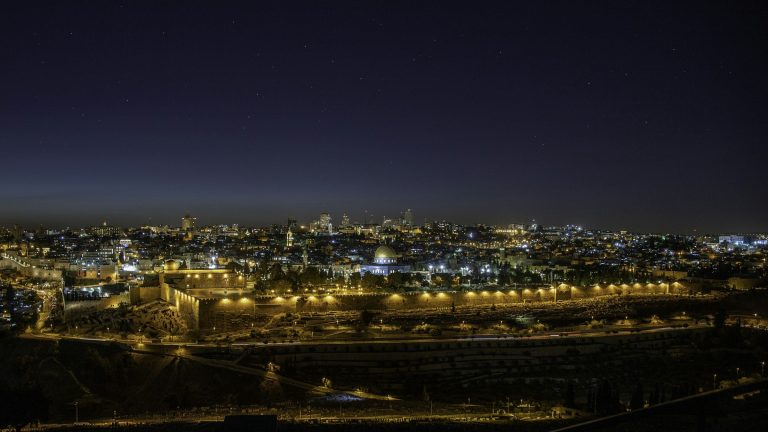 Jerusalem Old City Tour with a Late StartFrom $70View tour
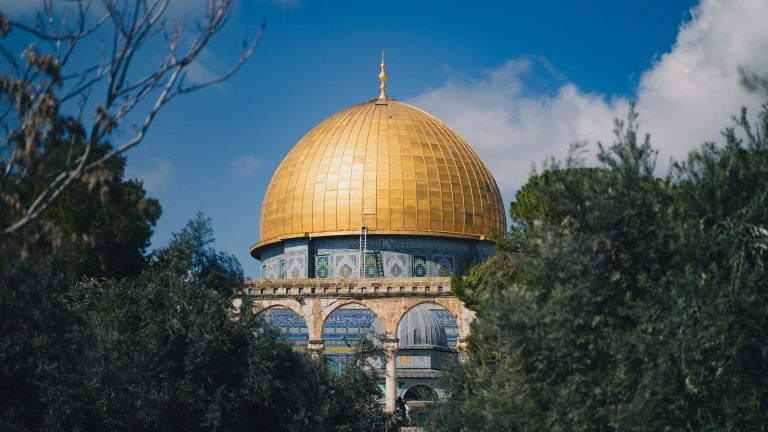 Jerusalem Highlights TourFrom $75View tour
 Jerusalem and Bethlehem TourFrom $106View tour
Frequently asked questions about the Best Time to Visit Israel
What is the best month to visit Israel?
For most travelers, April, May, October and November are the best months. The weather is comfortable across the country. If you want fewer crowds, choose May or November over April and October, which hold major holidays.
How many days do you need in Israel?
Four to six days is enough to see Jerusalem, the Dead Sea and the Galilee. With a week or more, you can add Tel Aviv beach time, Eilat or a side trip to Petra. Our Israel tour packages guide compares trip lengths.
Is it too hot to visit Israel in summer?
It is hot, but you can still tour well. Start early, rest at midday and stay hydrated. The Dead Sea and Eilat are the hottest, while Jerusalem is drier and cooler in the evenings.
Is Israel worth visiting in winter?
Yes. Winter brings fewer crowds, better hotel value and very pleasant weather at the Dead Sea and in Eilat. Expect some rainy days in Jerusalem and the north, and pack a warm layer.
When is the cheapest time to go to Israel?
January, February and November are usually the best value. Prices rise most during Passover, Sukkot, the High Holidays and Christmas week. Shifting your dates by one week can make a real difference.
Should I avoid visiting Israel during Jewish holidays?
Not always. Holidays can be the most memorable part of a trip. But Yom Kippur shuts down the whole country, and Passover and Sukkot bring high prices and crowds, so plan carefully.
What should I wear when visiting holy sites?
Cover your shoulders and knees at churches, synagogues and mosques, in every season. A light scarf is useful in summer. In winter, bring a waterproof jacket and comfortable shoes for Jerusalem's stone streets.
Can I visit Petra from Israel in the same trip?
Yes. Many guests add Petra from Eilat, and spring, fall and winter are the most comfortable seasons. Jordan border and visa fees on our tours total 140 USD per person and can be pre-paid on the booking form. Petra 1-day entrance is currently 130 USD per person, which can change, so check official sources.
Keep planning
More travel guides for this trip
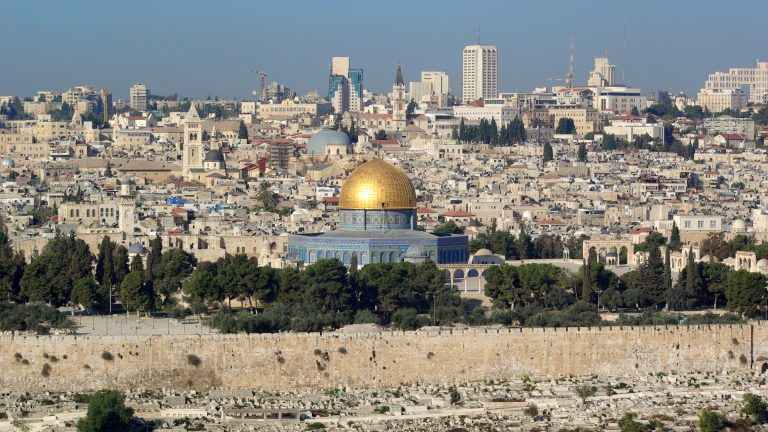 JerusalemCity of David 2027: A Local Guide to Hezekiah’s Tunnel, the Pool of Siloam, Tickets and What to WearRead the guide →
 JerusalemChristian Quarter Jerusalem 2027: A Local Guide to the Holy Sepulchre, the Last Stations of the Cross, Muristan and the Redeemer TowerRead the guide →
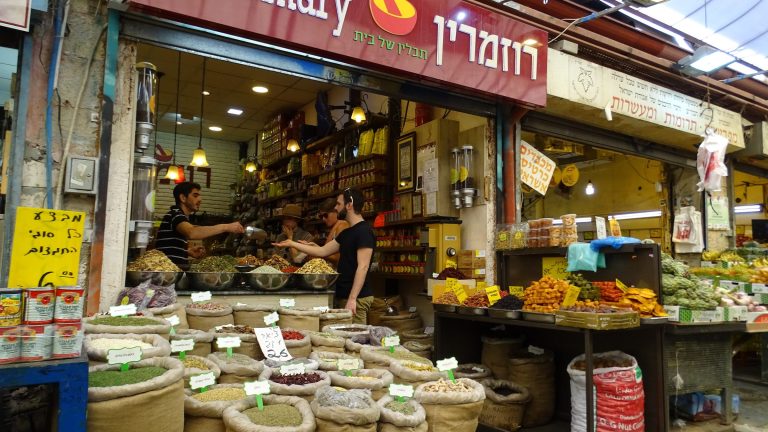 JerusalemShopping in Jerusalem 2027: A Local Guide to Mahane Yehuda, the Old City Souk, Mamilla and the Best SouvenirsRead the guide →
Plan your trip
Now that you know the best time to visit Israel for your style of trip, the next step is picking dates that dodge the holiday price spikes. If you want the whole country without driving or planning it yourself, our 6 day Israel tour is a great place to start. For more ideas, browse our Jerusalem travel hub and the full Booking-Tours travel guide.
Not sure which week works best? Send us your dates on WhatsApp at +972 8-633-8361 (08-6338361 from inside Israel) or email [email protected]. Our local team will check the holiday calendar for you and suggest the tour that fits, just as we do for our guests every week.
Cover photo: Lux Moundi, CC BY-SA 2.0, via Wikimedia Commons